Australian Baby Clothes Brands: A Deep Dive into Preferred Baby Clothes Fabric
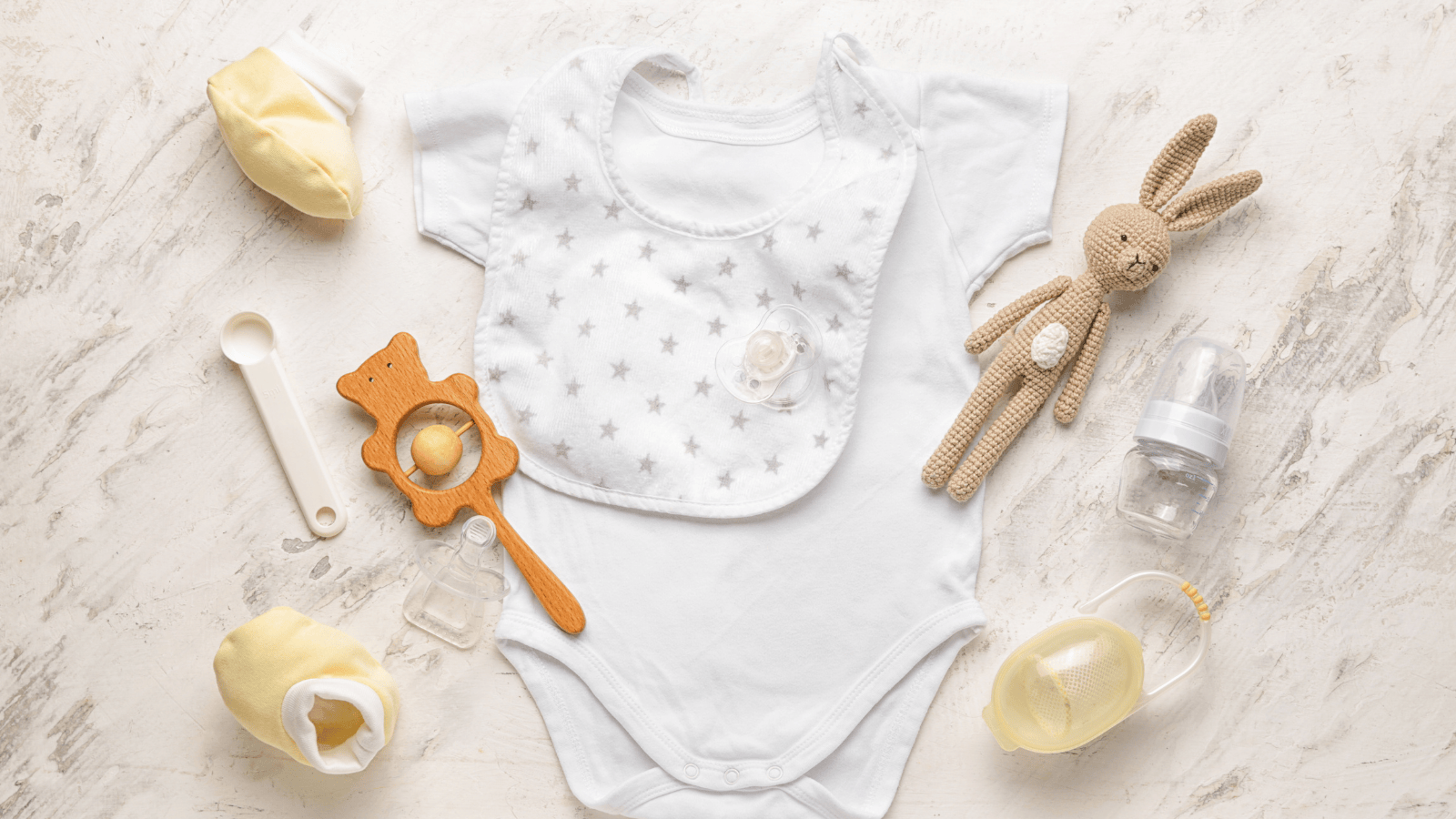
The Dominance of Natural Fibers
Australian baby clothes brands consistently prioritize natural, breathable fabrics that align with the country's varied climate and growing consumer demand for sustainable options. Cotton remains the cornerstone material, celebrated for its superior breathability and gentleness on delicate skin. Its ability to allow air circulation helps prevent overheating—a critical factor in infant safety. Many leading brands have elevated their offerings by incorporating organic cotton, which is grown without toxic pesticides and synthetic fertilizers, ensuring even higher safety standards for sensitive newborn skin.
Another material gaining significant traction is bamboo-based fabric. Prized for its exceptional softness—often described as three times softer than conventional cotton—bamboo fabric offers natural temperature-regulating properties that keep babies cool in warmer weather and comfortably warm in cooler temperatures. This versatile material also possesses inherent hypoallergenic and antimicrobial qualities, making it particularly suitable for infants prone to eczema or skin irritations. The sustainability aspect of bamboo cultivation further enhances its appeal in the environmentally conscious Australian market.
Innovative Fabric Blends and Technical Considerations
Progressive Australian baby clothes brands are increasingly exploring innovative fabric combinations that maximize comfort and functionality. Strategic blends of bamboo, organic cotton, and merino wool create sleepwear that delivers optimal thermal regulation, moisture-wicking properties, and stretch for unrestricted movement. These sophisticated combinations represent a significant advancement in infant sleepwear technology, addressing multiple parent concerns through thoughtful material selection.
For manufacturers targeting the Australian market, several technical considerations prove essential. First, breathability remains paramount, as a baby's inability to properly regulate temperature makes airflow a safety priority. Second, hypoallergenic properties ensure that fabrics don't irritate infants' sensitive skin, with many brands seeking OEKO-TEX 100 certification to verify their materials are free from harmful substances. Third, durability and ease of care factor significantly into purchasing decisions, as baby garments undergo frequent washing at high temperatures.
Aligning with Market Expectations
The focus on specific baby clothing fabric choices among Australian brands reflects deeper consumer values: prioritizing infant safety without compromising on comfort or environmental responsibility. Brands like Babyology have built their reputation on using organic and eco-friendly materials that meet these dual expectations.
For industry partners looking to enter or expand within the Australian baby sleepwear market, aligning product development with these material preferences represents a strategic advantage. The emphasis on natural, sustainable, and technically advanced fabrics in the Australian landscape indicates a mature market where quality and safety standards directly influence purchasing decisions across the supply chain. By understanding these preferences, manufacturers can better position their offerings to meet the expectations of both retailers and discerning parents.


The Australian approach to baby clothes fabric selection demonstrates how material innovation can drive market differentiation while addressing genuine consumer needs. For industry professionals, these insights offer valuable direction for product development and market positioning strategies in the competitive infant sleepwear category.
Understanding Baby Clothes Fabric Choices in Russia's Leading Sleepwear Brands
Comfort & Care: Analyzing Baby Clothes Fabric in America's Leading Brands
Related Article