
Understanding Baby Clothes Fabric Choices in Russia's Leading Sleepwear Brands
author: Vivian
2025-12-08
Russia's market for baby sleepwear reflects a unique blend of climate adaptability, cultural preferences, and a growing emphasis on safety and sustainability. For industry partners collaborating with Russian baby clothes brands, understanding the nuances of baby clothes fabric selection offers critical insights into product development and market alignment. From cozy fleece for harsh winters to breathable organic cotton for year-round comfort, Russian brands prioritize materials that ensure warmth, safety, and gentle contact with infants' sensitive skin.
1. Primary Baby Clothes Fabrics in the Russian Market
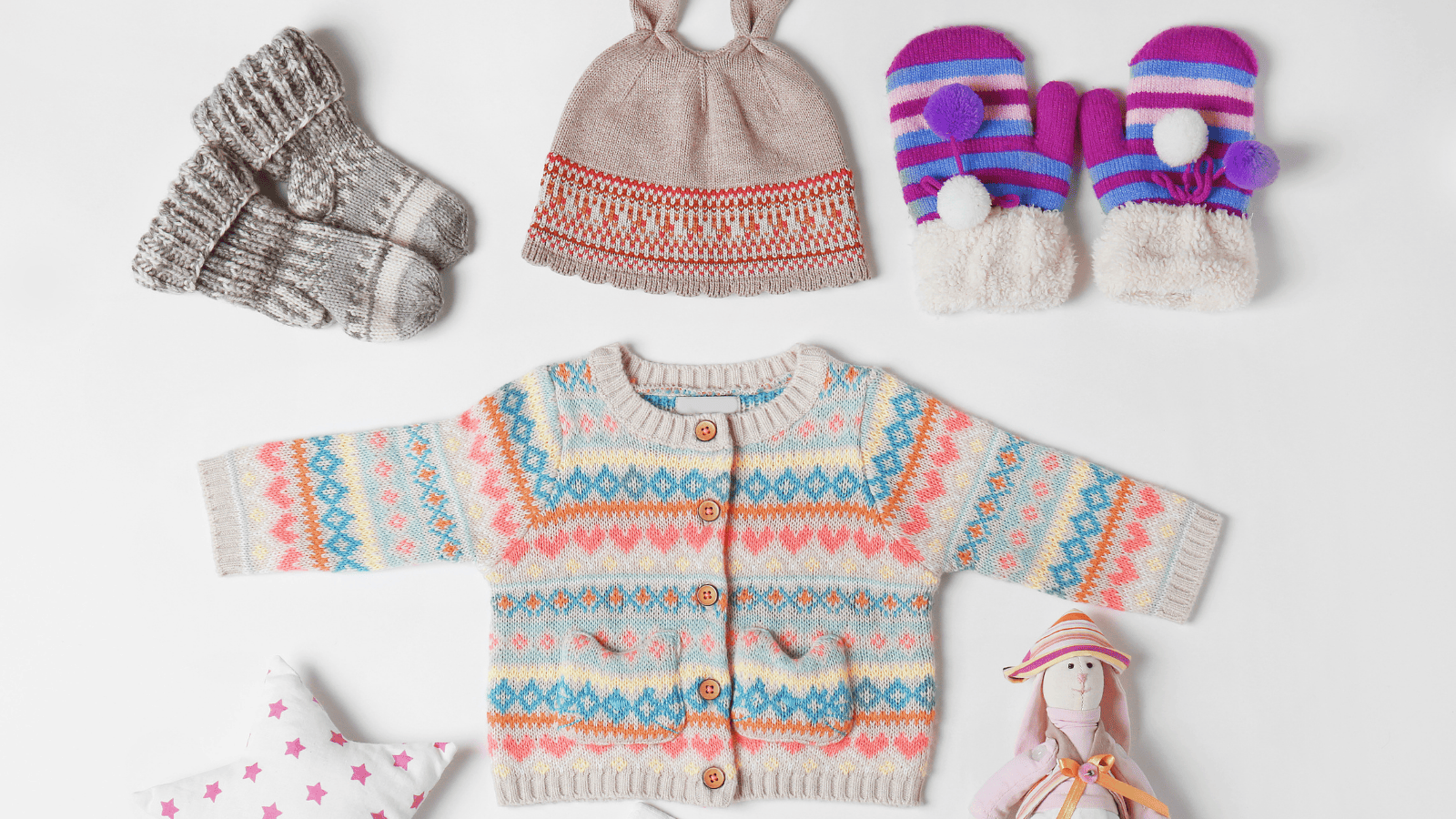
Russian parents and brands prioritize natural, thermo-regulating materials to address the country's extreme seasonal variations. Organic cotton is a staple for its hypoallergenic properties and breathability, widely used by brands like Kotmarkot and Free Age for everyday sleepwear. For colder months, flannel (brushed cotton) and fleece are dominant in collections from brands such as Crockid and POLLO, providing insulation during sub-zero temperatures while remaining soft against delicate skin.
Eco-friendly options like bamboo-blended fabrics are gaining traction for their moisture-wicking capabilities and sustainability. Brands like Goldy incorporate bamboo-cotton blends to cater to environmentally conscious consumers, while double gauze cotton appears in premium lines for its lightweight, breathable qualities ideal for summer. Additionally, jersey knit cotton is favored for its stretchability and durability, often seen in brands like Lucky Child for snug-fitting yet comfortable sleepsuits.
2. Leading Russian Baby Clothes Brands and Their Material Innovations
• Kotmarkot: This brand emphasizes GOTS-certified organic cotton in its sleepwear, focusing on chemical-free materials for infants with sensitivities. Their designs often incorporate reinforced seams and two-way zippers for practicality.
• Crockid: As a veteran in the market, Crockid utilizes its proprietary knitted fabrics, blending cotton with minimal elastane for flexibility. Their winter collections feature brushed cotton or fleece to ensure warmth without bulk.
• POLLO: Known for premium occasion wear, POLLO uses high-quality Turkish cotton and bamboo blends, emphasizing OEKO-TEX certification for safety. Their attention to detail includes fold-over mittens and tagless labels to prevent irritation.
• Funny Baby: This brand focuses on vibrant, playful designs using Turkish-sourced cotton and polyester blends for durability. Their fabrics are pre-washed to minimize shrinkage and maintain softness after repeated laundering.
3. Safety, Certifications, and Cultural Influences
Russian baby clothes brands increasingly prioritize international safety standards. Certifications like GOTS and OEKO-TEX® are prominently highlighted to reassure parents about material purity. For instance, Soni Kids uses OEKO-TEX-certified fabrics in its bassinet and stroller sets, extending this commitment to sleepwear.
Designs often incorporate traditional motifs inspired by Russian folklore, with vibrant colors like reds and blues reflecting cultural heritage. Brands like Topolino and Naomi integrate ethnic patterns into their sleepwear, appealing to parents seeking a blend of nostalgia and functionality.
4. Practical Insights for Industry Partners
• Emphasize Climate Adaptability: Russian brands value versatile baby clothes fabric options, such as all-season bamboo blends or winter-specific flannel. Offering adaptable material portfolios can help partners meet diverse regional needs.
• Certifications as a Priority: Suppliers should prioritize GOTS or OEKO-TEX certifications to align with the market's demand for transparency, particularly for sleepwear targeting infants aged 0–24 months.
• Cultural Resonance: Incorporating subtle traditional elements into designs—such as classic patterns or color palettes—can enhance the appeal of Russian baby clothes brands both domestically and internationally.
5. Conclusion
Russia's baby sleepwear sector thrives by merging functional fabrics with cultural authenticity. For manufacturers and suppliers, aligning with these preferences—whether through thermo-regulating bamboo blends, certified organic cotton, or climate-appropriate fleece—can foster successful collaborations with Russian baby clothes brands. By prioritizing safety, sustainability, and cultural resonance, industry partners can contribute to a market where comfort and tradition go hand in hand.
For partners interested in sourcing or developing baby clothes fabric aligned with Russian trends, we offer end-to-end support from material selection to production. Connect with us to explore tailored solutions.
How to Select and Verify an OEKO-TEX Certified Clothing Manufacturer for Quality Apparel
Australian Baby Clothes Brands: A Deep Dive into Preferred Baby Clothes Fabric
Related Article

This guide details how to select and verify OEKO-TEX certified clothing manufacturers, ensuring safe, sustainable apparel production for your business.
How to Select and Verify an OEKO-TEX Certified Clothing Manufacturer for Quality Apparel
This analysis explores the preferred baby clothes fabric, like organic cotton and bamboo, used by leading Australian baby clothes brands, offering insights for industry partners.
Australian Baby Clothes Brands: A Deep Dive into Preferred Baby Clothes Fabric

Discover the key baby clothes fabric trends favored by leading American baby clothes brands. This analysis covers materials like GOTS-certified organic cotton and bamboo, brand case studies including Burt’s Bees Baby and Carter’s, and insights for industry alignment.
Comfort & Care: Analyzing Baby Clothes Fabric in America's Leading Brands

Explore the unique pajamas fabric choices of leading Russia pajamas brands. This analysis reveals how material selection, from cozy flannel to eco-friendly bamboo, caters to the climate and drives market positioning for industry partners
The Fabric of Success: What Russia Pajamas Brands Reveal About Material Preferences