
How to choose baby clothes that meet environmental standards and non-hazardous substances?
author: Lareina
2024-07-23
As eco-conscious parents, we want to ensure that our babies' clothes are safe and environmentally friendly. Selecting baby clothes that uphold environmental standards and are not harmful to our little ones is crucial for both our baby's health and the planet. Here are some tips on how to choose environmentally friendly baby clothes that are made from sustainable materials such as bamboo fiber and organic cotton.
1. Look for Sustainable Materials
Bamboo fiber and organic cotton are fantastic choices for eco-friendly baby clothing. They are sustainable, biodegradable, and require fewer pesticides and herbicides in production, making them ideal choices for environmentally conscious parents. When baby clothing is made from sustainable materials, they prevent harmful substances from seeping into the environment and your baby, guaranteeing your baby's safety and the planet's well-being.
Bamboo fiber and organic cotton are fantastic choices for eco-friendly baby clothing. They are sustainable, biodegradable, and require fewer pesticides and herbicides in production, making them ideal choices for environmentally conscious parents. When baby clothing is made from sustainable materials, they prevent harmful substances from seeping into the environment and your baby, guaranteeing your baby's safety and the planet's well-being.
2. Choose Clothes with Certifications
Ensure that baby clothes you purchase comply with global environmental standards such as OEKO-TEX® or Global Organic Textile Standard (GOTS). These certifications ensure that clothing is free from harmful substances like chemical dyes, formaldehyde, phthalates, lead, or other hazardous materials, that can cause harm to your baby’s health.
3. Consider Second-Hand Clothing
Consider purchasing second-hand baby clothing, which often comes in great condition and cost-effective. It contributes to a circular economy that is eco-friendly while saving pennies. Many websites offer gently used baby clothes that are affordable and environmentally friendly.
Consider purchasing second-hand baby clothing, which often comes in great condition and cost-effective. It contributes to a circular economy that is eco-friendly while saving pennies. Many websites offer gently used baby clothes that are affordable and environmentally friendly.
4. Use Eco-Friendly Laundry Products
Eco-friendly laundry products like biodegradable soap, baking soda, and essential oils are suitable for maintaining sustainability while washing baby clothing. Using these eco-friendly products will not cause chemicals to seep into the waterways hence reduce your carbon footprint and contribute to environmental conservation.
5. Say No to Excessive Packaging
While shopping for baby clothes, choose clothes that come in minimal packaging or recyclable packaging. Excessive packaging buildup is harmful to the environment and contributes to environmental degradation. Avoiding over packaged clothes will reduce the environmental waste while conserving the environment.
In conclusion, selecting eco-friendly baby clothing helps conserve the environment and improve your baby's health. When purchasing baby clothes, choose clothes made from natural, sustainable materials like bamboo or organic cotton. Look for certifications such as GOTS and OEKO-TEX® to ensure that the clothes are free from harmful substances, choose second-hand clothes, use eco-friendly laundry products, and avoid excessive packaging to benefit the environment. By following these tips, we can provide our babies with environmentally friendly and safe clothing, promoting a sustainable eco-friendly future.If you are still confused about how to choose clothes, it is recommended that you choose the OKids brand, because we provide you with safer, more comfortable, and higher-quality clothing, so that you can wear your clothes comfortably and with peace of mind.
Why Sleepwear is an Essential Item for Rest and Relaxation?
Baby clothes maintenance methods, how to avoid wear and fading clothes?
Related Article

This guide details how to select and verify OEKO-TEX certified clothing manufacturers, ensuring safe, sustainable apparel production for your business.
How to Select and Verify an OEKO-TEX Certified Clothing Manufacturer for Quality Apparel

Discover the key baby clothes fabric trends favored by leading Russian baby clothes brands like Kotmarkot and Crockid. This analysis covers materials like GOTS-certified cotton and OEKO-TEX standards for industry alignment.
Understanding Baby Clothes Fabric Choices in Russia's Leading Sleepwear Brands
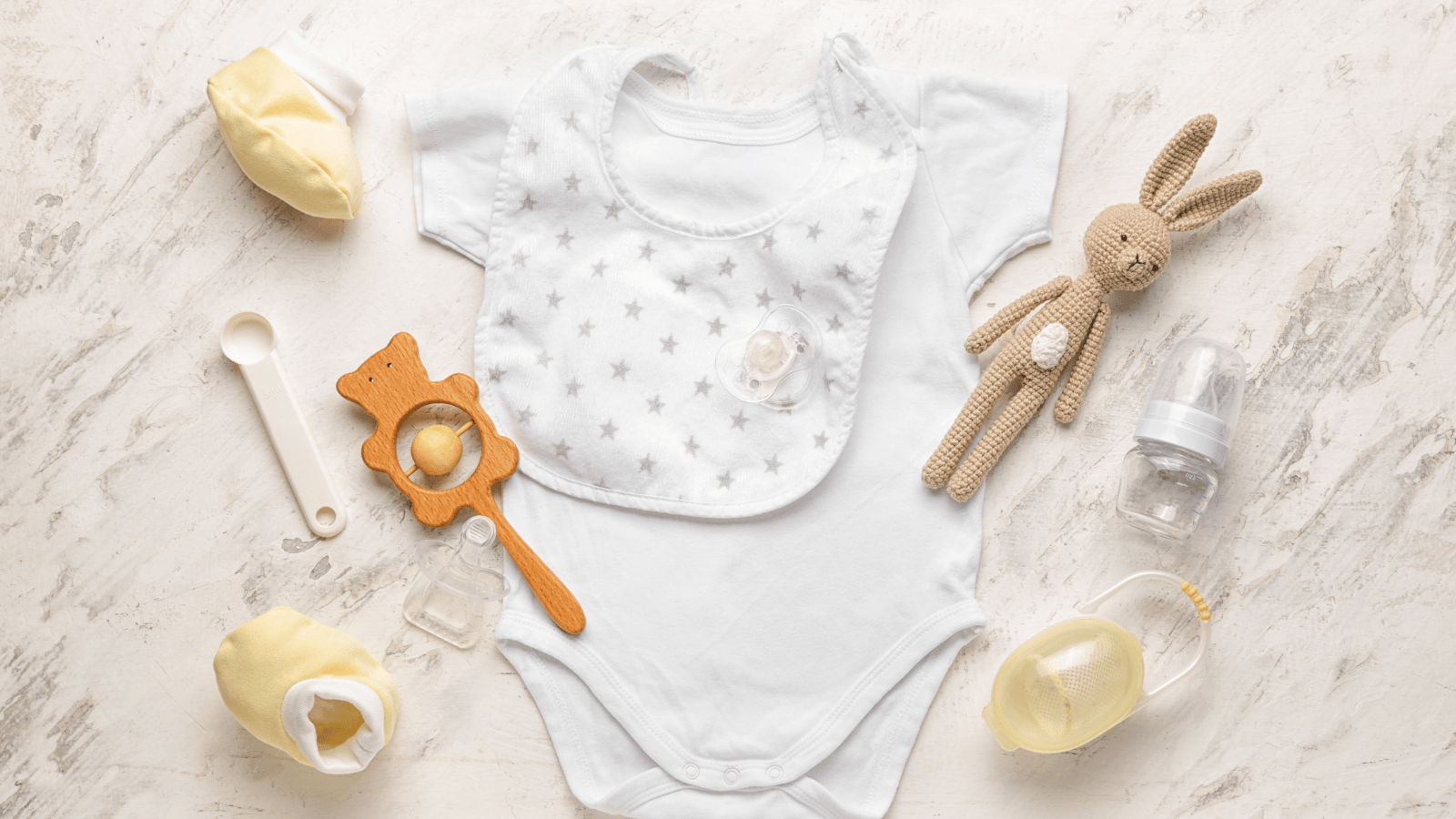
This analysis explores the preferred baby clothes fabric, like organic cotton and bamboo, used by leading Australian baby clothes brands, offering insights for industry partners.
Australian Baby Clothes Brands: A Deep Dive into Preferred Baby Clothes Fabric
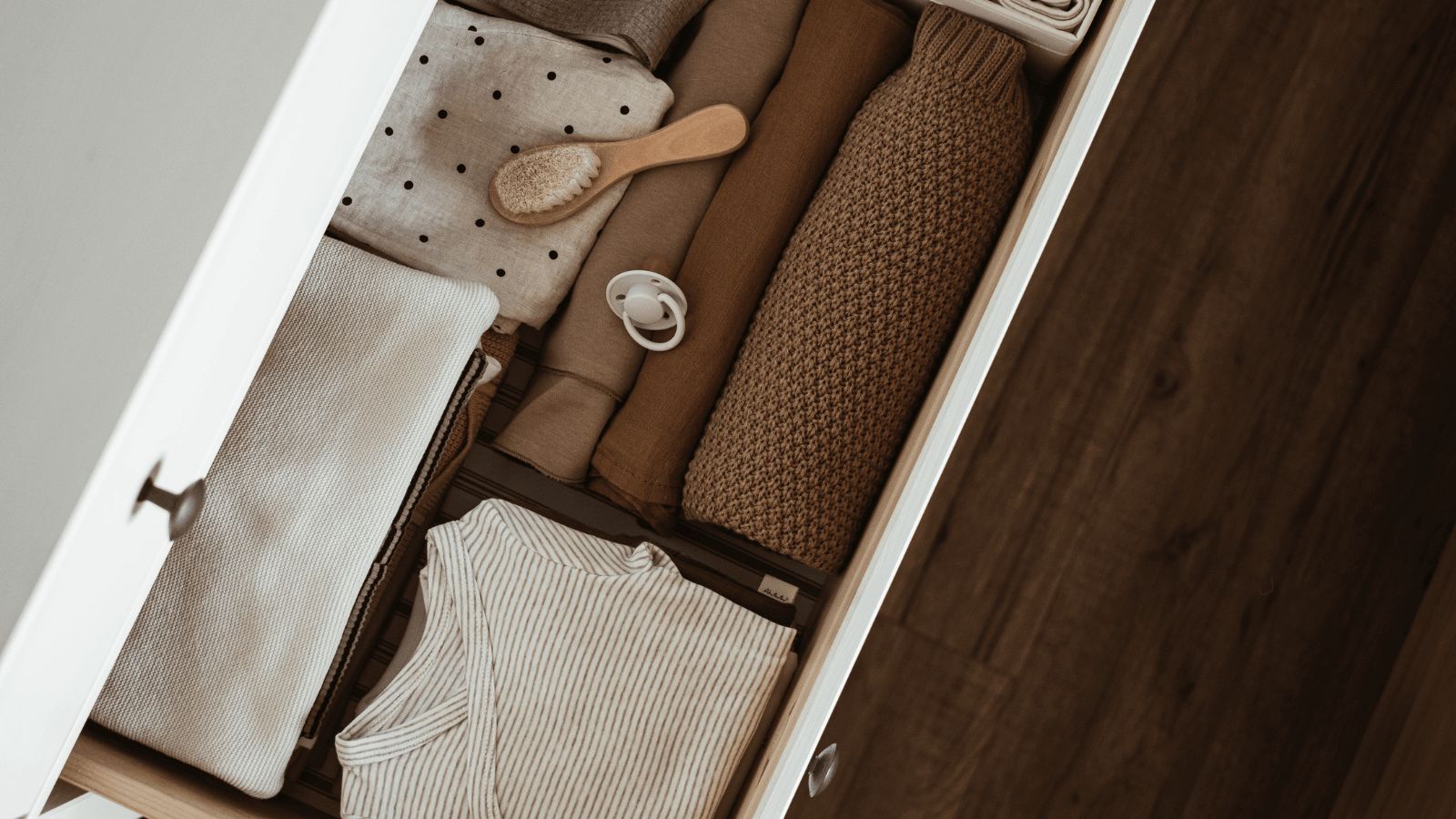
Discover the key baby clothes fabric trends favored by leading American baby clothes brands. This analysis covers materials like GOTS-certified organic cotton and bamboo, brand case studies including Burt’s Bees Baby and Carter’s, and insights for industry alignment.
Comfort & Care: Analyzing Baby Clothes Fabric in America's Leading Brands