Sleepwear Styles for Different Age Groups: A Guide to Comfort and Style
Sleepwear is more than just a piece of clothing—it is a reflection of personal style, comfort, and developmental needs. As children grow and adults age, their sleepwear choices evolve to reflect their changing lifestyles, preferences, and practical requirements. This article explores the sleepwear styles for children and adults across different age groups, highlighting the design, materials, and cultural influences that shape these choices.
1. Children's Sleepwear: Fun and Comfort
For young children, sleepwear is often designed with playful and colorful elements to engage their imagination and provide a sense of security. The styles vary significantly depending on the child's age and developmental stage.
Infants (0–1 years):
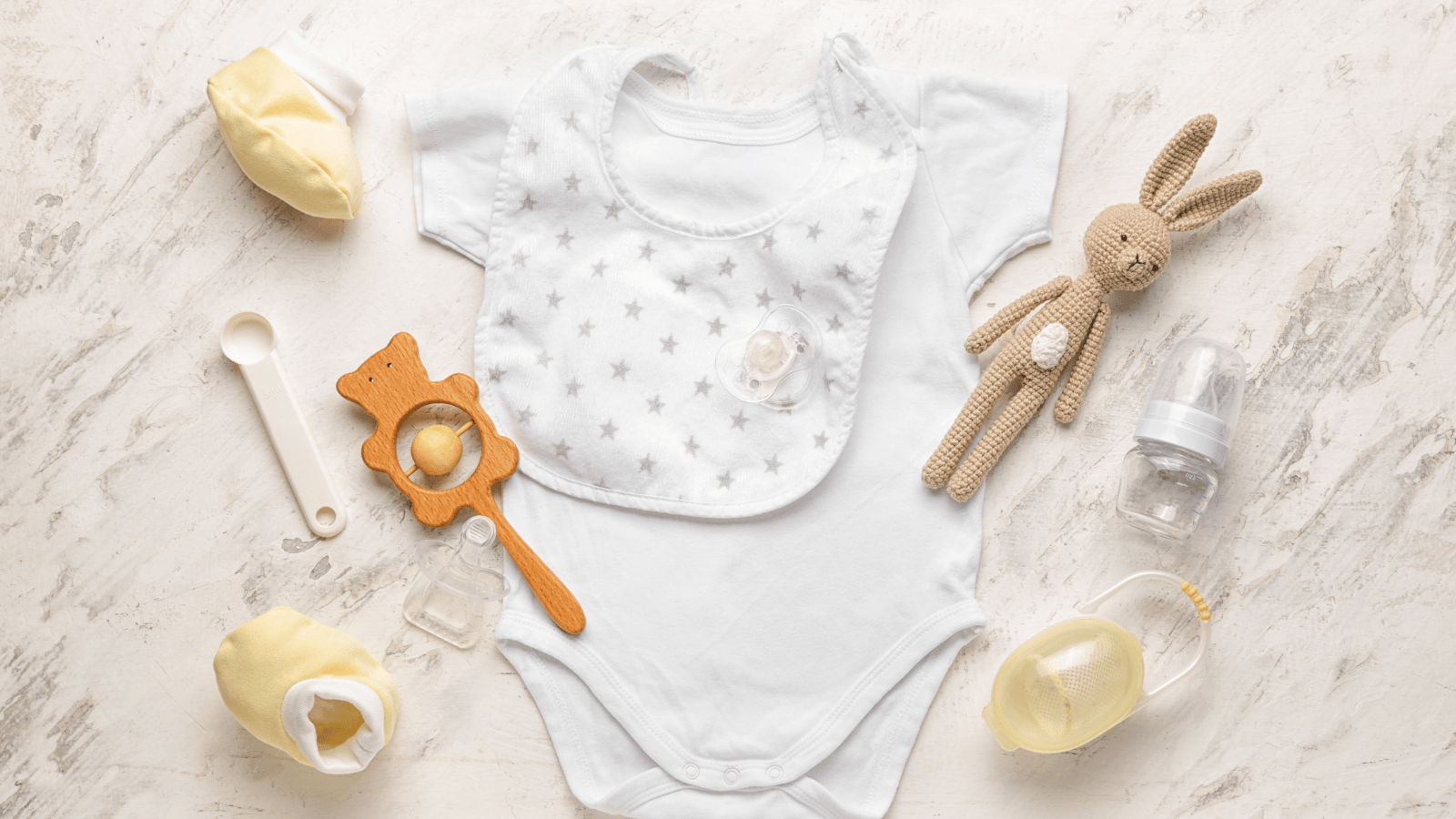
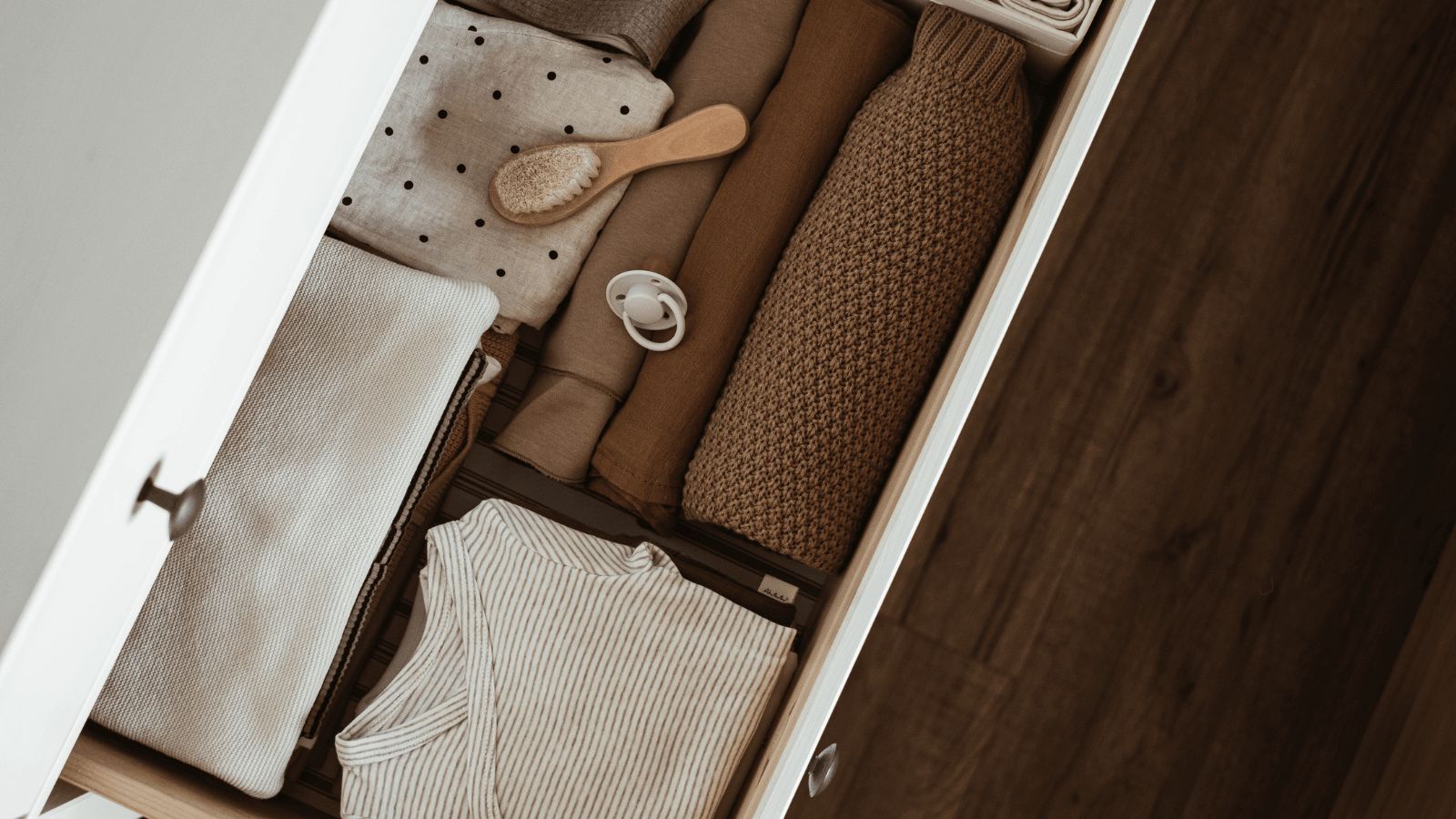
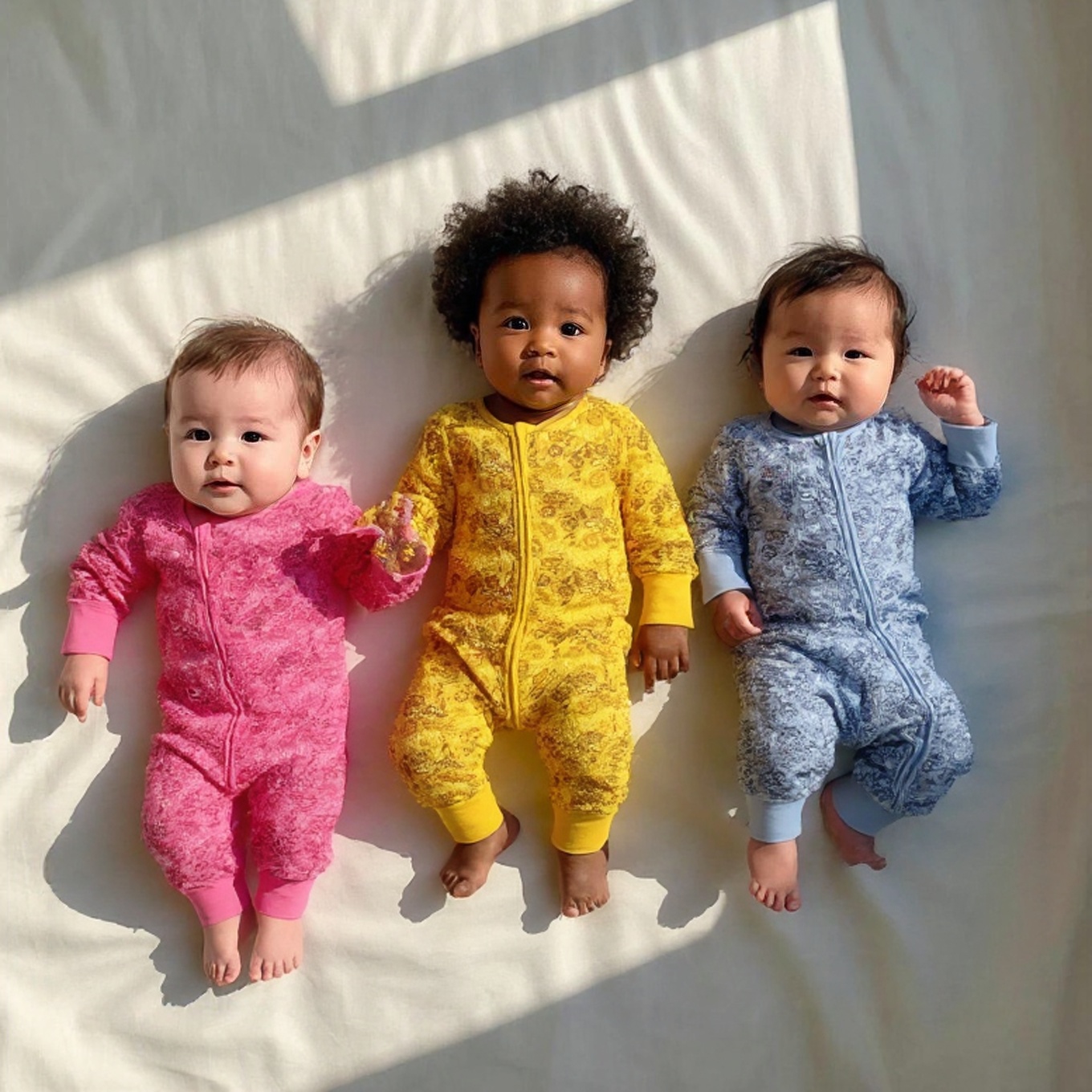
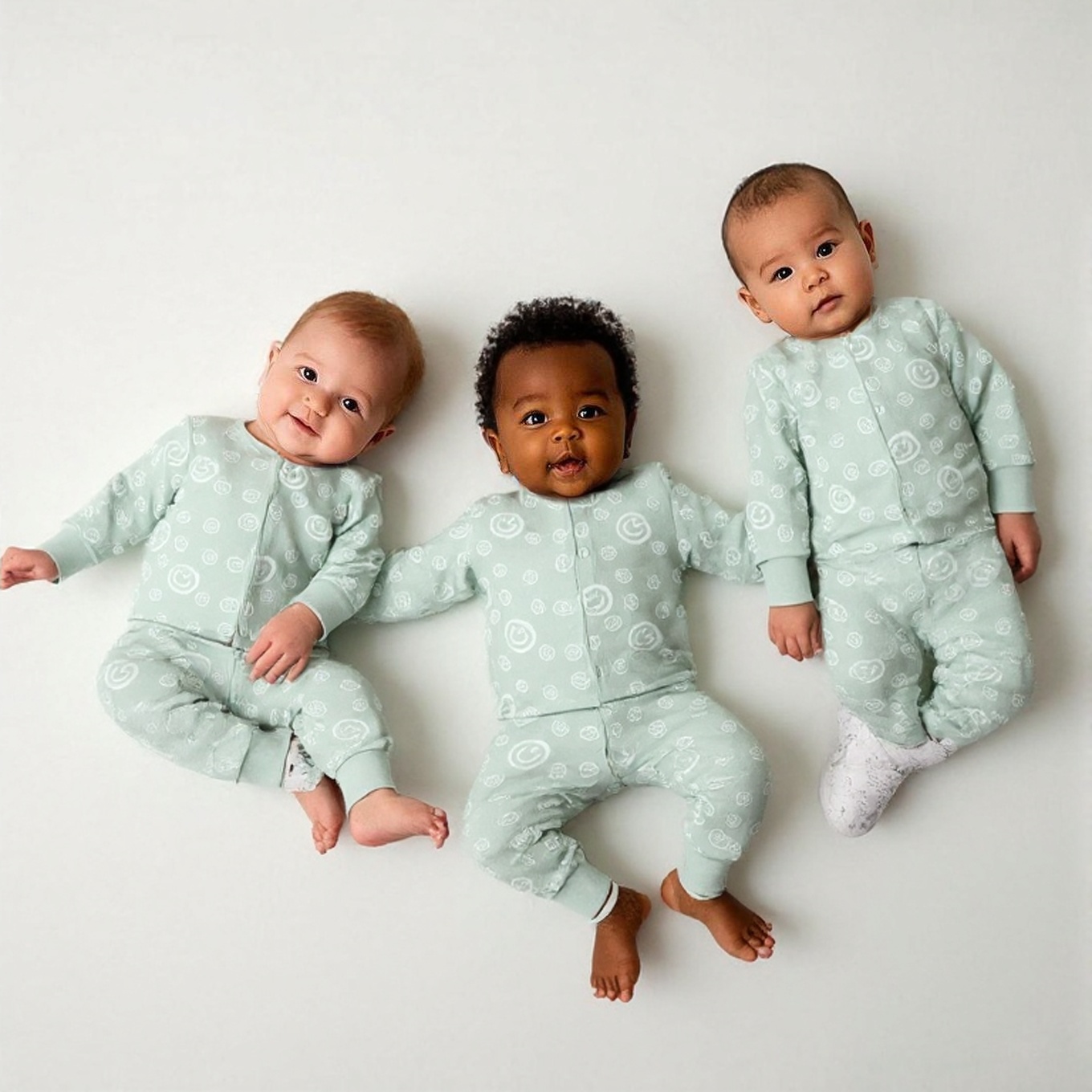
Infants require soft, breathable, and easy-to-dress sleepwear. Materials like pure cotton and modal are commonly used to ensure comfort and skin-friendly properties. The designs are typically simple and unisex, with minimal patterns to avoid overwhelming the child.
Toddlers (1–3 years):
Toddlers begin to explore more colorful and patterned sleepwear, often featuring cartoon characters, animals, or bright colors. These designs are meant to be engaging and stimulating, while still maintaining a level of comfort and ease of dressing.
Preschoolers (3–5 years):
At this stage, children start to show more individuality in their sleepwear choices. They may prefer themed outfits, such as dinosaur or princess styles, or opt for more practical designs that are easy to wear and move in.
School-Age Children (5–7 years):
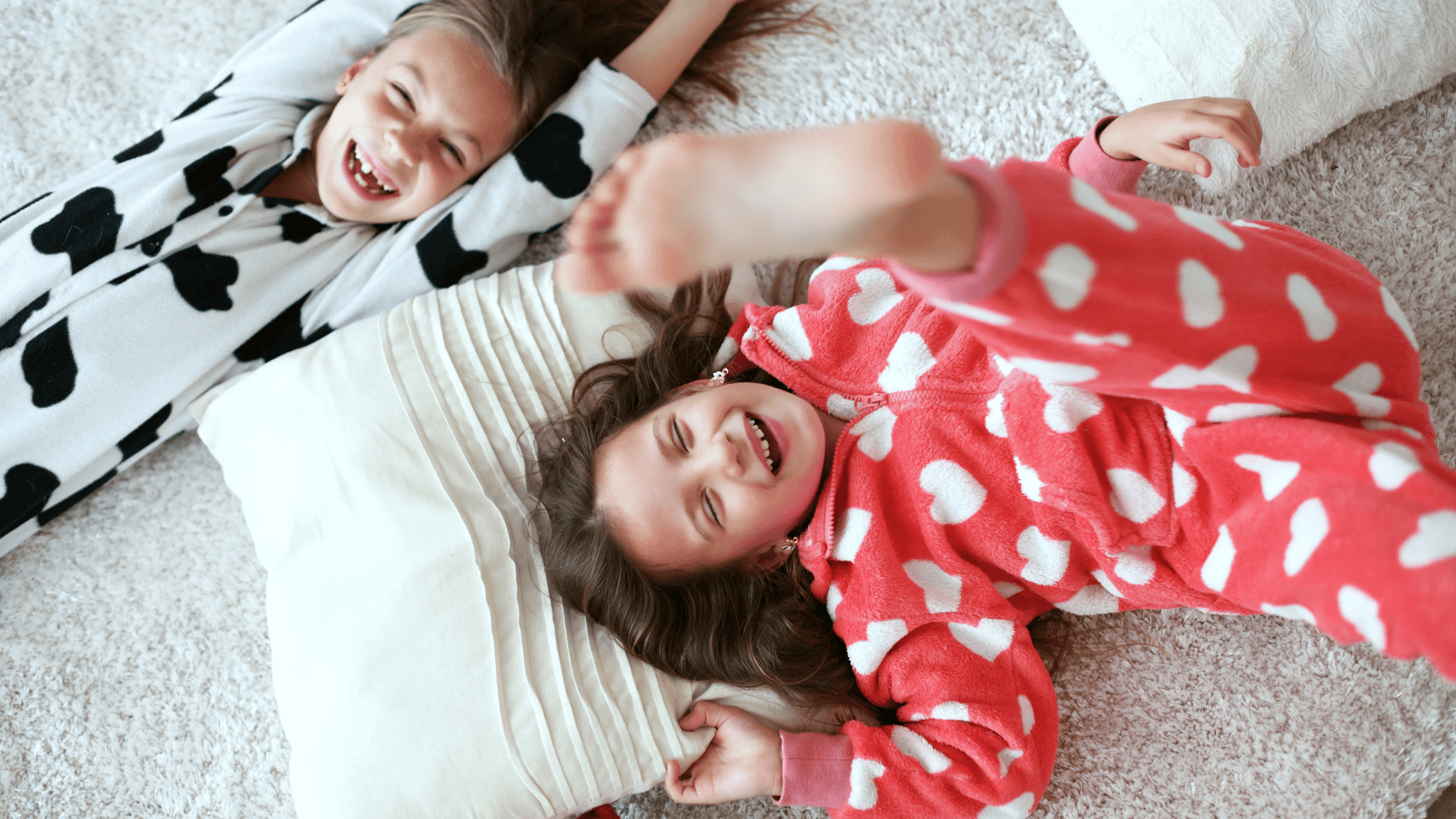
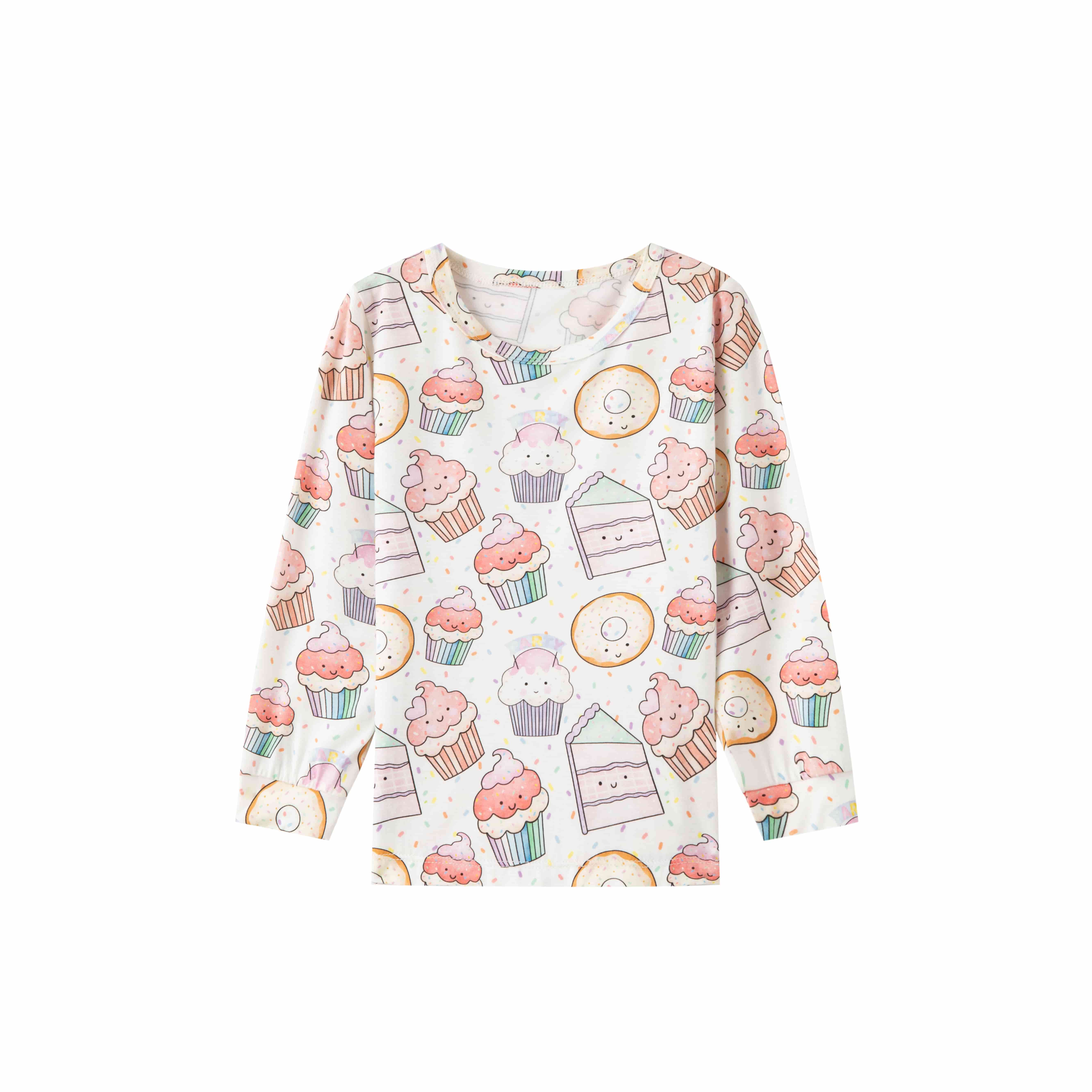
By this age, children are more aware of fashion and may begin to choose sleepwear that reflects their interests. Popular styles include cartoon-themed pajamas, flannel pajamas, and onesies with fun prints. These items are often designed to be both comfortable and stylish.

2. Teenage Sleepwear: Fashion and Identity
As children transition into adolescence, their sleepwear choices become more influenced by peer culture and personal identity. Teenagers often seek sleepwear that balances comfort with a sense of style.
Early Adolescents (12–14 years):
At this stage, teenagers may prefer more mature and functional sleepwear. Styles such as short-sleeve pajama sets, boxers, or lounge pants are common. The colors and patterns tend to be more subdued, reflecting a growing awareness of fashion and personal expression.
Late Adolescents (15–17 years):
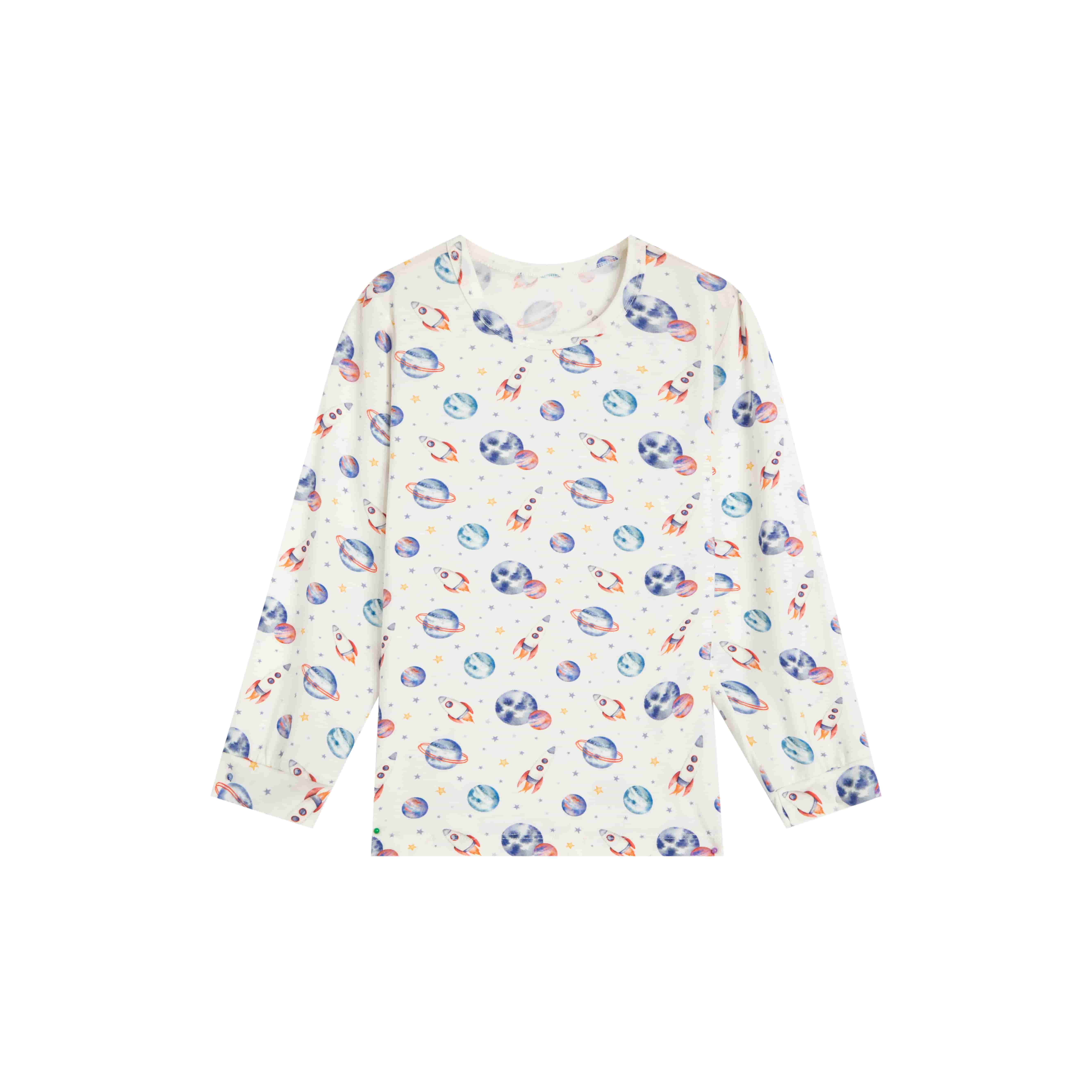
Teenagers in this age group often experiment with different styles, including oversized hoodies, graphic tees, and layered outfits. The materials may include more durable fabrics, and the designs may incorporate current trends or personal preferences.
3. Adult Sleepwear: Maturity and Comfort
Adult sleepwear is typically more subdued and practical, focusing on comfort and elegance. The styles and materials reflect the wearer's lifestyle and personal taste.
Young Adults (18–30 years):
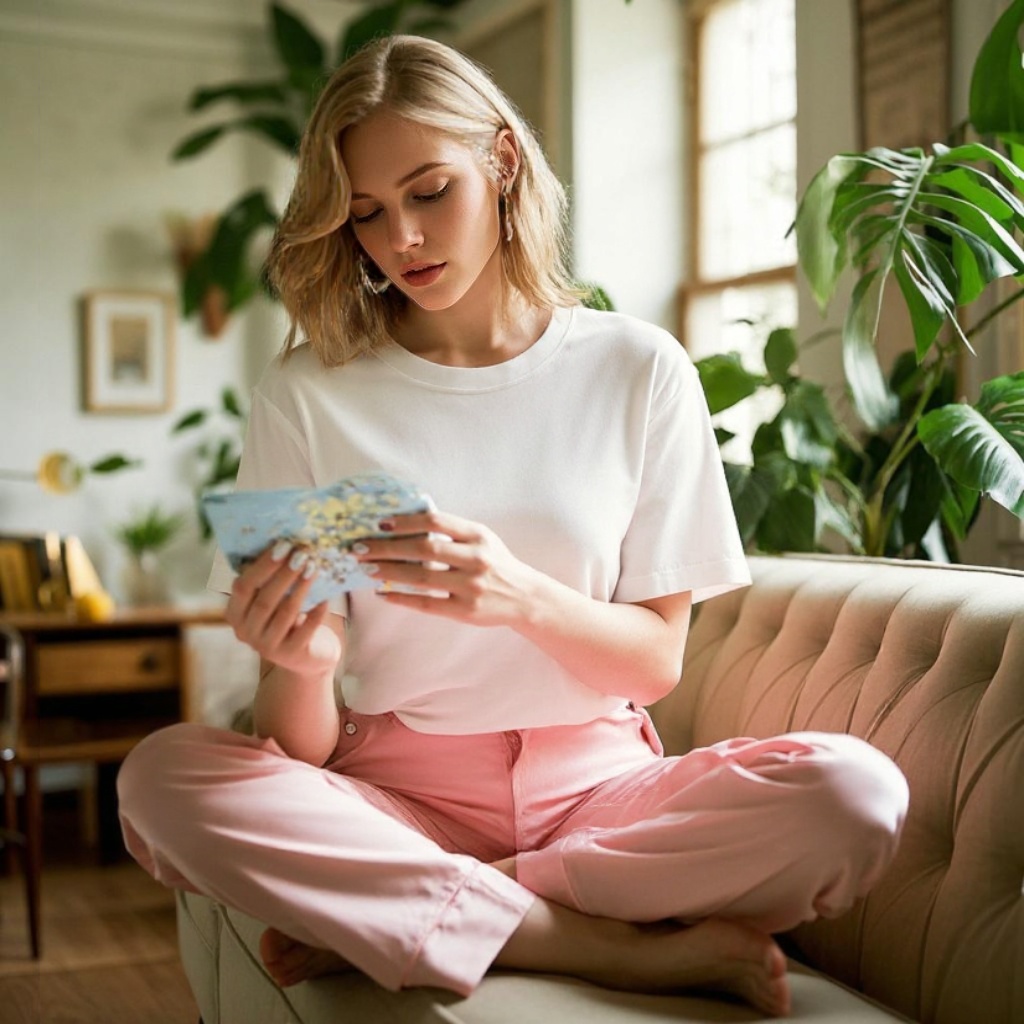
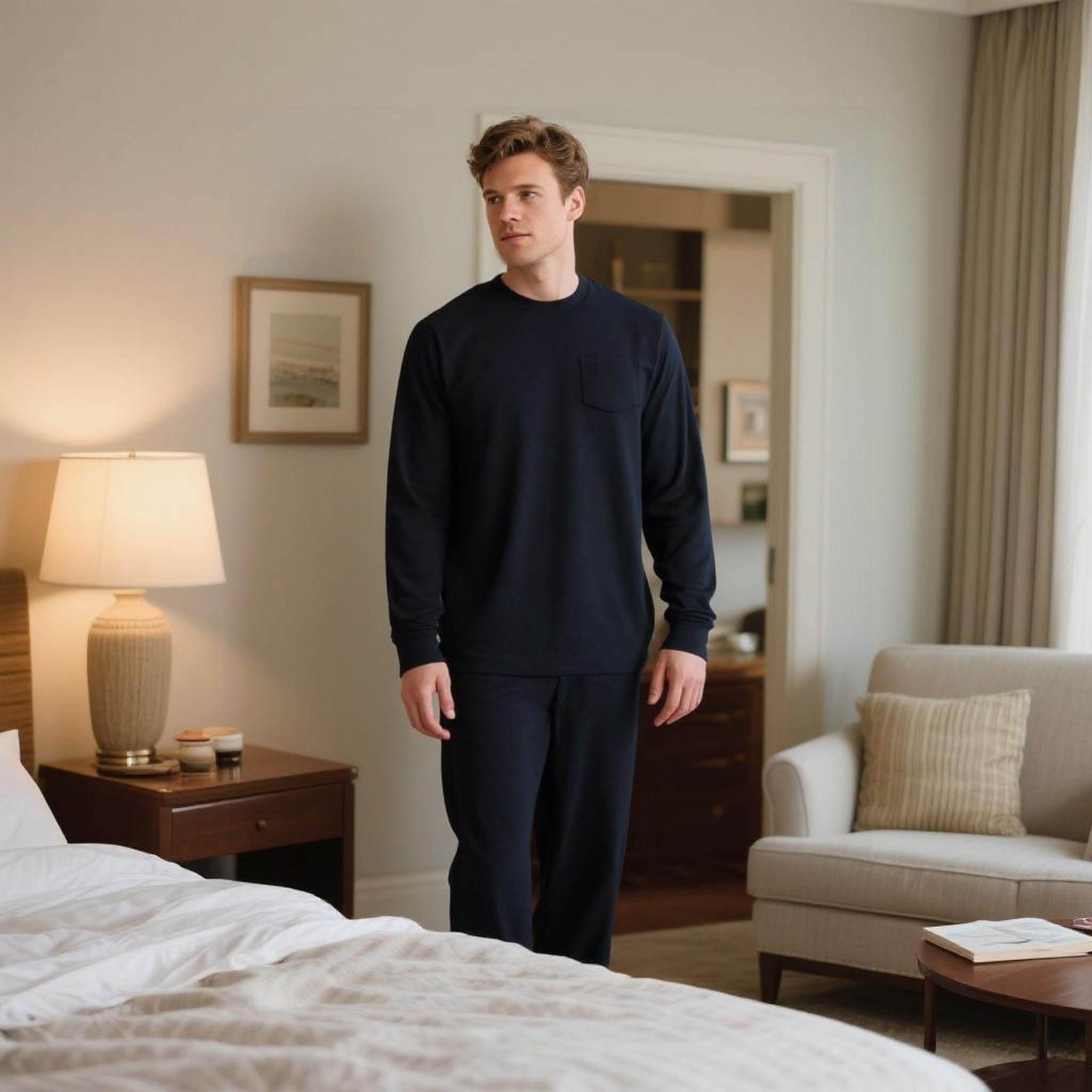
This group often prefers minimalist and elegant sleepwear, such as silk pajamas, cotton flannel sets, or sheer robes. The designs are usually simple and timeless, with a focus on comfort and quality.
Middle-Aged Adults (30–50 years):
Adults in this age range may prefer sleepwear that is both functional and stylish. They may opt for sleepwear with decorative elements, such as lace, embroidery, or subtle patterns. The materials are often high-quality, ensuring both comfort and durability.
Seniors (50+ years):
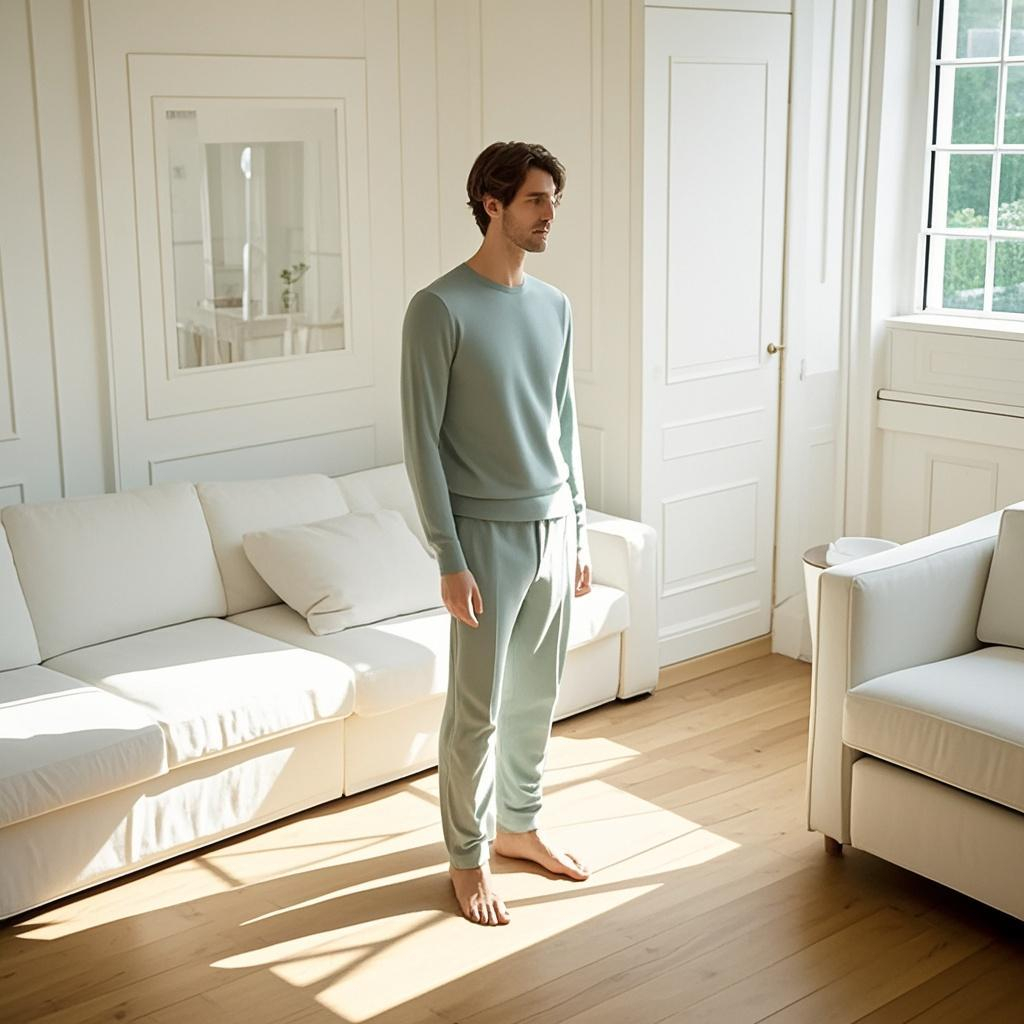
As people age, their sleepwear needs shift toward comfort and support. Materials such as bamboo fiber, organic cotton, or memory foam may be preferred. The designs are often more practical, with a focus on ease of movement and warmth.



4. Cultural and Linguistic Considerations
Sleepwear is not only a matter of personal preference but also a cultural and linguistic issue. For example, in some cultures, sleepwear is considered a private matter, while in others, it is part of a broader social or family tradition. Additionally, the translation of sleep-related terms in children's books and educational materials must be carefully considered to ensure they are appropriate and understandable for young readers .
In English, the term "pajamas" refers to a type of sleepwear, and it can be used in various contexts, such as "put on your pajamas" or "change into your pajamas" . However, in some cases, the translation of sleep-related terms may require adaptation to fit the cultural and linguistic context of the target audience.
5. Safety and Standards
The safety of sleepwear is an important consideration, especially for children. In some countries, such as New Zealand, regulations have been introduced to ensure that children's sleepwear is labeled with clear warnings about fire hazards. For example, sleepwear labeled as "low combustion risk" may still pose a risk if not worn properly, and additional warnings are recommended to reduce the risk of burns .
Conclusion
Sleepwear is a reflection of personal style, comfort, and cultural values. As children grow and adults age, their sleepwear choices evolve to meet their changing needs and preferences. Whether it's the playful designs of a toddler, the fashion-forward styles of a teenager, or the elegant simplicity of adult sleepwear, each choice tells a story about the individual and their lifestyle.
10-Minute Guide to Apparel Printing Techniques and Future Trends
Top 5 Sleepwear Fabrics for Bulk Orders 2025: Cotton/Silk/Bamboo Wholesale Guide
Related Article