Distinguishing Between Bamboo Fiber, Carbon Fiber, and Why Bamboo Fiber Stands Out
There are so many different materials out there, and it can be tricky to know the differences between them, especially when you're trying to choose the best one for your needs. Two of the most talked about fibres are bamboo and carbon, each with their own set of properties and uses. This article is here to demystify these materials and show you why bamboo fibre often comes out on top, particularly when it comes to everyday use and sustainability.
Starting with bamboo fiber, this natural material is derived from the bamboo plant, a fast-growing and renewable resource. Bamboo fiber boasts exceptional breathability and moisture-wicking capabilities, making it highly suitable for clothing, beddings, and other textiles. Its natural softness and hypoallergenic properties make it an ideal choice for sensitive skin, ensuring comfort without compromising on health. Additionally, bamboo fiber is biodegradable and eco-friendly, as it requires little to no pesticides or fertilizers during cultivation and decomposition leaves minimal environmental footprint.

On the other hand, carbon fiber is a synthetic material known for its exceptional strength and lightweight properties. It is primarily used in high-performance applications such as aerospace, automotive, and sports equipment. Carbon fiber's strength-to-weight ratio is unmatched, making it an indispensable material in industries where durability and weight reduction are critical. However, its production process is energy-intensive and involves the use of harsh chemicals, making it less environmentally friendly compared to bamboo fiber.
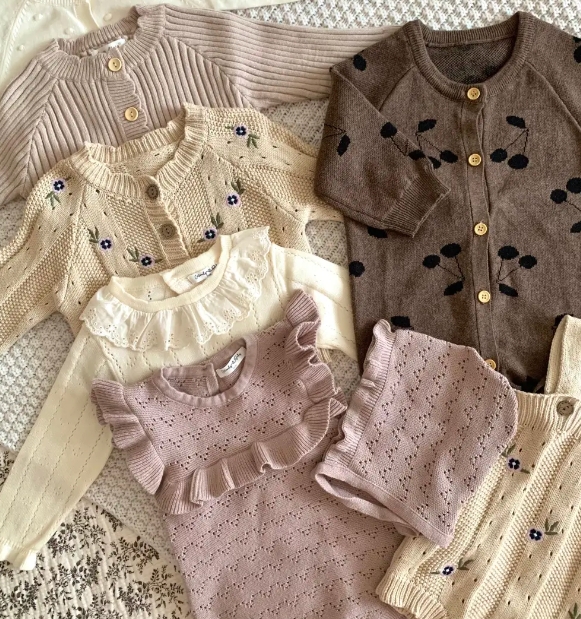
When comparing bamboo fiber and carbon fiber, it's essential to consider the intended application and the values that guide your choices. While carbon fiber excels in high-performance, specialized contexts, bamboo fiber shines in everyday use due to its combination of comfort, sustainability, and affordability. Bamboo fiber's natural properties make it an excellent choice for clothing, particularly baby wear and intimate apparel, where softness, breathability, and hypoallergenic qualities are paramount.

Moreover, bamboo fiber's eco-friendly nature aligns with the growing consumer trend towards sustainability. With concerns about climate change and environmental degradation intensifying, consumers are increasingly seeking out products made from renewable and biodegradable materials. Bamboo fiber ticks all these boxes, making it an attractive option for brands and consumers alike.
In terms of cost, bamboo fiber is generally more affordable than carbon fiber, making it accessible to a broader market. This accessibility, combined with its superior comfort and environmental benefits, positions bamboo fiber as a practical and responsible choice for everyday use.
In conclusion, while both bamboo fiber and carbon fiber have their unique strengths and applications, bamboo fiber stands out as the superior choice for everyday textiles due to its natural comfort, hypoallergenic properties, sustainability, and affordability. As consumers become more conscious of their environmental impact and seek out products that align with their values, bamboo fiber is poised to continue growing in popularity and relevance.
The Wonders of Bamboo Fiber: Revolutionizing Your Bath Experience with Luxurious Towels
The Necessity of Baby Sleep Sacks: Choosing Bamboo Fiber for Ultimate Peace of Mind
Related Article