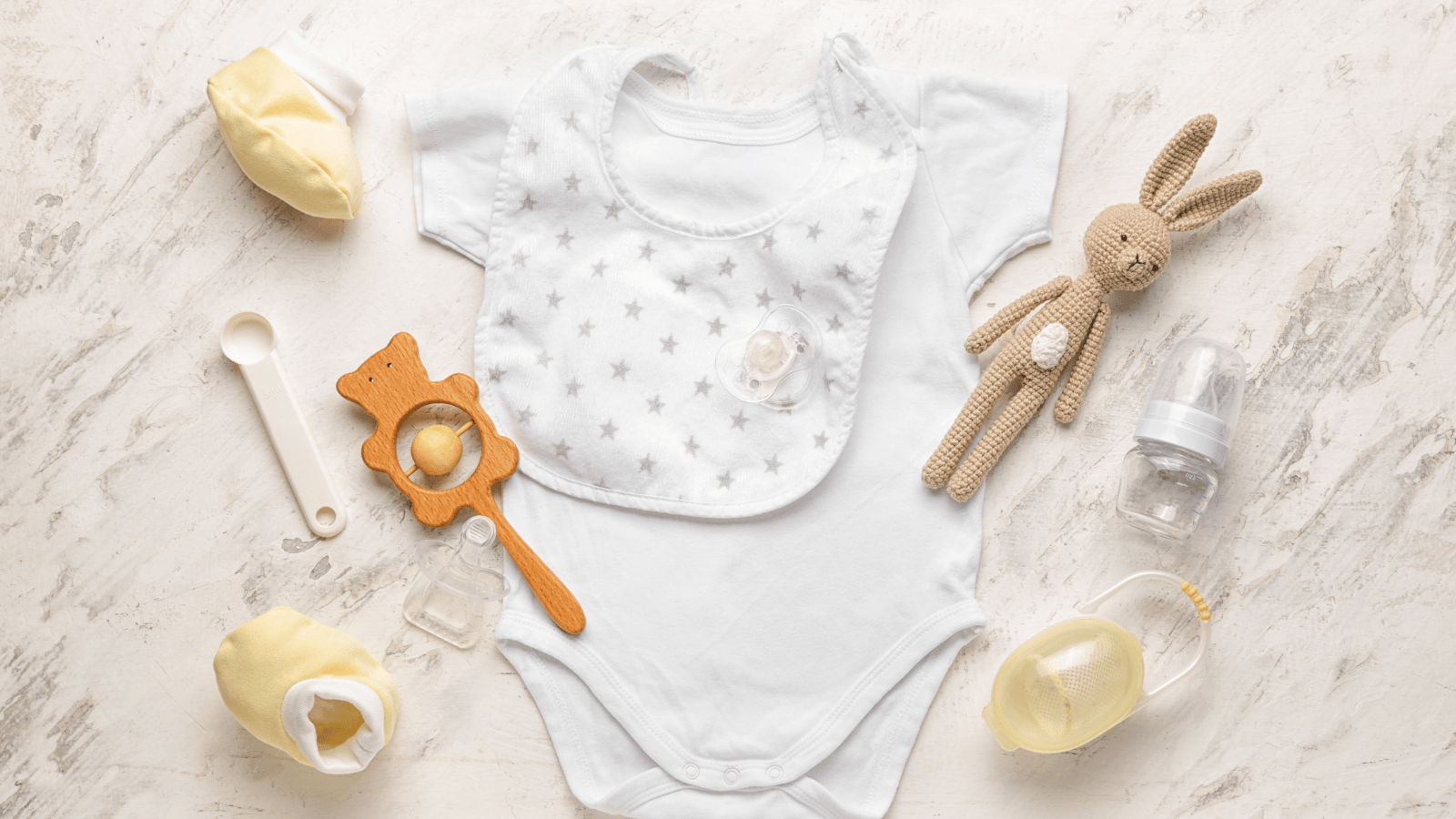
Sustainable, Scalable, Stylish: The Triple Advantage of Blank Apparel
In the highly competitive fashion industry, selecting the right foundational apparel products is a pivotal factor in determining a brand's success. For an integrated manufacturing and trading apparel company, using blank clothing as a product base not only enhances production efficiency but also delivers multiple strategic advantages. This article explores the benefits of blank clothing from diverse perspectives to help you fully grasp its value.
-
Cost-Effectiveness & Higher Profit Margins
Blank clothing is typically sold wholesale, allowing brands to procure bulk quantities at lower prices, thereby reducing upfront investment costs. Volume purchases often qualify for per-unit discounts, further driving down costs and expanding profit margins. For instance, many wholesalers offer a range of basics—from T-shirts and hoodies to caps—catering to diverse customer needs. With lower production costs, brands can reallocate resources to design and marketing, strengthening overall competitiveness.
-
Customization Flexibility & Brand Identity
Blank clothing offers unparalleled freedom for customization. Whether through screen printing, embroidery, heat transfer, or other techniques, brands can add logos, slogans, or unique designs to transform garments into distinctive, branded products. This adaptability suits both commercial uses (e.g., team uniforms, promotional campaigns) and individual consumers seeking personalized expression. Such customization reinforces brand messaging and fosters customer loyalty.
-
Simplified Inventory Management & Reduced Waste
Compared to pre-designed apparel, blank clothing streamlines inventory control. Its uniform designs and neutral colors enable bulk purchasing aligned with demand forecasts, minimizing overstock due to outdated styles or mismatched colors. High inventory turnover also optimizes cash flow—a critical advantage for startups or small brands navigating market uncertainties.

-
Rapid Market Response & Shorter Time-to-Market
Speed is paramount in fashion. Blank clothing's shorter production cycles allow brands to swiftly adapt to trends and consumer preferences. For example, new designs can be prototyped and launched without starting from scratch, saving time and enhancing market relevance. This "fast prototyping" approach is ideal for brands aiming to build quick market traction.
-
Sustainability & Eco-Conscious Appeal
As consumer demand for sustainability grows, many blank clothing suppliers now offer eco-friendly options like organic cotton, bamboo fiber, or recycled materials. Adopting these aligns with modern values, positioning brands as environmentally responsible while attracting sustainability-minded customers—a key market expansion strategy.
-
Local Collaboration & Community Engagement
Blank clothing opens doors to partnerships with local artists and designers. By infusing regional cultural elements into designs, brands can enhance uniqueness and emotional resonance. Such collaborations elevate brand perception while supporting local economies and fostering community ties.

-
Brand Consistency & Quality Assurance
Sourcing blank clothing from a single supplier ensures uniform quality across batches, building trust and repeat purchases. Standardized production also simplifies quality control, reducing returns and complaints—a cornerstone of long-term brand credibility.
-
Versatility for Diverse Applications
Blank clothing suits varied scenarios, from casual wear to sports or professional settings. For example, performance fabrics cater to active lifestyles, while polished basics meet workplace demands. This versatility broadens market reach across customer segments.
-
Risk Mitigation for Startups
For emerging brands, blank clothing minimizes risk. Low procurement costs enable small test batches to gauge market response before scaling production. This "trial-and-error" approach reduces financial strain while informing data-driven decisions.
-
Differentiation & Innovation
In a crowded market, blank clothing fuels creativity. Brands can embed core values into designs through colors, patterns, or narratives, crafting standout products that captivate consumers and carve a unique niche.
-
Conclusion
Blank clothing offers a multifaceted edge in fashion: cost savings, efficiency, brand identity, and adaptability. For integrated manufacturers, it's not just a cost-effective strategy but a catalyst for sustainable growth. By leveraging these advantages, brands can energize their offerings and win enduring consumer loyalty.
The Power of Brand Narratives: Why Your Clothing Brand Needs a "Soul"
From Craftsmanship to Artistry: Principles of Value Leapfrogging in Apparel Luxury Transformation
Related Article