A Comprehensive Guide to Sourcing Quality Baby Sleeping Bags: Key Considerations for Buyers
Selecting the right baby sleeping bag products for inventory requires a keen understanding of safety, functionality, and market trends. Here's a detailed guide to help make informed sourcing decisions while prioritizing quality and compliance.
1. Safety and Compliance: Non-Negotiable Standards
Buyers must ensure that all sleeping bag products comply with stringent safety regulations. Key certifications include:
• GB 31701 (China's Infant Textile Safety Standard): Products must be labeled as "Infant Items" and classified as "Class A" for safety.
• Attachment Safety: Avoid designs with loose strings, buttons, or hazardous decorations. Neck and head areas should never include ropes or cords to prevent choking risks.
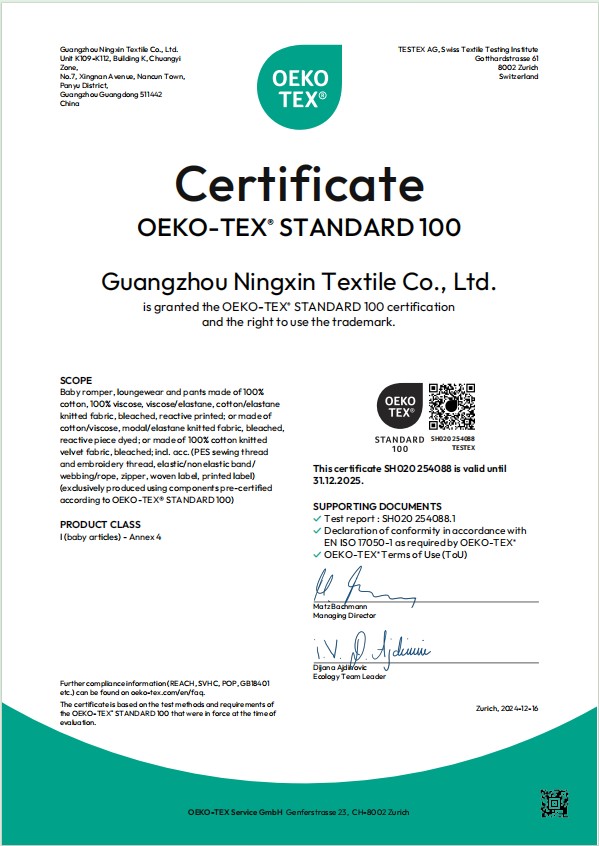
• Material Safety: Prioritize OEKO-TEX® certified fabrics to guarantee hypoallergenic and chemical-free materials.
2. Functional Design for Practical Use
Clients value designs that enhance usability and longevity. Focus on:
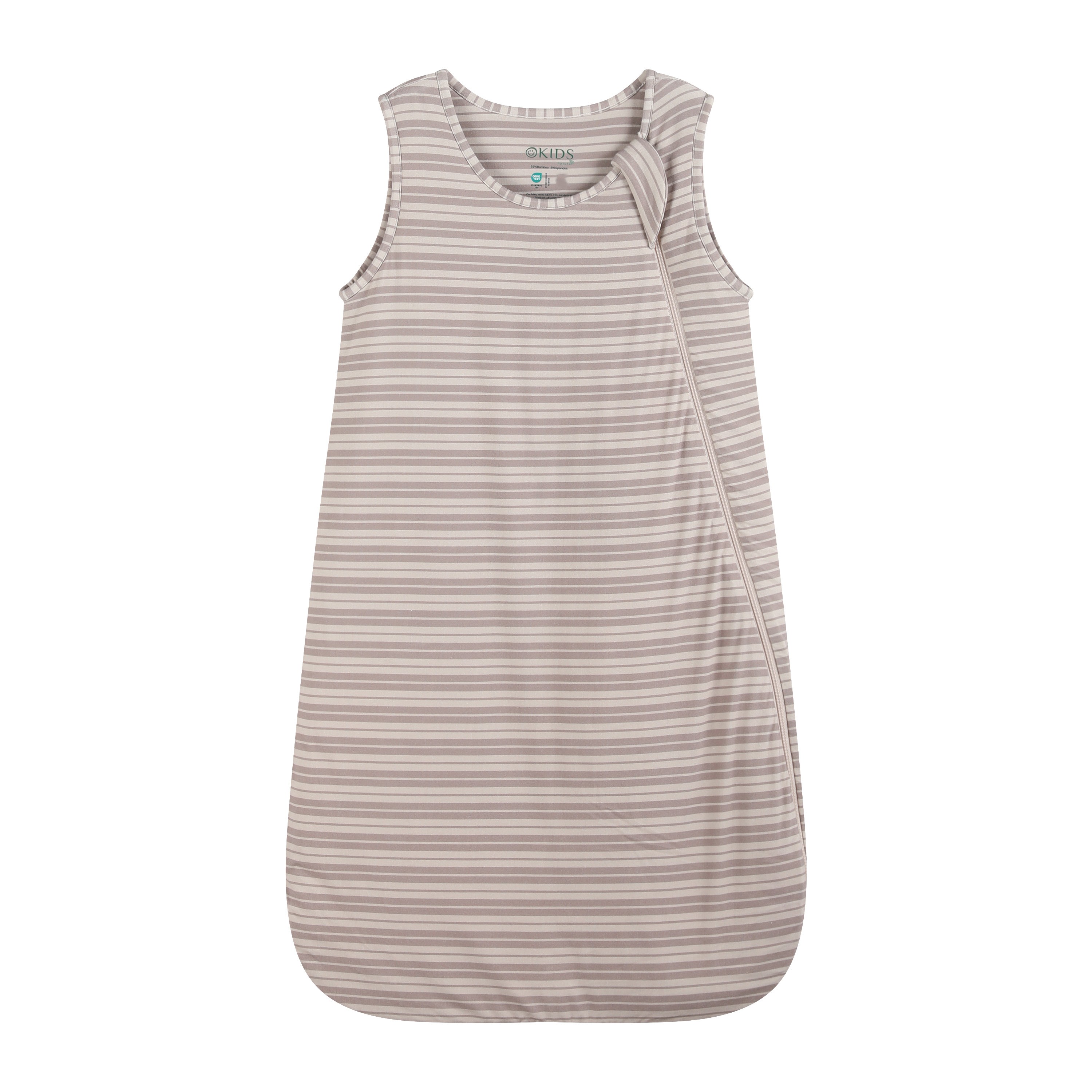
• Sleeve and Leg Designs: Offer versatile options such as detachable sleeves (for seasonal adaptability) and split-leg designs (for active infants). Wrap-style sleeves are ideal for newborns, while split-leg bags suit older babies.
• Zipper and Closure Systems: Dual-way zippers or bottom-opening designs simplify diaper changes, enhancing convenience for parents.
• TOG Ratings: Provide bags with clear TOG labels (0.5 for summer, 2.5–3.5 for winter) to help consumers choose based on room temperature.



3. Fabric Selection: Balancing Comfort and Performance
Buyers should source materials that align with market preferences:
• Natural Fibers: Organic cotton and bamboo viscose are highly sought after for their breathability, softness, and moisture-wicking properties.
• Durability: Ensure fabrics withstand repeated washing without pilling or fading.
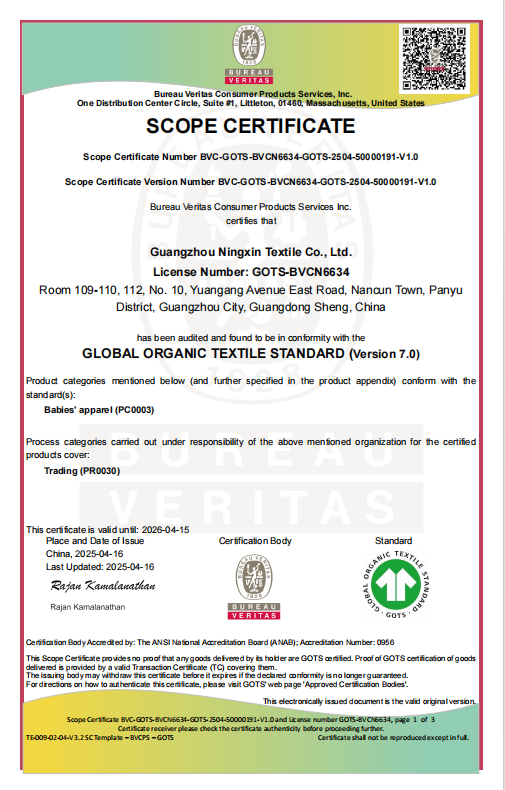
• Eco-Friendly Options: Recycled polyester or GOTS-certified organic materials appeal to sustainability-focused brands.
4. Sizing and Fit: Catering to Growth Phases
Optimize product ranges with:
• Adjustable Features: Growth-friendly designs (e.g., extendable length or adjustable shoulder straps) allow longer usability.
• Size Guidelines: Provide detailed size charts based on height/weight to minimize returns.
5. Market Trends and Consumer Preferences
Stay ahead by incorporating:
• Minimalist Aesthetics: Light-colored, simple patterns reduce dye-related risks and align with safety trends.
• Smart Features: Temperature-regulating materials or moisture-wicking technologies are emerging differentiators.
• Certification Transparency: Highlighting compliance with BS 8510 or OEKO-TEX® builds trust with end consumers.

6. Choosing the Right Baby Sleeping Bag Manufacturer
Selecting a reliable baby sleeping bag manufacturer is critical for quality assurance and supply chain stability. Key factors to evaluate include:
• Production Expertise and Certifications: Prioritize manufacturers with proven experience in infant textiles and certifications like OEKO-TEX® or ISO 9001. Facilities specializing in mother and baby and products (e.g., GB 31701 compliance) ensure adherence to safety standards.
• Technical Capabilities: Assess innovations such as temperature-regulating materials (e.g., Outlast®), antibacterial treatments, and ergonomic designs. Manufacturers offering TOG-rated products with precision stitching and durable closures (e.g., YKK zippers) demonstrate attention to detail.
• Quality Control Processes: Ensure the manufacturer implements rigorous pre-production prototyping, wash testing, and colorfastness checks. Request evidence of batch testing reports and compliance with international safety norms.
• Supply Chain Transparency: Partner with manufacturers providing clear material sourcing details (e.g., organic cotton traceability) and ethical production practices. Flexibility for customizations (e.g., brand-specific sizing or eco-packaging) is a advantage.
• Scalability and Lead Times: Verify production capacity for large orders and responsiveness to market demands. Manufacturers with integrated R&D and logistics support can accelerate time-to-market.
7. Logistics and Supply Chain Considerations
• Pre-Production Prototyping: Request samples to verify stitching, zipper quality, and fabric consistency.
• Wash Testing: Ensure products retain shape and color after repeated laundering.
• Packaging: Opt for eco-friendly packaging to align with brand values.
Conclusion
Sourcing high-quality baby sleeping bags requires a balance of safety compliance, functional design, and market-driven features. By prioritizing certified materials, adaptable designs, and transparent manufacturing processes, you can deliver products that resonate with brands and end consumers alike. When selecting a baby sleeping bag manufacturer, prioritize expertise, innovation, and ethical practices to ensure long-term partnership success.
Partner with suppliers who emphasize rigorous testing and innovative solutions to elevate inventory. Let's create safer, smarter sleep solutions together!
Selecting a Trusted Baby Clothing Manufacturer
Why Choosing a Sustainable Clothing Manufacturer Is Important
Related Article