Bamboo Fiber's Five Golden Sectors: Entry into the $8.4 Billion Market by 2030
Against the backdrop of increasing emphasis on sustainable fashion and eco-friendly concepts, bamboo fiber—as a natural, environmentally friendly, and highly functional textile material. The following sections provide a comprehensive recommendation, covering the properties, applicable product types, and market prospects of bamboo fiber.
I. Characteristics and Advantages of Bamboo Fiber
Bamboo fiber possesses multiple advantages such as lightweight texture, breathability, moisture absorption, antibacterial properties, and UV resistance, granting it broad application potential in the apparel sector. Its natural antibacterial capability effectively inhibits bacterial growth, making it particularly suitable for infant clothing, maternity wear, and medical care products. Additionally, bamboo fiber’s moisture-wicking capacity far exceeds that of cotton, rapidly absorbing and evaporating sweat to keep the skin dry and comfortable—ideal for summer apparel. Bamboo fiber also exhibits excellent dyeability and a soft, silky touch, providing a wearing experience akin to real silk. Crucially, its production process is environmentally friendly: bamboo, as a fast-growing renewable resource, generates almost no pollution during cultivation and processing, aligning with low-carbon and sustainable development trends.
II. Suitable Apparel Product Categories
-
Close-to-Skin Apparel
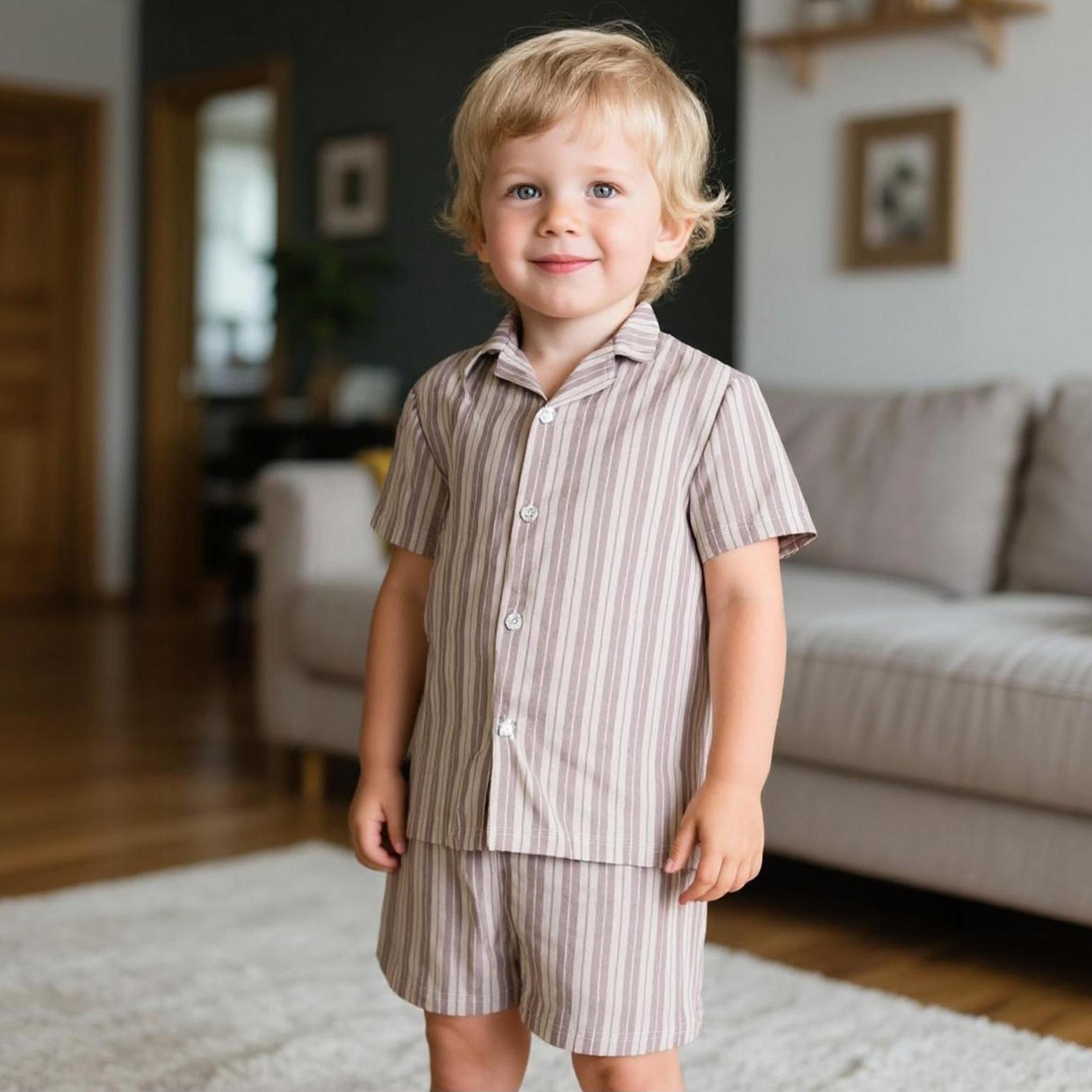
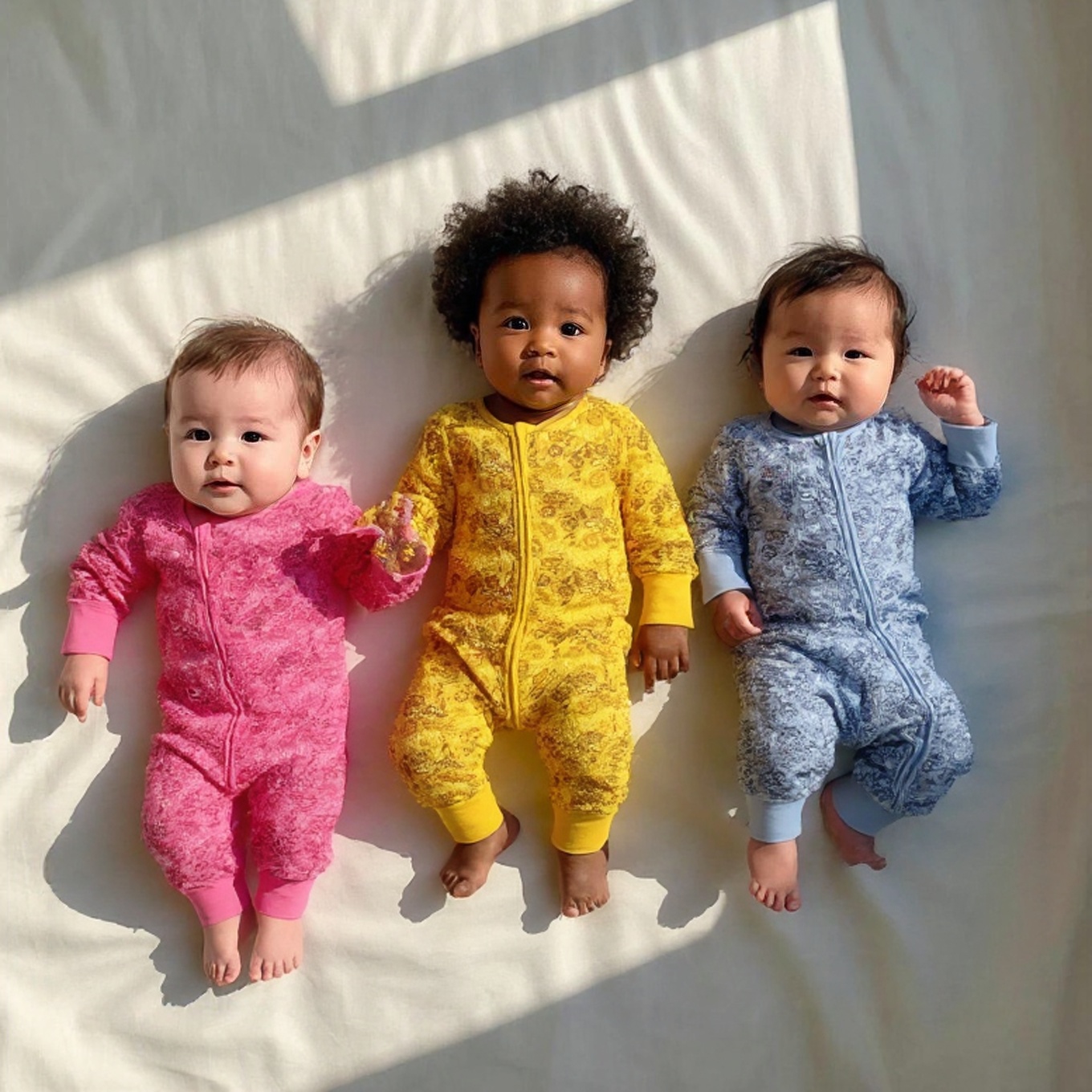
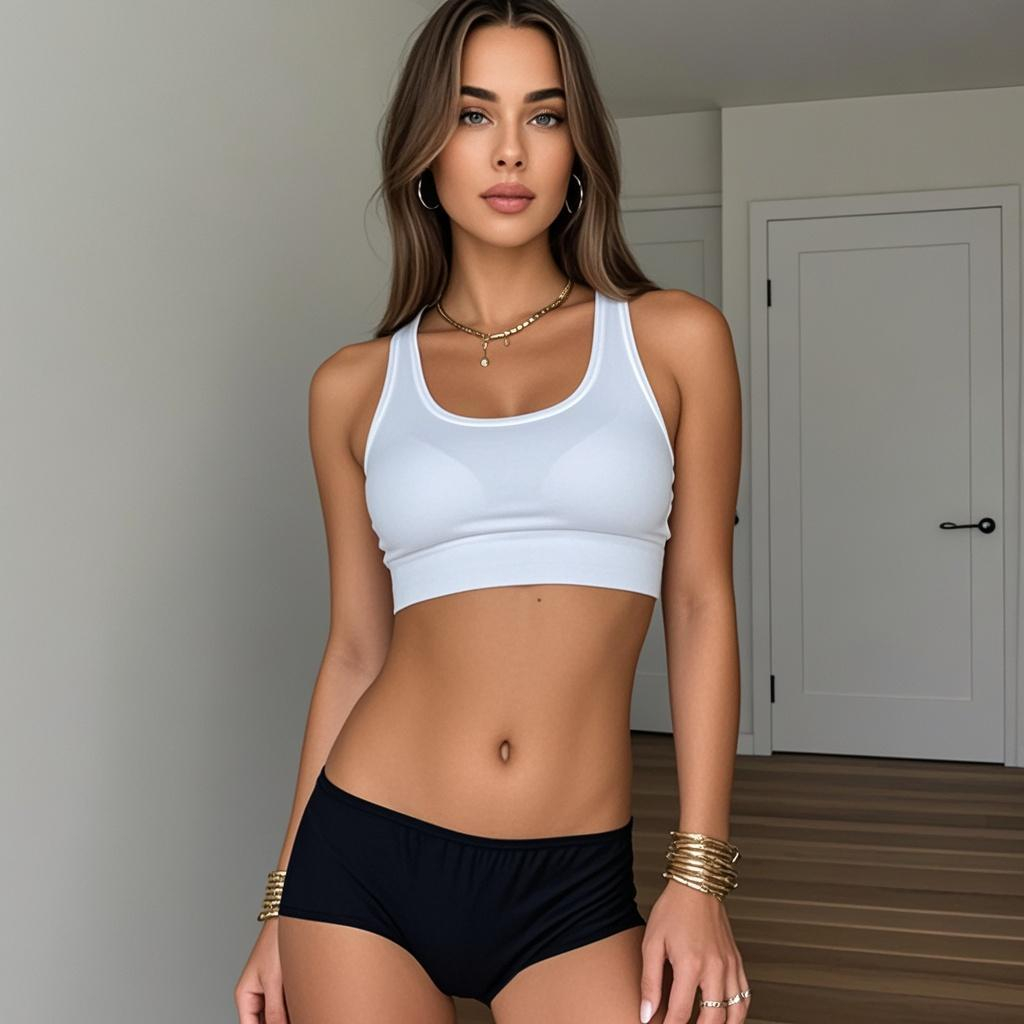
Bamboo fiber's antibacterial, moisture-absorbing, and breathable properties make it ideal for underwear, T-shirts, sportswear, and other close-fitting garments. Its softness and skin-friendliness reduce irritation, benefiting sensitive skin. The antibacterial function also minimizes odors, enhancing comfort.


-
Summer Apparel
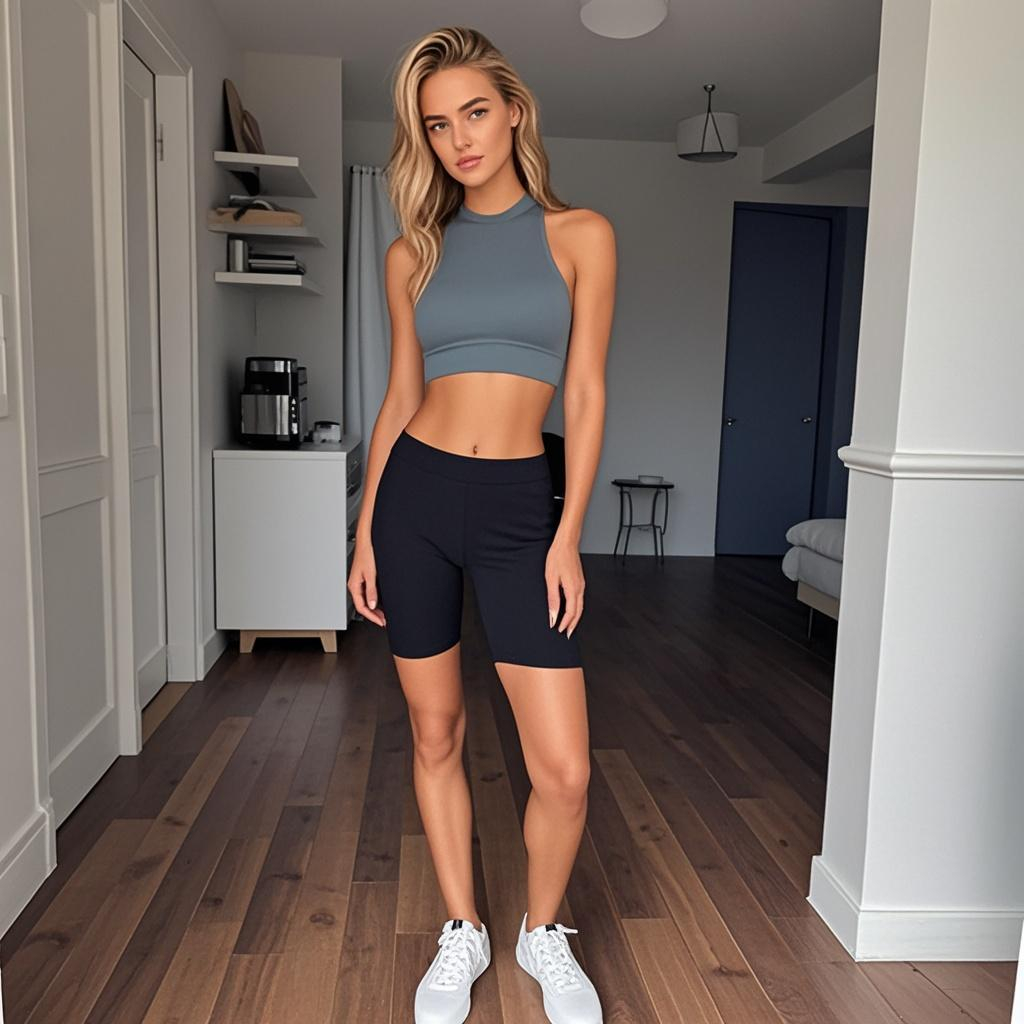
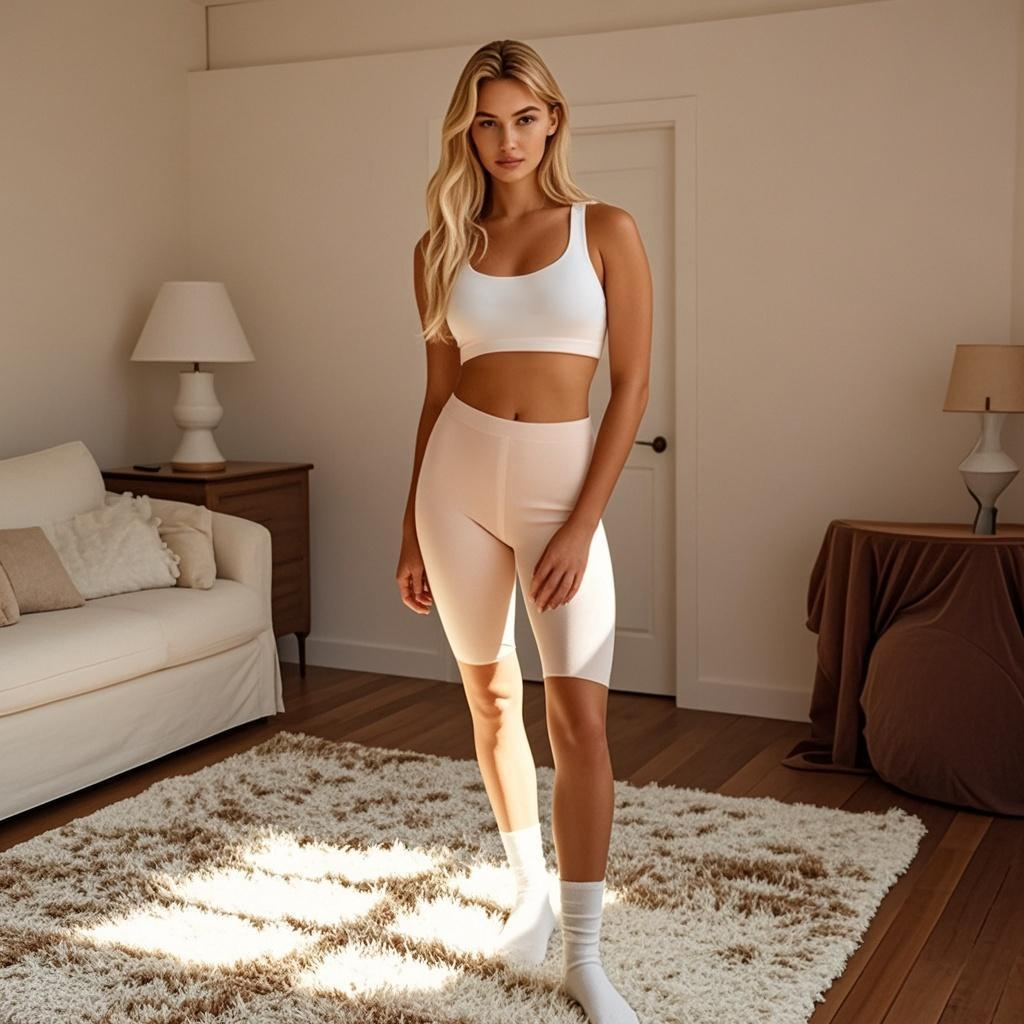
Bambry fiber's moisture-wicking performance excels in summer clothing. Its "breathable" nature regulates body temperature swiftly, keeping wearers cool in hot weather. Summer apparel made from bamboo fiber (e.g., dresses, shorts, shirts) combines lightness with high breathability.
-
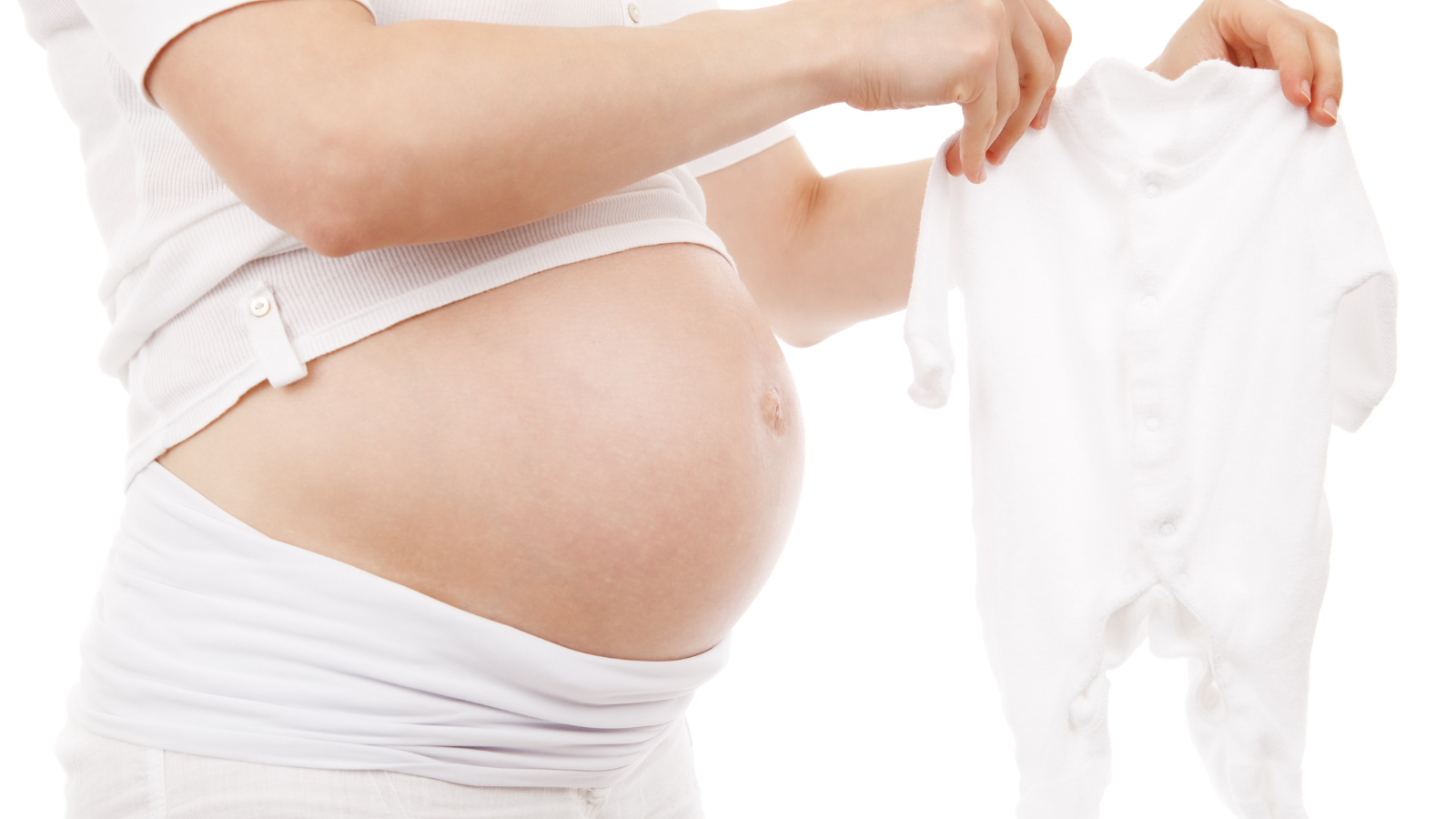
Medical and Care Products



-
Home Textiles and Household Goods

-
Sportswear and Outdoor Apparel

III. Market Prospects and Recommendations
With rising consumer demand for eco-friendly, healthy, and comfortable apparel, the bamboo fiber market holds vast potential. Its alignment with sustainable trends and multifunctional properties gives it unique advantages in niche markets like healthcare, maternity, and sports.
For apparel manufacturers promoting bamboo fiber to B2B clients, focus on:
-
Product Design:Develop items targeting specific groups (infants, athletes) by leveraging antibacterial/moisture-control features.
-
Eco-Concept:Highlight sustainability (e.g., bamboo’s carbon sequestration, biodegradability) to attract environmentally conscious clients.
-
Quality Control:Ensure stability in key properties (e.g., antibacterial efficacy ≥75%).
-
Market Promotion:Enhance visibility through brand campaigns and product showcases.
IV. Conclusion
Bamboo fiber's natural, sustainable, and functional advantages position it as a strategic product for B2B recommendations. Its versatility across intimate wear, medical textiles, and home products delivers exceptional performance and user experience. As sustainable fashion gains momentum, bamboo fiber offers apparel manufacturers a significant growth opportunity.
From Inspiration to Shelf: The Systematic Journey of Apparel Concept Realization
10-Minute Guide to Apparel Printing Techniques and Future Trends
Related Article