How to choose bamboo fiber clothing for babies? A must-see guide for new parents
With the rise of the popularity of bamboo fiber baby clothing, many parents have also questioned: how to distinguish high-quality bamboo fiber? What kind of design is better for baby? Stay here! This practical guide will guide you step by step from the material, process and details to avoid the minefields and choose the right BAMBOO FIBER clothing that is truly safe and comfortable.

Step 1: Identify the "true bamboo fiber" to avoid the material trap
Many products advertised as "bamboo fiber" on the market are actually bamboo pulp fiber (viscose fiber), and its natural composition and environmental protection are greatly reduced. Note when selecting:
• Look at the ingredient label: Quality Bamboo Fiber should be labeled "Bamboo fiber" or "natural bamboo fiber", not "Bamboo Viscose".
• Touch texture: The real bamboo fiber feels soft and slightly cool, and is still soft after repeated washing; Poor quality products are easy to harden and pilling.
• Check certification: Preference is given to brands that have passed OEKO-TEX® STANDARD 100 (no hazardous substances certification) or FSC (Sustainable Forestry Certification).
Step 2: Pay attention to health details and avoid safety hazards
Although bamboo fiber is natural, there may still be chemical residues in the production process if not properly handled:
• Choose primary or light colors: Avoid dark dyes to reduce the risk of exposure to chemical dyes. Natural bamboo fiber is beige or light khaki color.
• Smell: High-quality bamboo fiber clothing only light bamboo smell, if the pungent or sour taste is obvious, may contain formaldehyde or bleach residue.
• Check the stitching process: Preference is given to boneless sewing, label outer sewing or hot stamping designs to avoid rubbing the seams against the baby's skin.

Step 3: Select the right functional design according to the scene and season
The natural characteristics of bamboo fiber can be matched with different designs to meet the diversified needs of babies:
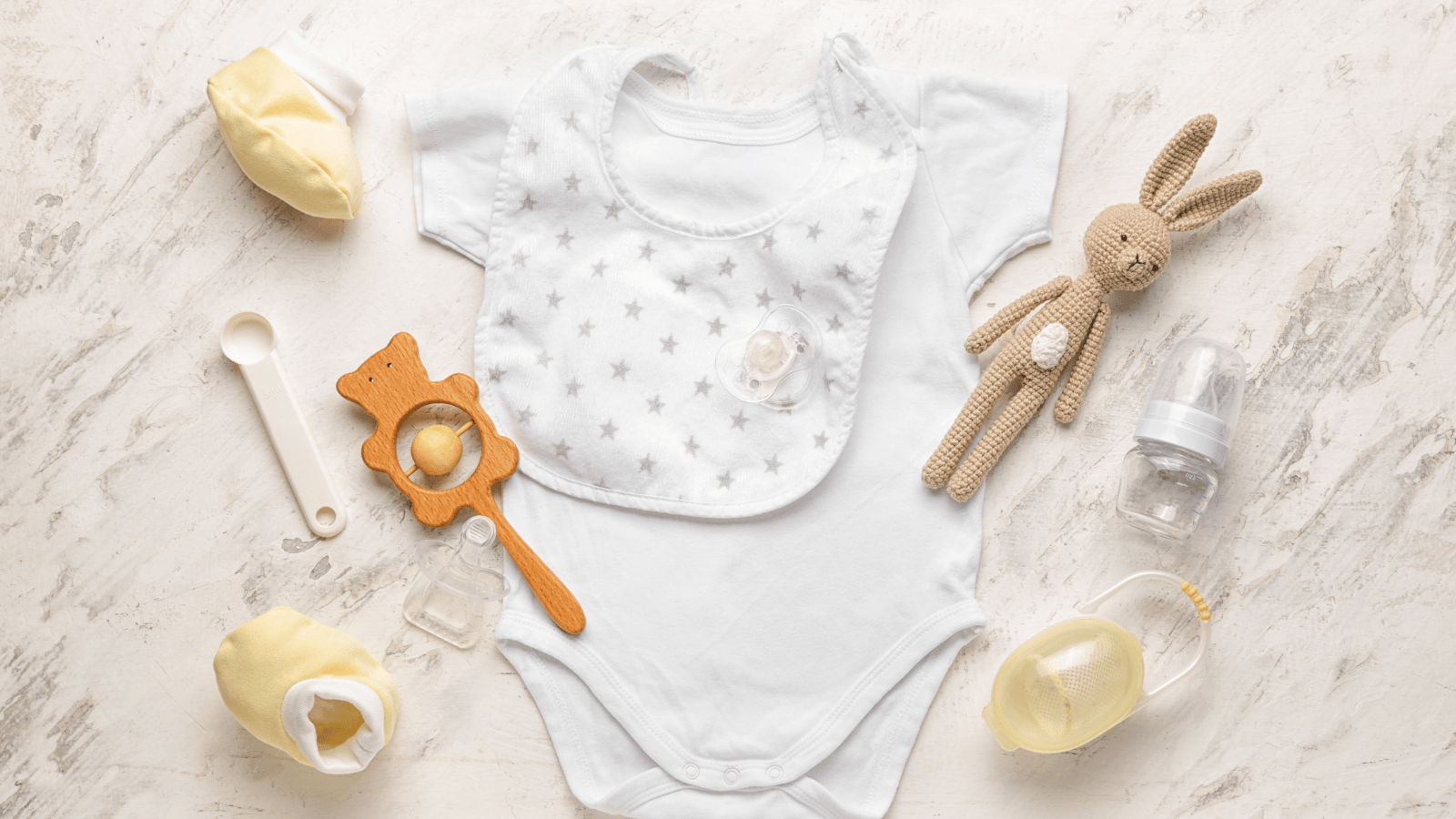
•Newborn period: Choose an onesie with envelope neckline and side button, easy to put on and take off and change diapers; Fluorescence-free and metal-free models are safer.
• Summer: Pick mesh cloth, short-sleeved shorts set, the use of bamboo fiber permeable anti-prickly heat.
• Autumn and winter: Choose thick bamboo and cotton blend (such as bamboo fiber + organic cotton) underwear, both warm and moisture absorption, with bamboo fiber sandwich sleeping bag.
Step 4: Pay attention to practical details to reduce the burden of children
• Elastic waist: The waist of the pants is reserved for 2 fingers of loose amount to avoid the belly and adapt to the baby's rapid growth.
• Two-way zipper or Velcro: Easy to change diapers at night, reduce the probability of waking the baby.
• Foldable hand and foot cover: Newborn with foldable hand and foot protection design to prevent scratching face or cold.
Step 5: Scientific washing to extend the "vitality" of clothing
Bamboo fiber is durable, but the wrong care can degrade its performance:
• Cold water hand wash: Avoid machine washing and drying resulting in fiber breakage, soak in salt water before the first use.
• Neutral detergents: Softeners and bleach are prohibited so as not to destroy the natural antibacterial ingredients.
• Dry in the sun: Long exposure to the sun will harden the fibers, and laying dry can keep the clothes soft and fluffy.
How to Choose the Best Baby Clothing Manufacturer?
Bamboo Fiber clothing: A good choice for baby clothes
Related Article