Expanding Your Baby Clothing Line: A Strategic Guide to Succeeding with Bamboo
In the evolving children's apparel market, bamboo-based clothing has emerged as a significant trend, blending sustainability with premium quality. For established manufacturers and distributors in the babywear industry, expanding into bamboo baby clothes represents a strategic move to meet growing consumer demand for eco-friendly and gentle products. Success in this niche, however, hinges on a well-defined strategy, particularly in selecting the right manufacturing partner.
Understanding the Bamboo Baby Clothes Appeal
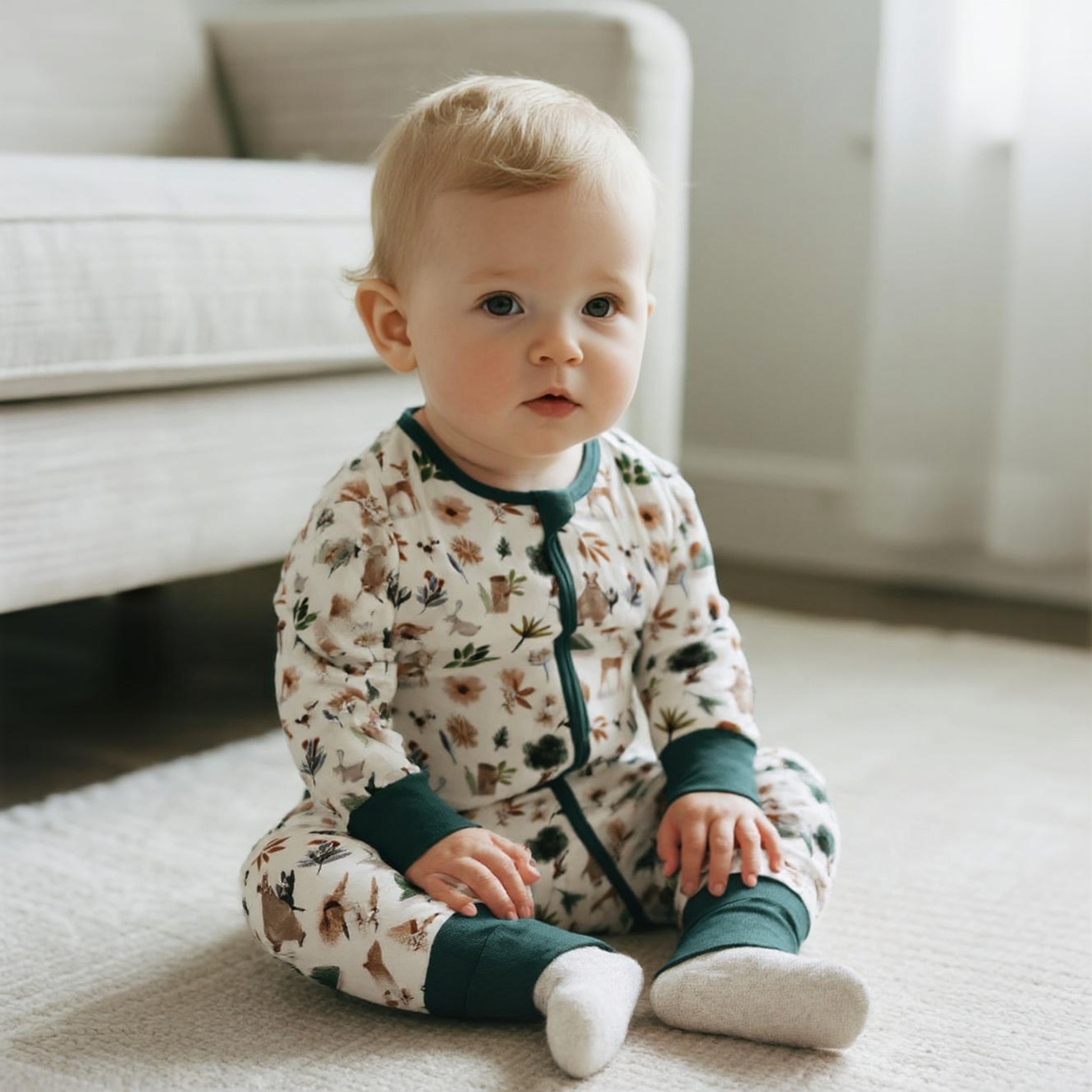
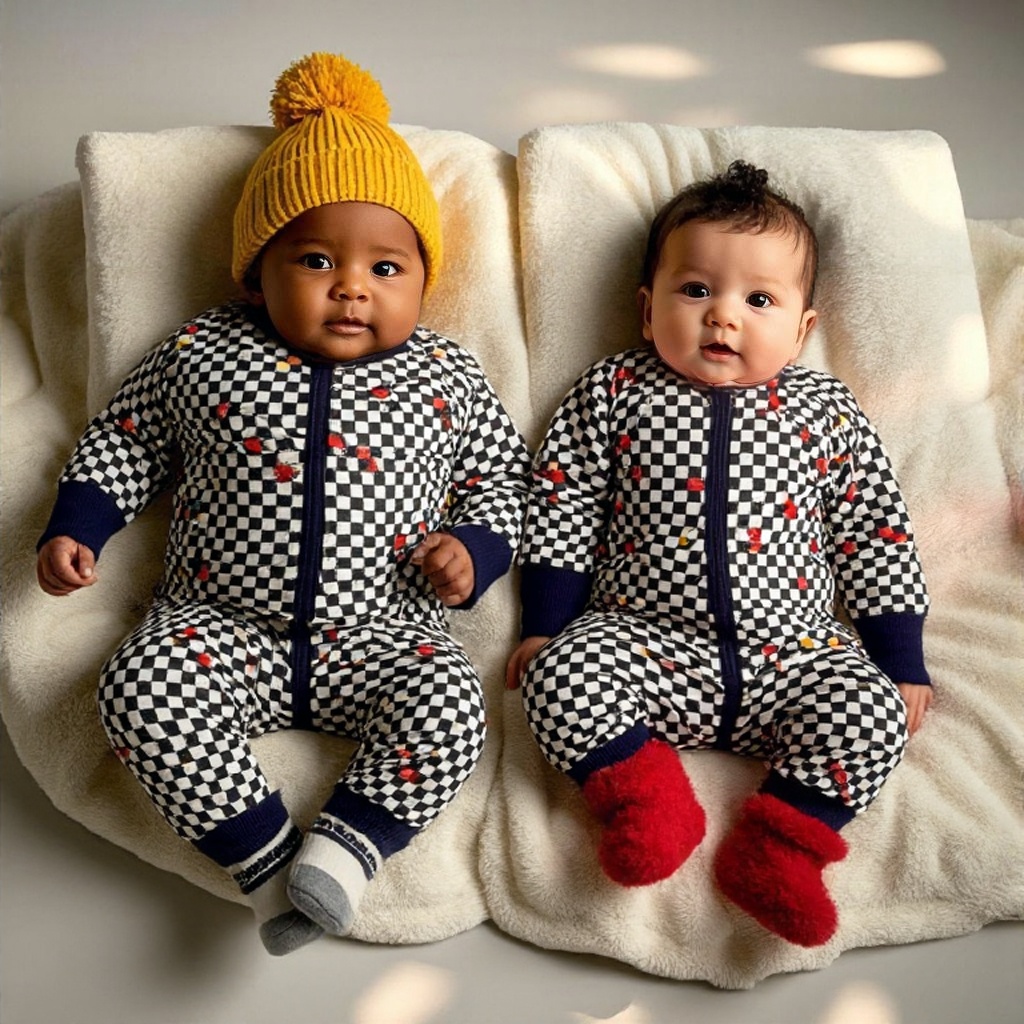
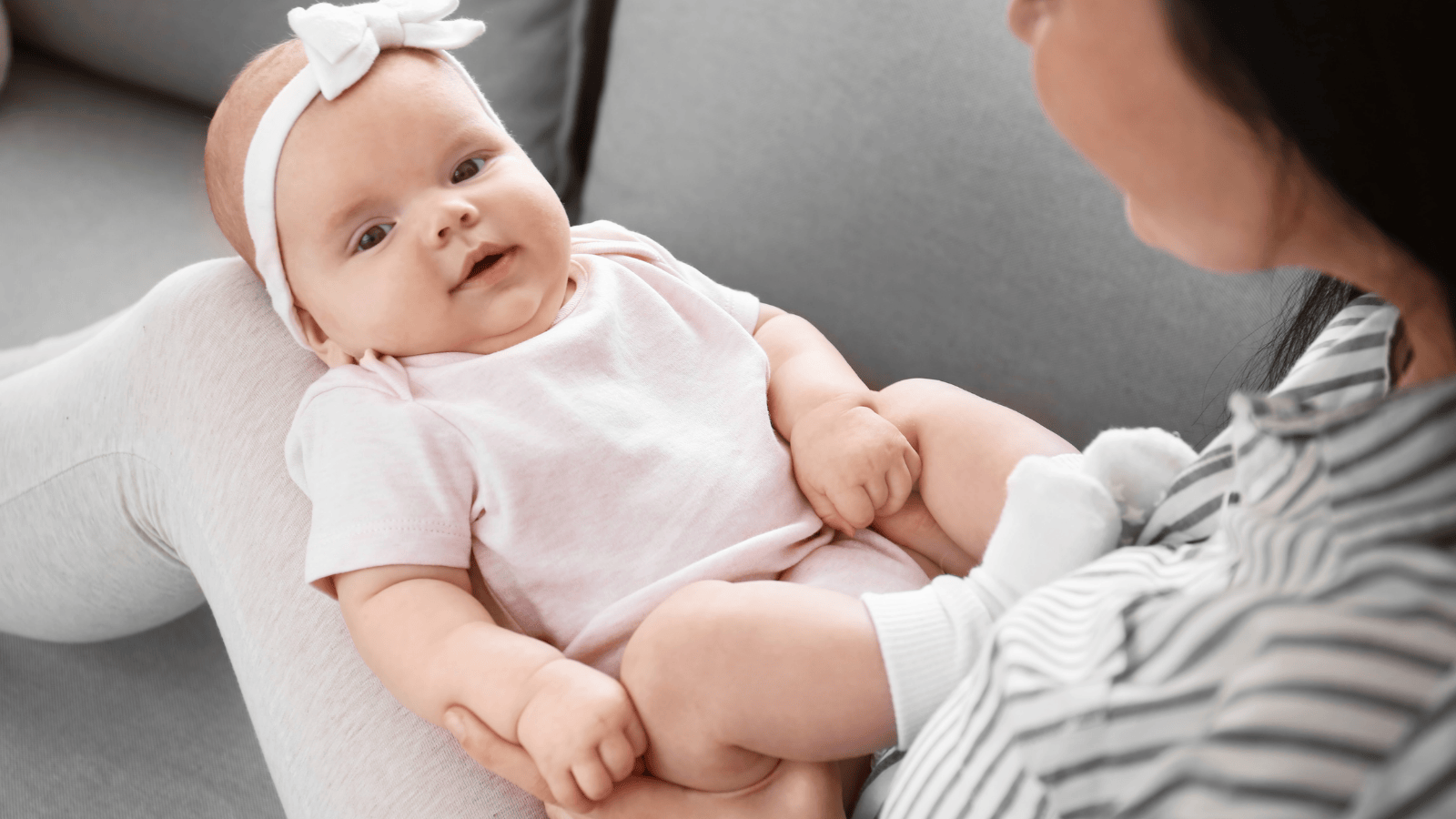
Bamboo fabric offers a unique combination of benefits that make it exceptionally suitable for baby clothing. It is exceptionally soft—often compared to silk or cashmere—making it gentle against a newborn's delicate and sensitive skin. The material is naturally hypoallergenic and antibacterial, which helps reduce the risk of skin irritations and allergies, a primary concern for parents. Furthermore, bamboo fabric excels at temperature regulation, helping to keep babies cool in warm weather and warm in cooler temperatures, a key functional advantage for sleepwear and everyday essentials. From a marketing perspective, bamboo's sustainability is a powerful attribute; it grows rapidly without pesticides and requires minimal water, aligning with the values of a growing segment of environmentally conscious consumers . This blend of comfort, safety, and eco-friendliness makes it a compelling category for businesses looking to enhance their offerings.

Key Considerations for Selecting Your Bamboo Clothing Manufacturer
Choosing the right partner is the most critical step in launching a successful bamboo baby clothing line. Your chosen manufacturer will directly impact product quality, brand reputation, and scalability. Here are the essential factors to evaluate:
• Fabric Expertise and Quality Certifications: Prioritize manufacturers with proven experience in producing bamboo fabric, not just general apparel. Look for important certifications like GOTS (Global Organic Textile Standard) and OEKO-TEX Standard 100, which verify that the textiles are free from harmful substances and produced sustainably. These certifications are not just checkboxes; they are crucial assurances for your business and the end consumer.
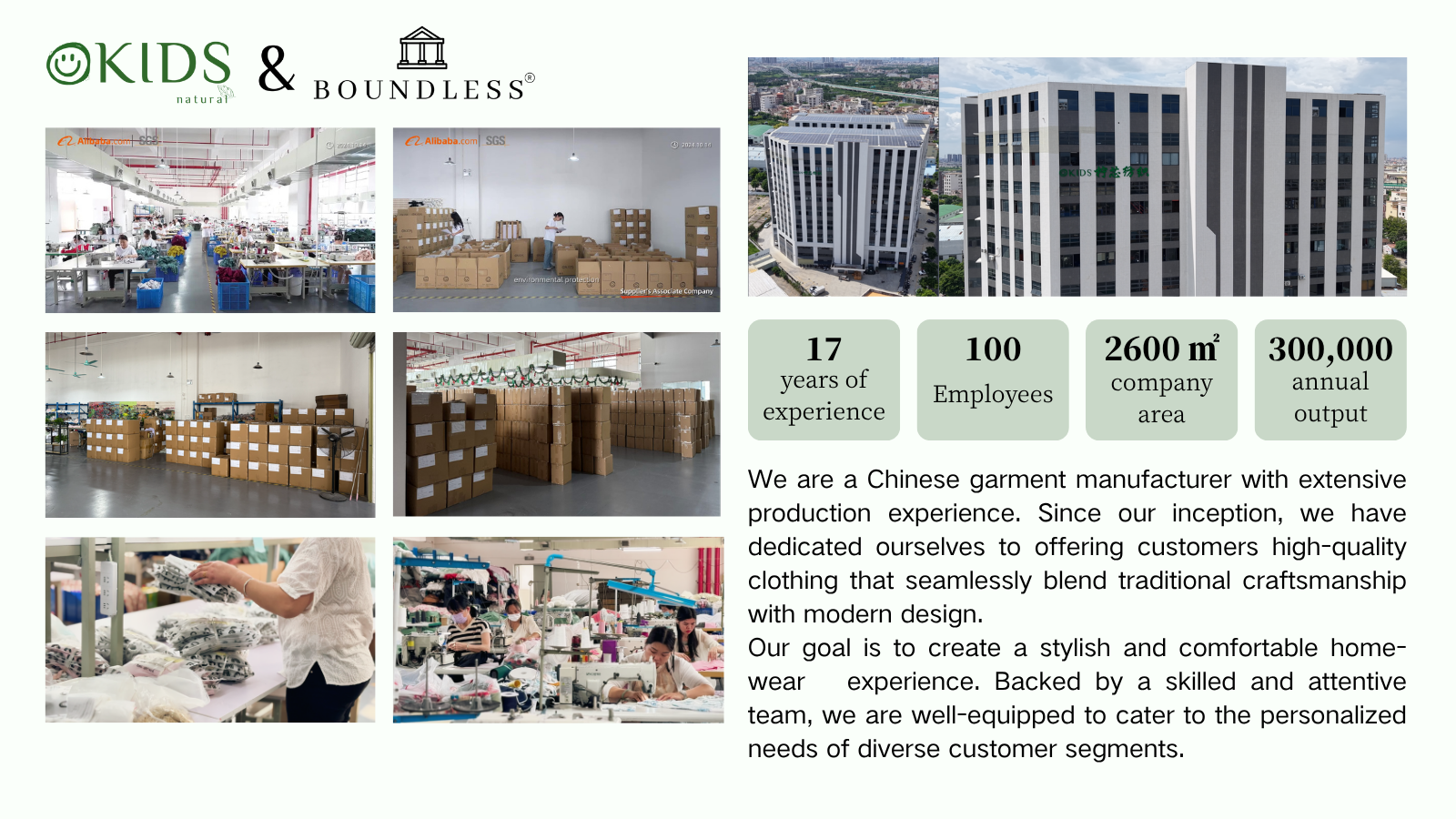
• Production Capacity and Minimum Order Quantities (MOQs): Assess whether the manufacturer's production capacity aligns with your projected sales volume. Inquire about their MOQs and flexibility for future scaling. A reliable partner should be able to accommodate growth without compromising on quality or lead times. It's also wise to understand their supply chain transparency regarding raw bamboo sourcing to guarantee true sustainability from plant to product.
• Sampling and Customization Capabilities: Before committing to a large order, always request samples. This allows you to evaluate the fabric's hand-feel, stitching quality, durability, and overall finish. A proficient bamboo baby clothes manufacturer will offer comprehensive OEM/ODM services, enabling you to create unique designs, from custom prints and patterns to specific cuts and functional features like two-way zippers or fold-over mittens.
• Communication and Reliability: Effective communication is the backbone of a successful partnership. Gauge their responsiveness, transparency, and willingness to collaborate. A best bamboo clothes manufacturer acts as an extension of your team, providing insights and ensuring a smooth production process from design to delivery.
Building a Successful Partnership for the Long Term
Once you have identified a potential manufacturer, focus on building a strong, collaborative relationship. Clearly communicate your quality standards, design specifications, and brand values. A trustworthy partner will help you develop bamboo clothes that are not only marketable but also safe, durable, and truly beneficial for infants.
Expanding into bamboo baby clothing is more than a business decision—it's an opportunity to align your brand with sustainability, wellness, and quality. By thoroughly understanding the fabric's advantages and meticulously selecting a manufacturing partner, you can confidently capitalize on this growing market and build a trusted, profitable product line.
Sustainable Clothing Manufacturer: Making the Right Choice for Your Business
Why Certifications Like OEKO-TEX and BSCI Matter in Pyjamas Manufacturing
Related Article