How to Choose Garment Labels: Best Materials for Comfort & Branding
 I. Common Forms of Garment Labels
-
Sewn labels
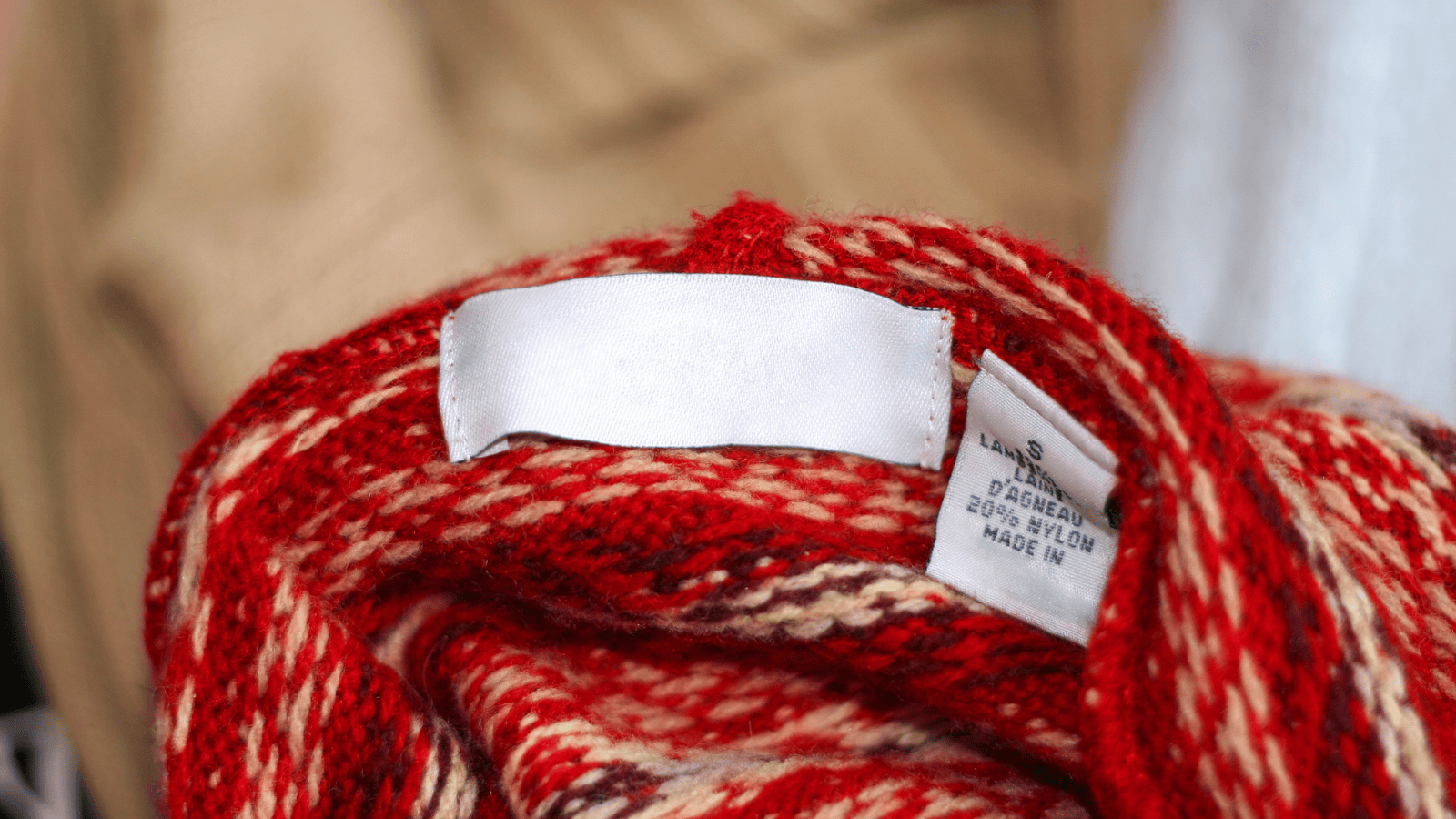
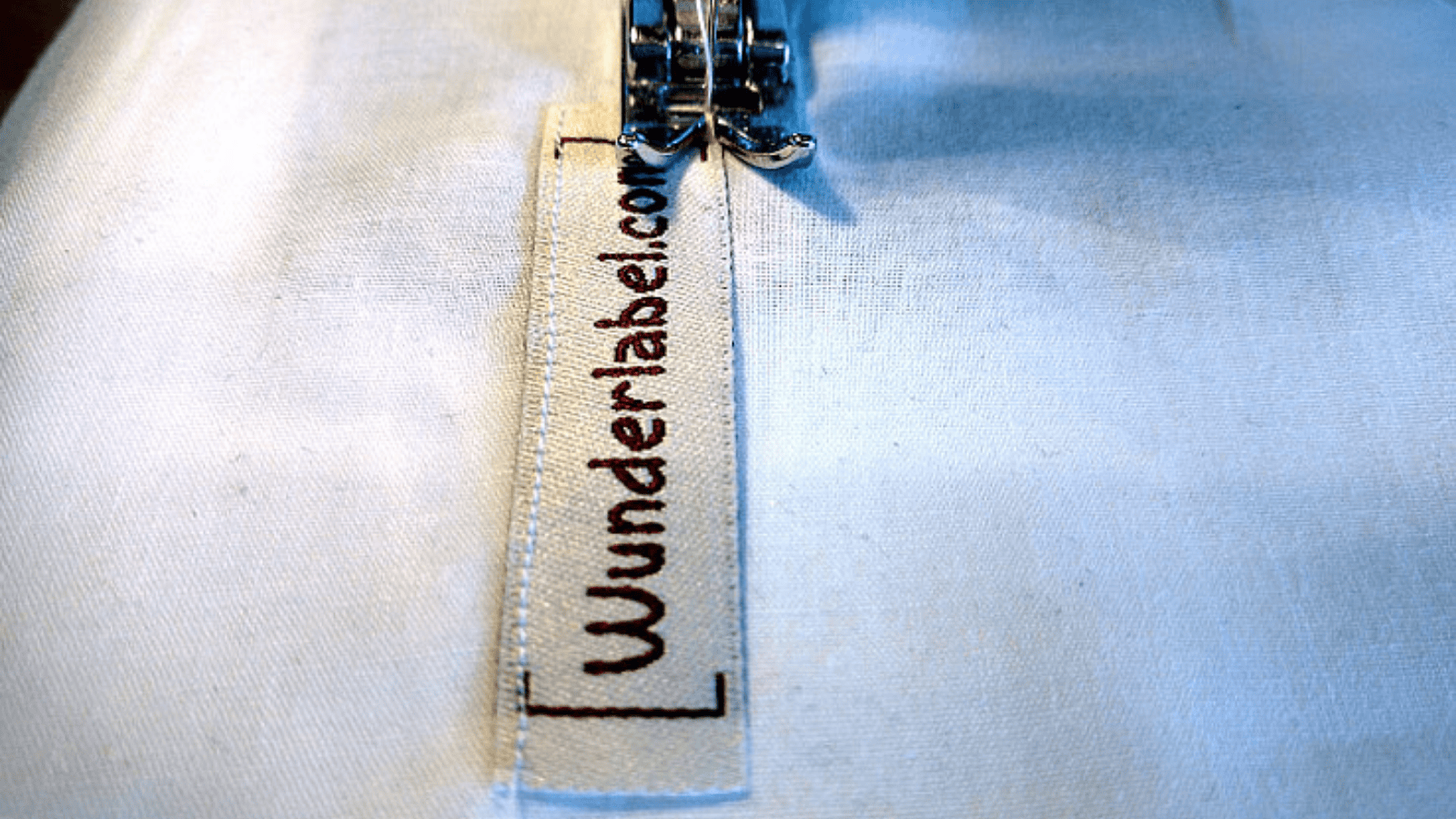
Sewn labels are a traditional and widely used form, typically displaying brand names, fiber content, care instructions, etc. They are stitched onto garments, offering high durability, making them suitable for products requiring frequent washing. However, their stiff texture may cause skin discomfort, especially in infant and children’s clothing.
-
Iron-on labels
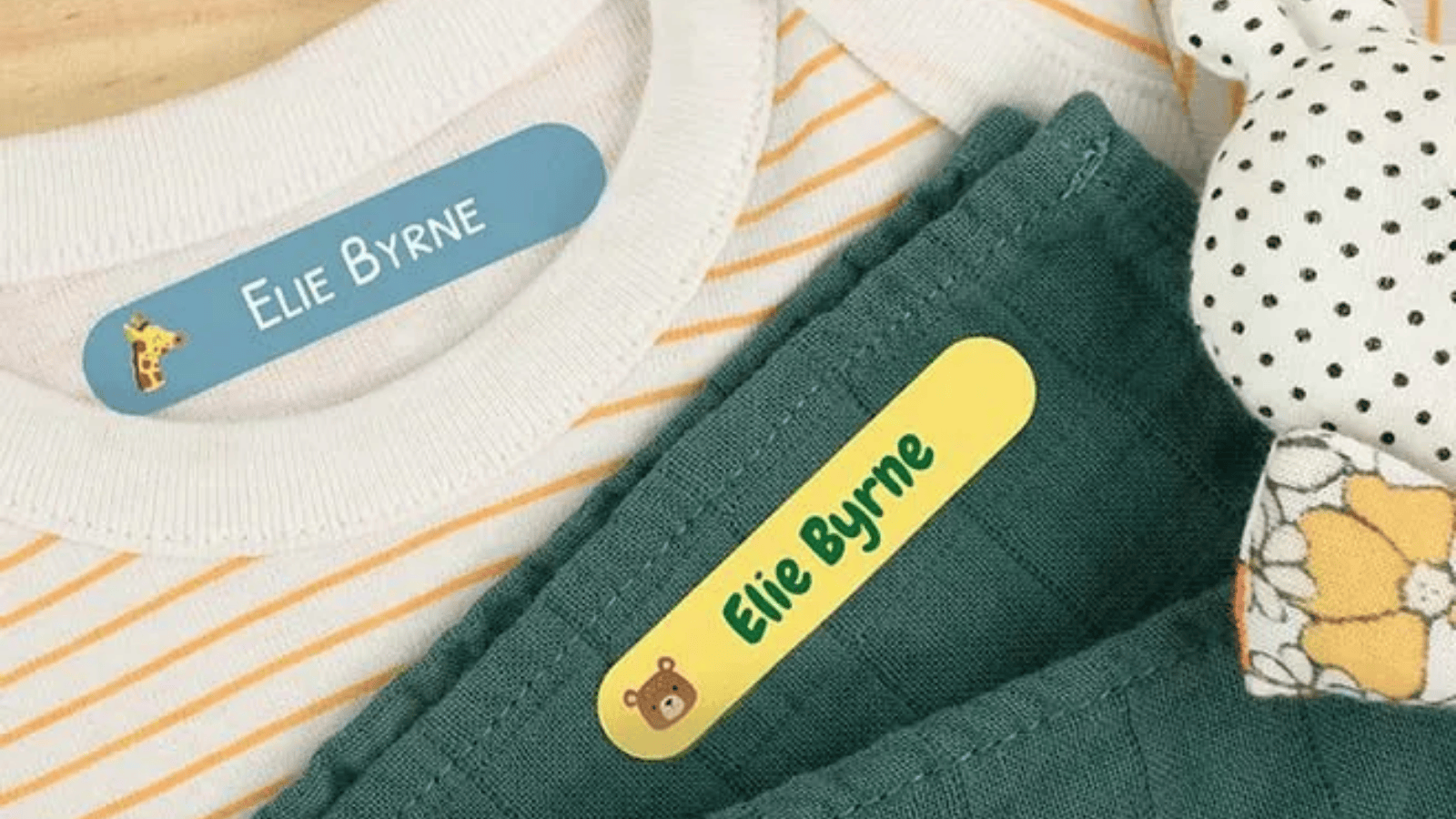
Iron-on labels feature adhesive backing and are applied using heat, making them easy to mass-produce. These labels are soft and comfortable, ideal for children’s wear and loungewear. However, they are less durable than sewn labels and may peel or warp after repeated washing.
-
Cotton Labels
Made from natural cotton, these labels are eco-friendly and breathable, suitable for baby clothing and home textiles. They allow inkjet printing for clear information but are prone to fading or fraying with heavy washing, making them better suited for hand-washed or gentle-cycle garments.
-
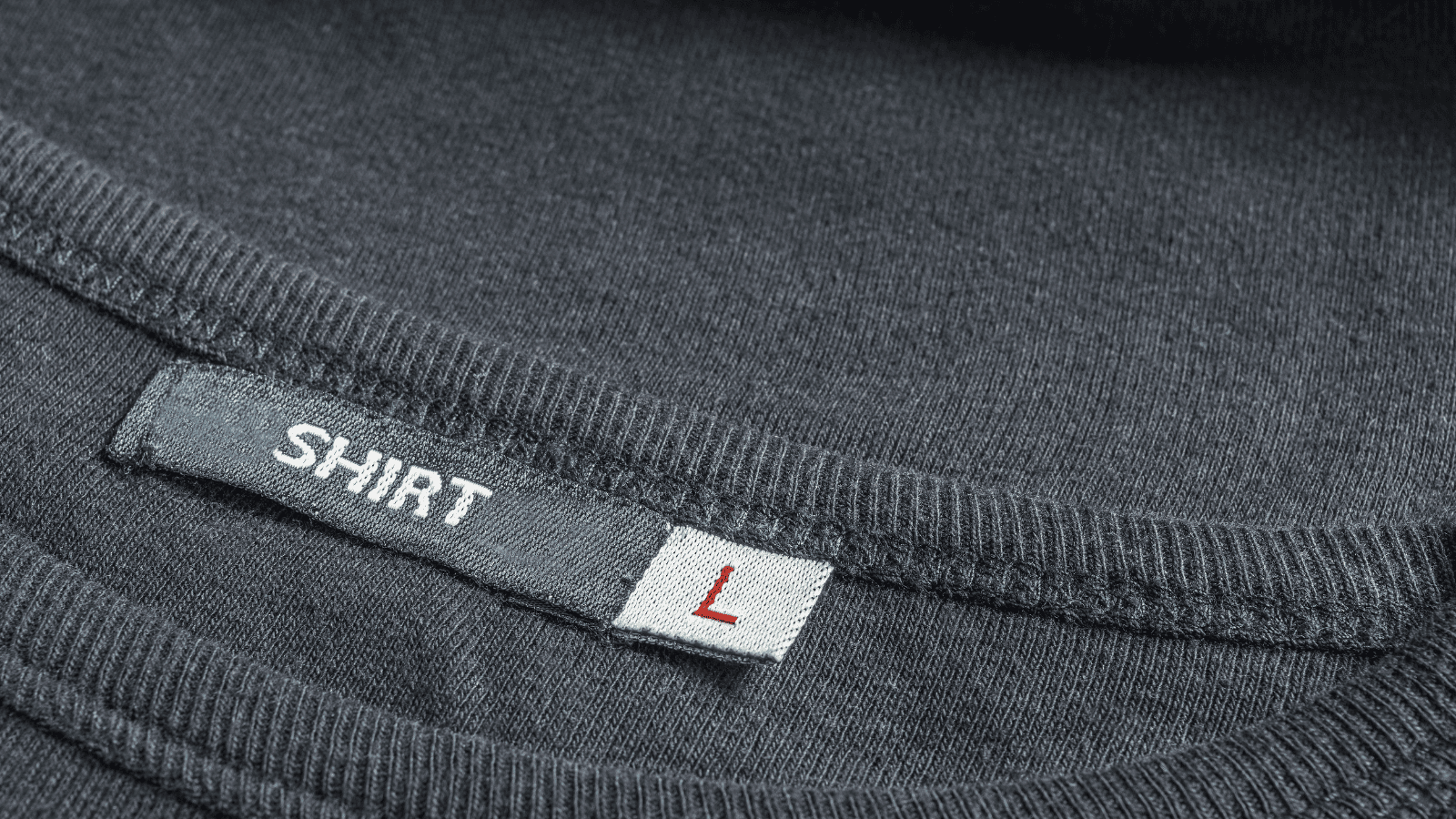
Woven Labels
Produced on large looms, woven labels use materials like silk or satin, offering durability and a premium look. They are ideal for brand logos, size information, or care symbols, often used by high-end brands. However, their higher cost and minimum order quantities may be less economical for small-scale production.
-
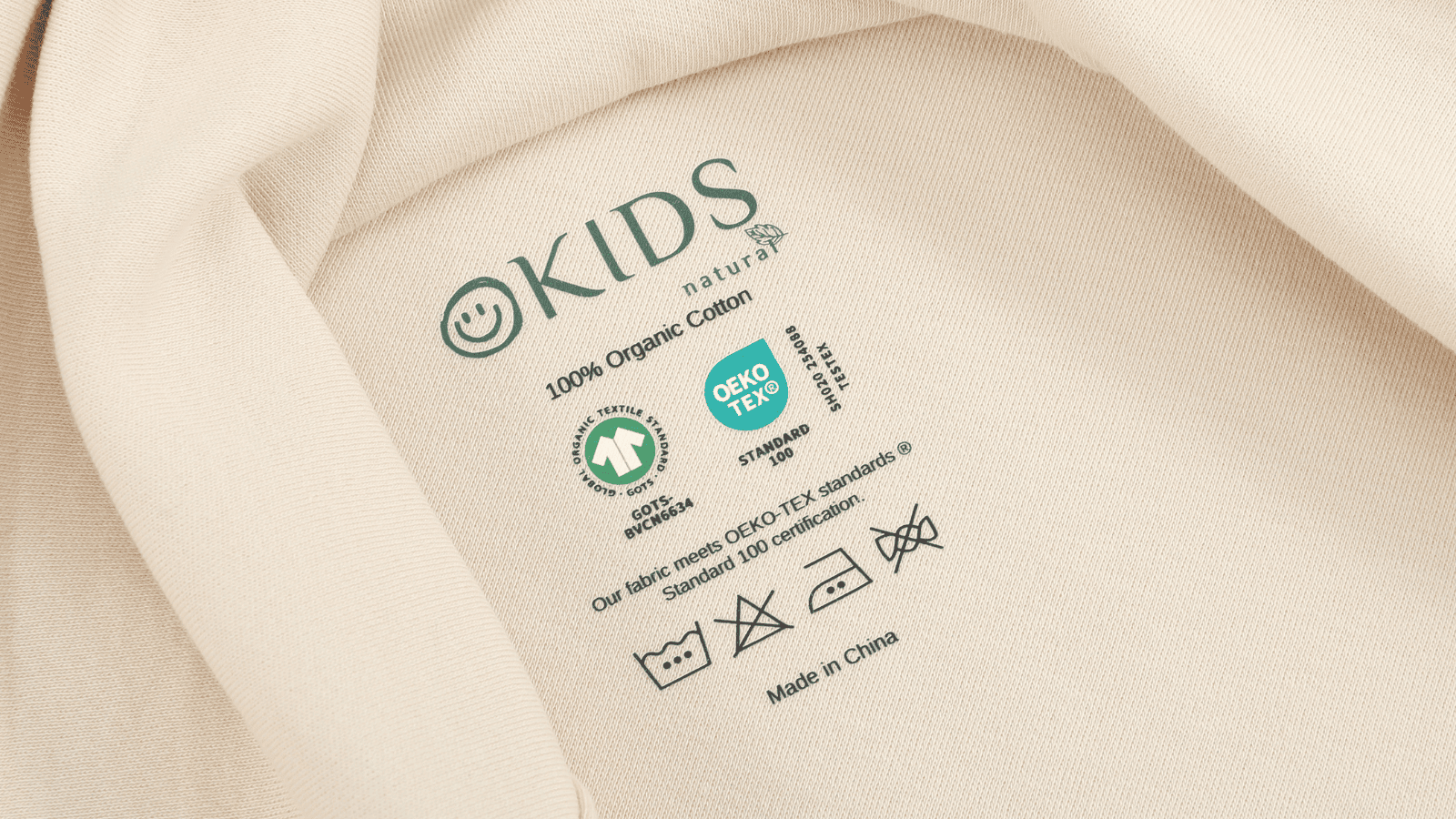
Heat Transfer Labels
These labels transfer designs directly onto fabric, supporting intricate patterns like embroidered patches. While highly flexible, they require specialized equipment and are relatively costly.
-
Hang Tags
Primarily used in retail, hang tags display pricing, sizing, or brand storytelling. They can be aesthetically designed but are not wash-proof, making them unsuitable for permanent attachment to garments.
II. Pros and Cons of Different Labels
|
Label Type |
Advantages |
Disadvantages |
|
Sewn Labels |
Durable, secure |
Stiff, may irritate skin |
|
Iron-On Labels |
Soft, easy application |
Less durable, may peel |
|
Cotton Labels |
Eco-friendly, breathable |
Prone to fading/fraying |
|
Woven Labels |
Premium look, long-lasting |
Higher cost, bulk orders |
|
Heat Transfer |
Versatile for designs |
Expensive, needs special equipment |
|
Hang Tags |
Attractive, informative |
Not washable |
III. How to Choose the Right Label
Businesses should select labels based on product usage, target customers, and brand positioning. For example:
- Baby/children's clothing: Prioritize soft, non-irritating labels like cotton or iron-on.
- Luxury brands: Opt for woven or heat-transfer labels to reflect exclusivity.
Legal compliance is critical. National regulations mandate durable labels for fiber content and care instructions. Infant products must be labeled as "for infants" to ensure safety.
IV. Conclusion
Garment labels are more than information carriers—they bridge brands and consumers. By choosing the right label, companies can elevate their professional image and enhance customer satisfaction. This guide aims to support your decision-making, helping your brand stand out in a competitive market.
What's Loungewear and Pajamas? What Is the Difference Between Them, and What Are the Trends for Both in 2025?
Bamboo Fiber: Sustainable, Antibacterial & Comfortable Textile Revolution
Related Article