How to Choose the Best Baby Clothing Manufacturer?
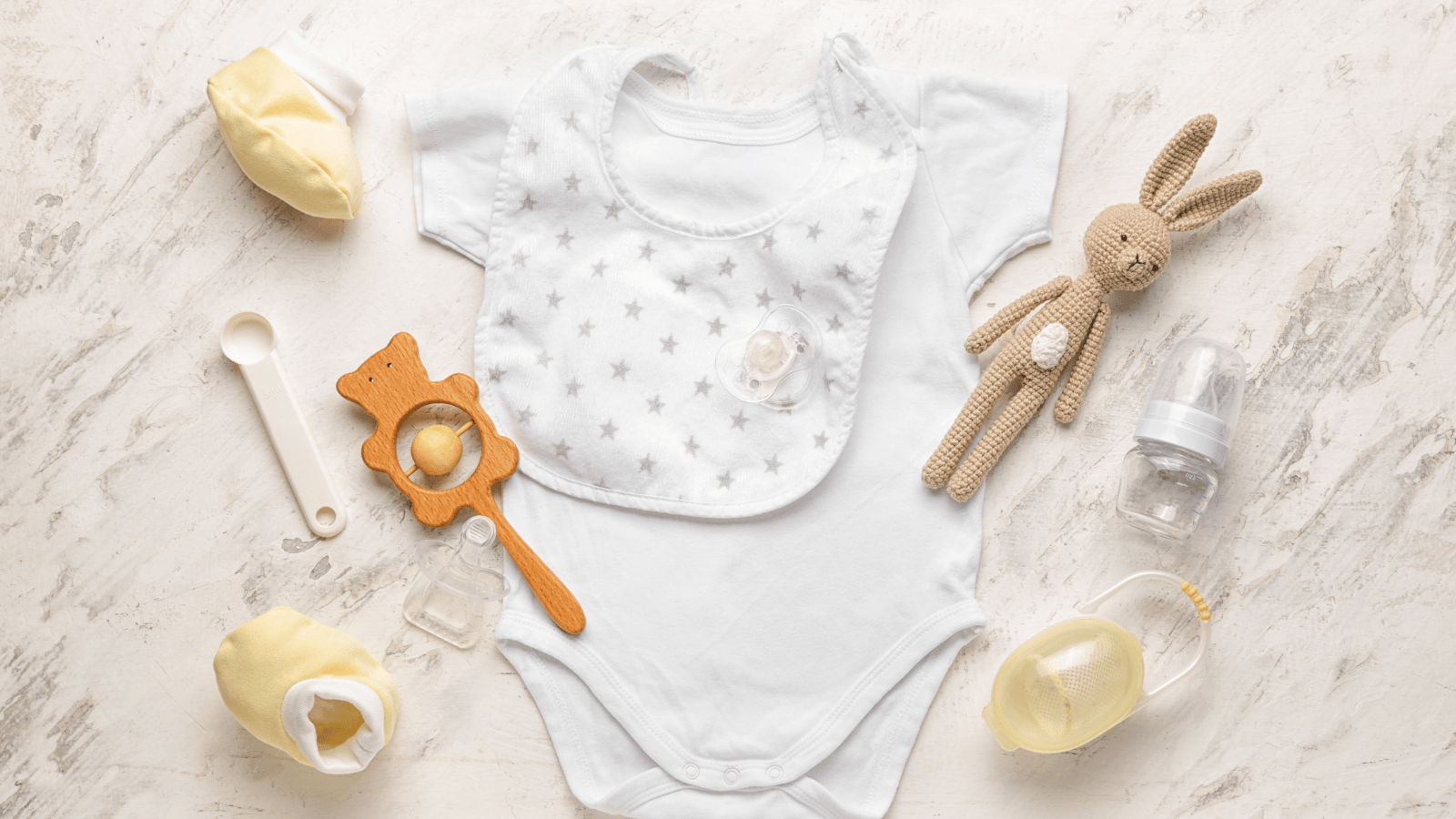
When starting a clothing line, choosing the right manufacturer is crucial. Consider factors such as pricing, quality, production capacity, and location. Research potential manufacturers, ask for samples, and check their reputation and certifications. Ultimately, finding a reliable clothing manufacturer will ensure the success of your business. But how do you choose a sustainable clothing manufacturer to work with? Here are some key factors to help you choose the right manufacturer.
1. Focus on sustainable material selection
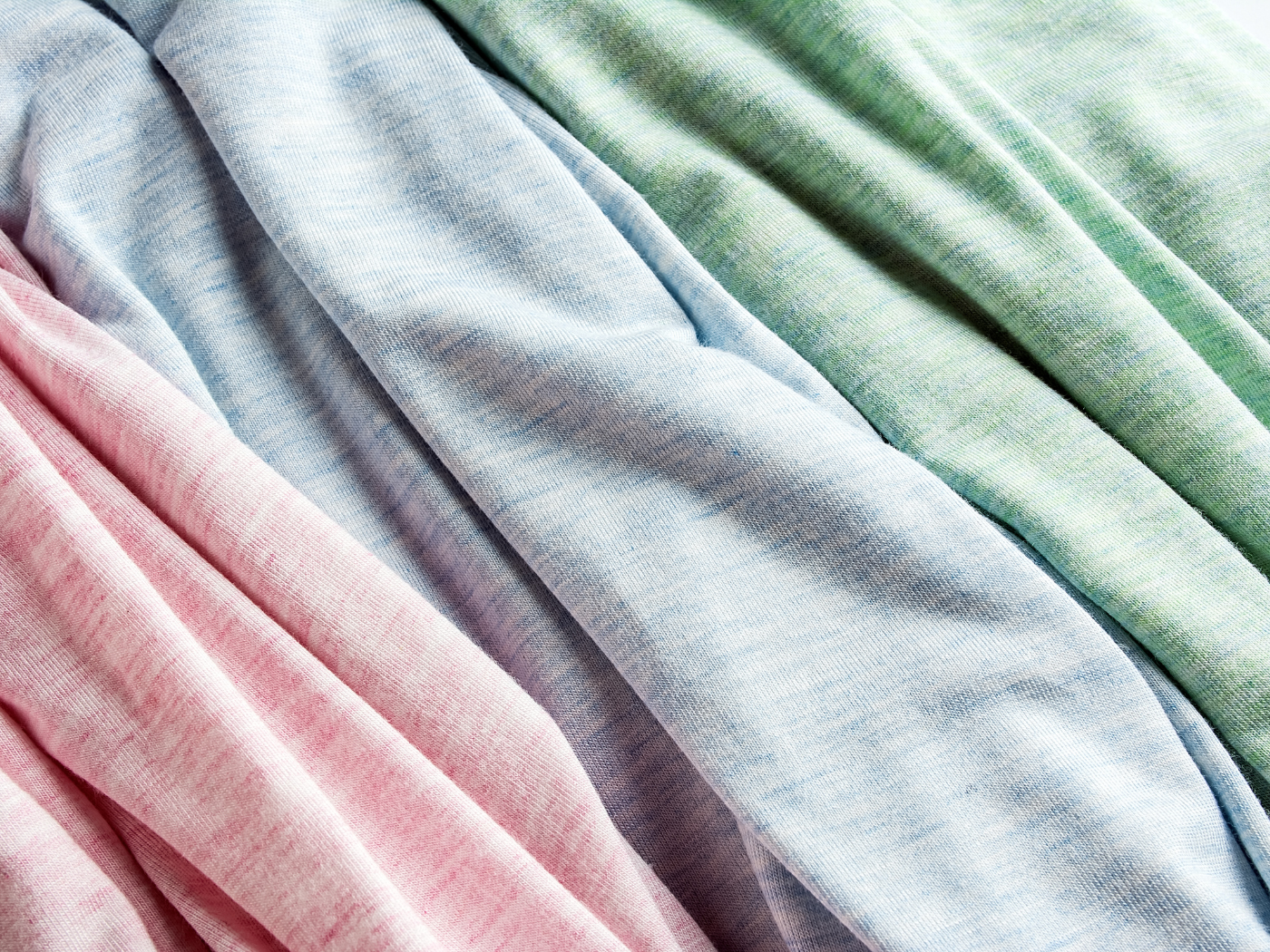
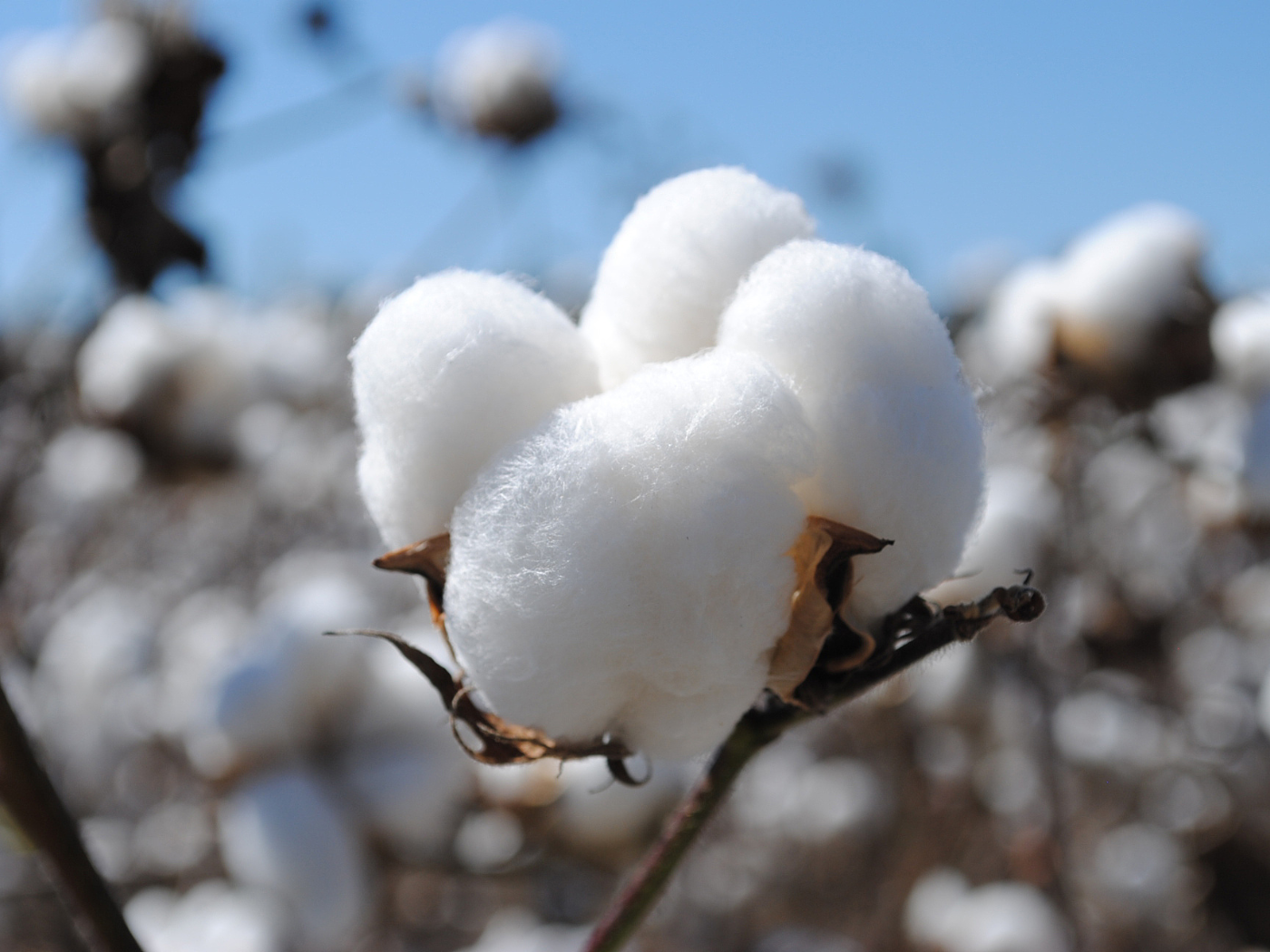
Choosing a manufacturer that uses environmentally friendly materials such as organic cotton and bamboo fiber is crucial. These materials are grown without the use of chemical pesticides and fertilizers and are environmentally friendly while being gentle and non-irritating to the baby's skin. For example, organic cotton is the material of choice for many sustainable baby clothing brands due to its breathability and softness. In addition, bamboo fiber is also widely welcomed because of its hygroscopicity and antibacterial properties.
·Organic cotton: Grown without pesticides and more skin friendly for babies.
·Bamboo fiber: Naturally antibacterial and low water consumption.
·Recycled polyester: made from recycled plastic bottles to reduce waste.
|
Material type |
Water consumption Index |
Carbon footprint |
Skin friendliness |
|
Organic cotton |
★★☆ |
★★☆ |
★★★★★ |
|
Bamboo fiber |
★☆☆ |
★★☆ |
★★★★☆ |
|
Recycled polyester |
★☆☆ |
★★★★ |
★★★☆☆ |
2. Check certifications and standards
Choosing an internationally certified brand is important, and a truly sustainable manufacturer should have internationally recognized environmental certifications such as:
Choosing a manufacturer with these certifications ensures that the product meets environmental standards, from raw materials to production.
3. Understand the manufacturer's production process
Transparent supply chains and production processes are key to choosing sustainable manufacturers. By knowing whether a manufacturer uses water-saving processes, reduces waste and uses recyclable materials, you can tell if it is truly committed to the environment. For example, some manufacturers are reducing their environmental impact by optimizing production processes, reducing resource waste, and using low-pollution processes.
4. Consider the durability and recyclability of the product
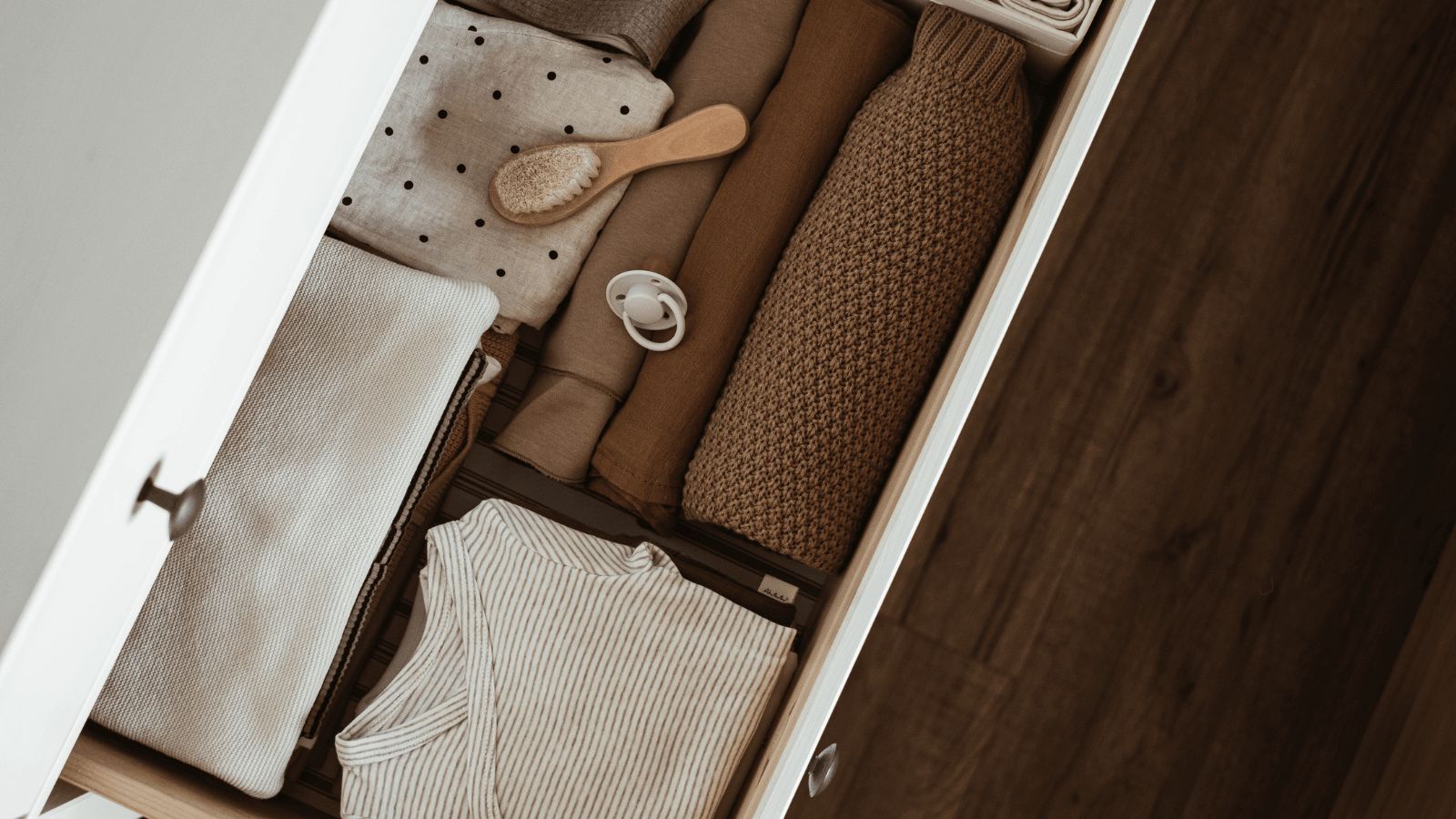
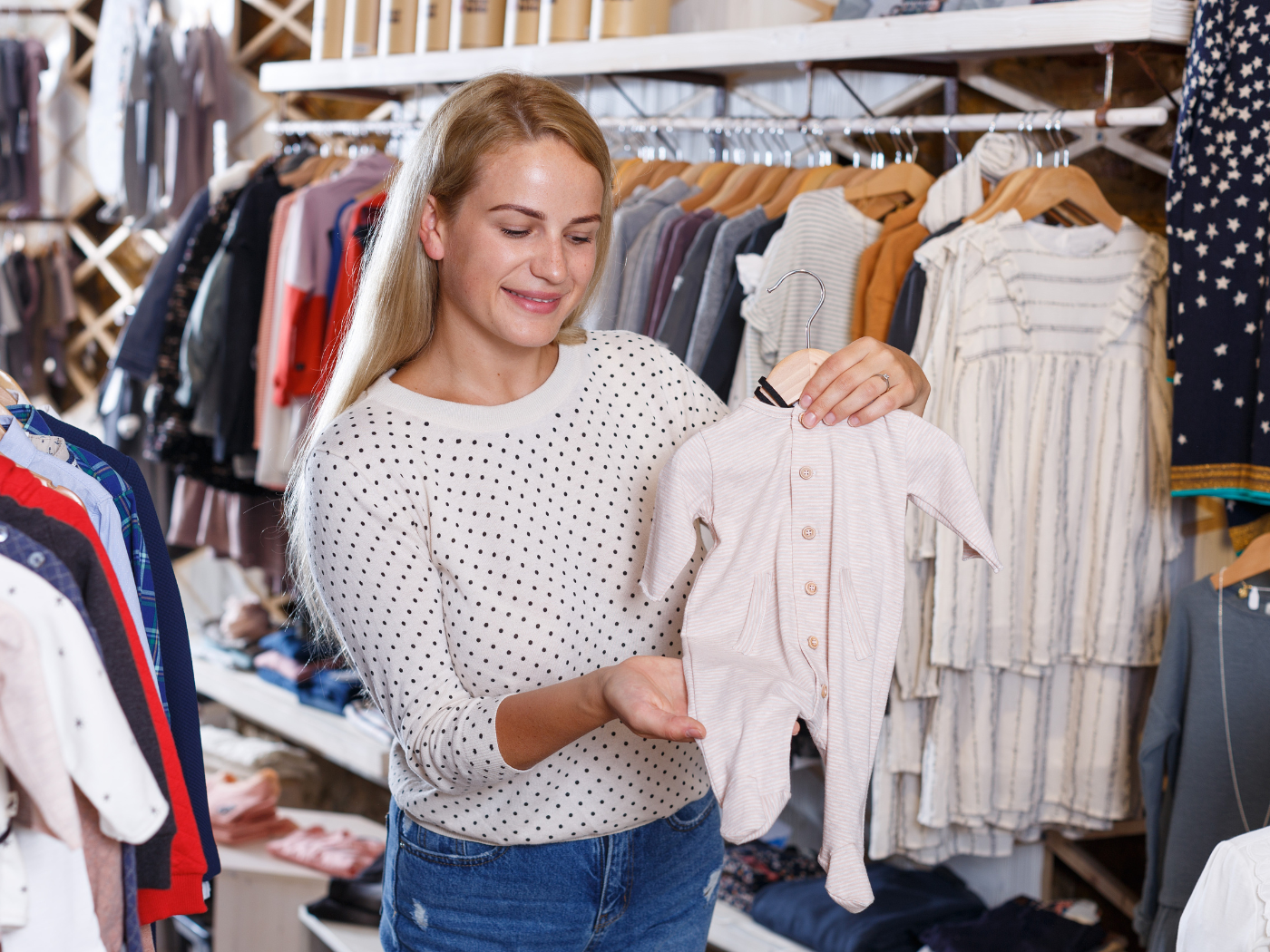
Choosing baby clothing that is durable and easy to clean can reduce waste of resources and extend the life of the product. For example, baby sets made of bamboo fiber are not only soft and comfortable, but also have good hygroscopic and antibacterial properties, which is very suitable for daily use. In addition, brands that support used or rental services can further reduce resource consumption.
5. Evaluate price and value for money
Although sustainable products are generally more expensive, they are more durable and environmentally friendly in the long run, so they have a higher price/performance ratio. For example, baby clothing made from high-quality, environmentally friendly materials, although the initial investment is high, its durability and safety make it a worthwhile choice.
Choosing the right sustainable baby clothing manufacturer to work with requires a combination of materials, certification, production processes, product durability and brand philosophy. With careful selection, you can not only provide safe and comfortable clothing for your baby, but also make a positive contribution to the future of the planet.
What's The Cheapest Way To Start A Baby Clothing Business?
How to choose bamboo fiber clothing for babies? A must-see guide for new parents
Related Article