Essential Certifications and Qualifications for Your Baby Clothing Supplier Selection
Choosing the right manufacturing partner is one of the most critical decisions your brand will make. The right supplier does more than produce garments—they become an extension of your brand's values and commitment to quality. For brands specializing in baby clothing and loungewear, verifying certifications and manufacturing qualifications isn't just a step in the sourcing process; it's a fundamental responsibility to the little ones who will wear your products and the parents who trust your brand.
When evaluating potential partners, several key certifications serve as indicators of a manufacturer's commitment to safety, quality and ethical practices. Understanding what these certifications mean and why they matter will help you make an informed decision that protects your brand's reputation.

Safety First: Non-Negotiable Certifications
The most reputable baby clothing manufacturer certifications prioritize product safety above all else. For infant apparel, this means ensuring fabrics and components are free from harmful substances that could irritate delicate skin or pose health risks.
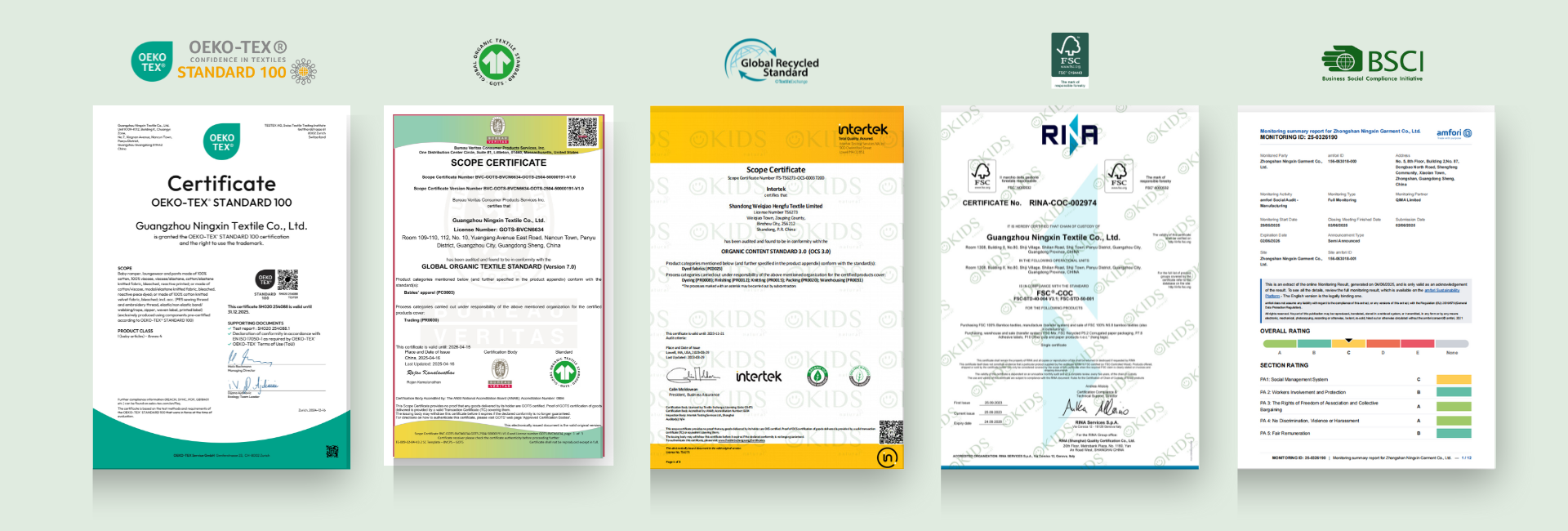
The OEKO-TEX® Standard 100 certification is crucial, as it verifies that every component of a garment—from the fabric to the thread and buttons—has been tested for over 100 harmful substances. For baby clothing, look specifically for OEKO-TEX® Class 1 certification, which denotes suitability for infants and is the strictest level regarding chemical safety.
The Global Organic Textile Standard (GOTS) is another essential certification, particularly for brands using organic materials. GOTS certification covers the entire production chain, from harvesting organic fibers to environmentally and socially responsible manufacturing. This certification ensures the organic integrity of the fabric and mandates strict environmental and social criteria throughout production.
For market-specific compliance, verify that your supplier adheres to regional regulations. In the United States, this includes CPSIA compliance, which sets limits on lead and phthalates. For the European market, REACH and EN 71 standards regulate chemical content and safety. In China, the mandatory GB 31701-2015 standard sets stringent requirements for chemical residues, physical safety features like cords and attachments and flammability.

Assessing Manufacturing Excellence and Ethical Compliance
Beyond product safety certifications, a manufacturer's overall qualifications reveal their capability to deliver consistent quality and operate responsibly. Social compliance certifications have become increasingly important for brands that prioritize ethical production.
A manufacturer's commitment to ethical practices is often verified through audits like the Social Accountability Standard (SA8000) or BSCI (Business Social Compliance Initiative) certification. These standards ensure fair labor practices, safe working conditions and fair wages. Leading brands like Carter's implement rigorous social responsibility audits for their suppliers, underscoring the importance of ethical manufacturing in the children's wear sector.
ISO 9001 certification indicates that a manufacturer has implemented a robust quality management system, which typically translates to more consistent product quality and reliable processes. While not specific to textiles, this certification demonstrates a systematic approach to quality control that minimizes defects and ensures consistency.
A Practical Approach to Verification
Simply asking a potential supplier if they have certifications is not enough. Reputable manufacturers will readily provide their certification numbers and documentation. You should verify these credentials directly through the certifying bodies' online databases, as both GOTS and OEKO-TEX® maintain public databases where you can confirm certification status using the supplier's referenced number.
When evaluating a baby clothing manufacturer, consider requesting samples from their production lines for independent testing. This extra step provides peace of mind that the products meet your specific quality expectations. Additionally, ask potential partners about their internal quality control processes, testing frequency and how they manage material traceability throughout their supply chain.

Beyond Certifications: Building a Partnership
While certifications provide crucial verification of safety and quality standards, they represent just one aspect of selecting the right manufacturing partner. The ideal supplier relationship extends beyond transactions to become a true collaboration. Look for manufacturers with proven experience specifically in baby wear production, as they will understand the unique design considerations, sizing requirements and safety features essential for infant apparel.
Transparent communication, responsiveness to your specific needs and flexibility in accommodating custom designs or smaller initial runs are all indicators of a partner invested in your brand's success. The right manufacturer should help you navigate complex compliance requirements while delivering products that align with your quality expectations and brand values.
Selecting a manufacturing partner with the proper baby clothing manufacturer certifications and qualifications establishes a foundation of trust and quality for your brand. By prioritizing verified safety standards, ethical manufacturing practices and transparent partnerships, you can build a collection that delights customers and earns the trust of parents.
Why Certifications Like OEKO-TEX and BSCI Matter in Pyjamas Manufacturing
2026 Pajama Style Forecast: Where Luxury Meets Sustainable Innovation
Related Article