Choosing the Right Fabric Weight for Different Garment Types: A Comprehensive Guide
In the textile industry, understanding fabric weight—measured in grams per square meter (g/m²)—is essential for producing garments that offer optimal comfort, functionality, and seasonality. Fabric weight directly influences a material's thickness, durability, and suitability for specific clothing categories. For manufacturers focusing on infant clothing and pajamas, selecting the appropriate weight ensures product quality and customer satisfaction.
-
Lightweight Fabrics (80–200 g/m²)
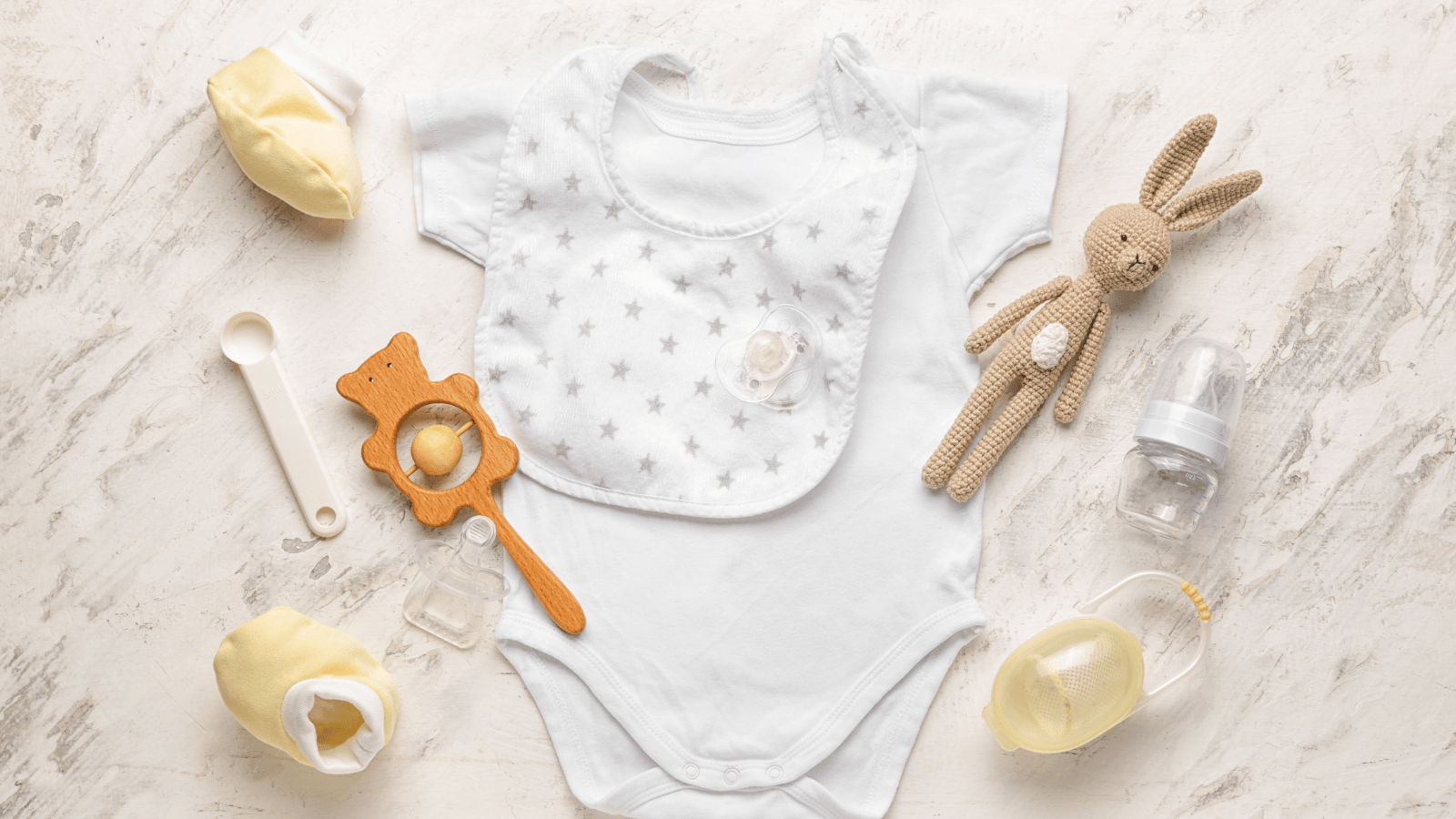
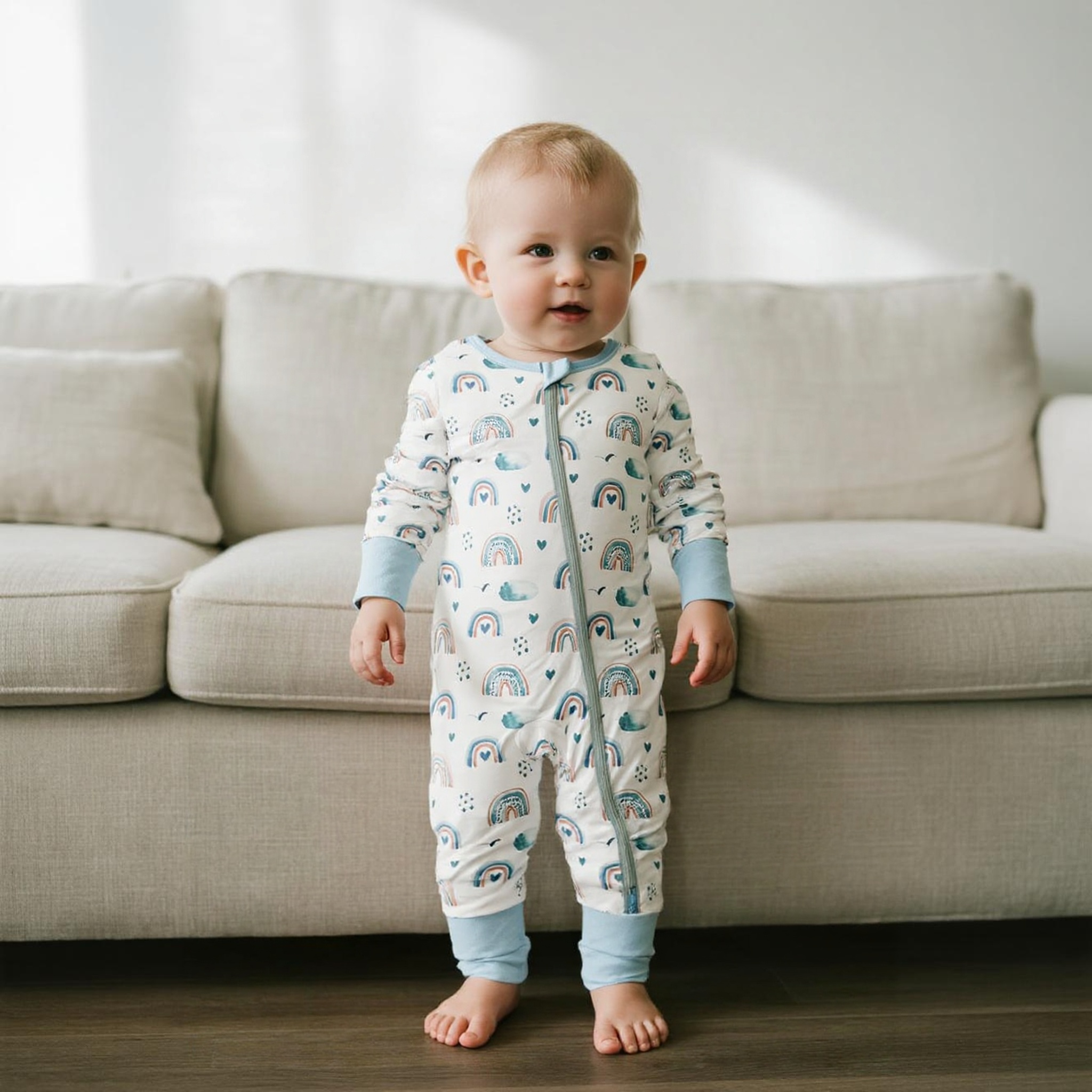
Ideal for summer and lightweight garments, these fabrics are breathable, soft, and perfect for items requiring high airflow. For baby clothes, weights around 130 g/m² (e.g., in cotton) provide warmth without overheating, making them suitable for newborn bodysuits and lightweight sleepwear. In pajamas, fabrics like 80–120 g/m² cotton or bamboo blends are excellent for T-shirts and loose-fitting loungewear, as they offer moisture-wicking properties and coolness. Lightweight materials are also preferred for base layers and inner linings in multi-garment sets.


-
Medium-Weight Fabrics (200–300 g/m²)
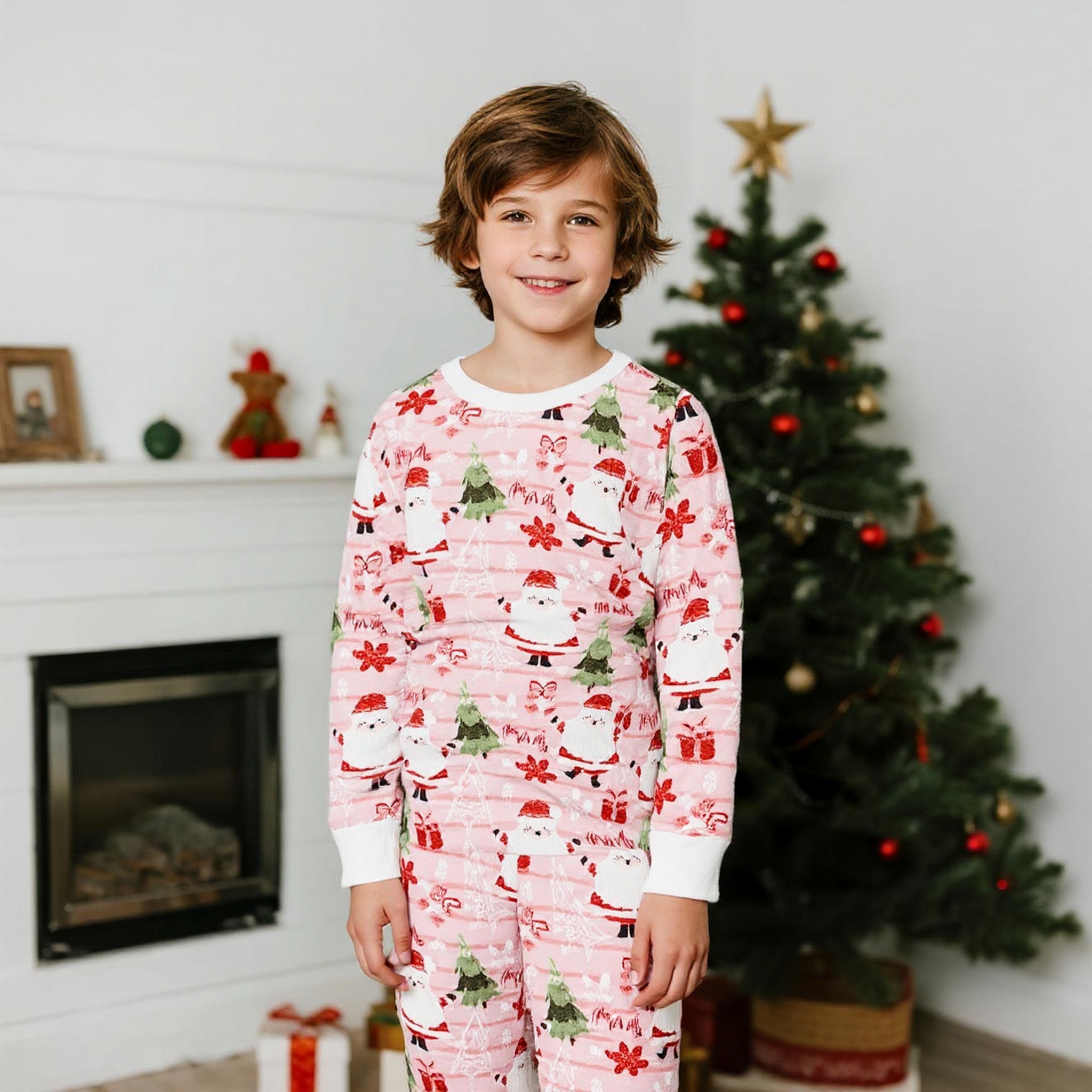
This range offers versatility for year-round use. For baby clothes, weights of 200–250 g/m² work well in long-sleeved bodysuits or transitional outerwear, providing insulation without bulk. In pajamas, fabrics like 220–240 g/m² cotton or cotton-polyester blends are ideal for robes and pajamas, balancing warmth and breathability for spring/autumn wear. Medium-weight materials also excel in daily casual wear, such as polo shirts or dresses, where structure and moderate thermal regulation are key.




-
Heavyweight Fabrics (300+ g/m²)
Designed for cold climates and durability, these fabrics provide superior warmth and opacity. In baby clothes, weights exceeding 290 g/m² (e.g., in brushed cotton or wool blends) are used for winter outerwear, thick onesies, and protective layers. For pajamas, fabrics like 400 g/m² fleece or terry cotton are perfect for winter robes, insulated pajamas, and thermal sets, ensuring comfort in low temperatures. Heavyweight materials also serve well in utility garments like jackets or padded uniforms, where resilience and heat retention are critical.



Beyond weight, factors like fiber content (e.g., cotton for breathability, polyester for durability) and weave density impact performance. For instance, blended fabrics (e.g., cotton-polyester) enhance shrink resistance and shape retention. Always prioritize safety standards (e.g., Class A for infant textiles) and test for softness, colorfastness, and compliance with industry regulations.
Understanding fabric weight empowers brands to create garments that align with functional needs and seasonal demands. By leveraging this knowledge, manufacturers can deliver superior products that resonate with end-users' lifestyles.
The Essential Role of Pajamas and Homewear in Modern Living
Choosing the Right Sleep Sacks for Babies and Children
Related Article