The Tide of Fast Fashion: Impacts on Consumption and Brand Strategy
In the surge of the fashion industry, Fast Fashion is sweeping the globe at an unprecedented pace. It has not only transformed consumer shopping patterns but also profoundly influenced the development strategies of brands. As an integrated design-production company specializing in infant clothing and homewear, we deeply recognize the significance of fast fashion in the market while also acknowledging the inherent advantages and challenges it presents. This article will explore the relationship between fast fashion's rapid response mechanisms, design innovation, consumer waiting behavior, and its impact on brand profitability, all from the perspective of balancing consumer behavior and brand strategy.

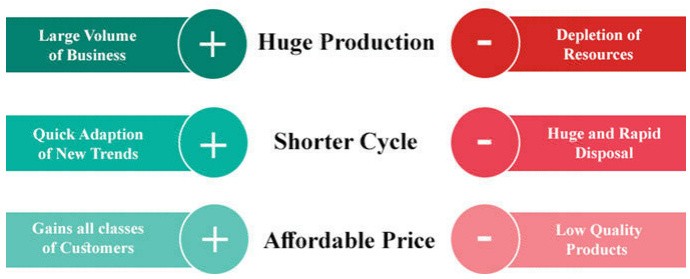
The core strength of fast fashion lies in its characteristic "speed." Through efficient supply chain management, flexible design processes, and keen market insight, fast fashion brands can transform the latest trends into products in a very short time. This mechanism enables brands to swiftly capture market shifts and satisfy the consumer demand for "instant fashion." For instance, some fast fashion brands complete the entire process from design to shelf placement within weeks, significantly faster than the traditional two-season cycle.
2. The Relationship Between Design Innovation and Consumer Waiting Behavior
Rather than being truly original, the design innovation of fast fashion often involves imitation and adaptation of designs from luxury brands. Many fast fashion brands replicate the latest styles from high-end designers, offering them to mass consumers at lower prices. While this practice lowers the purchase barrier for consumers, it also weakens the brand's inherent innovative capability. Furthermore, fast fashion brands often lack distinctiveness in design, making it difficult for consumers to feel compelled to buy when faced with numerous similar products.
Simultaneously, consumer behavior is constantly evolving. With growing environmental awareness, an increasing number of consumers are focusing on product sustainability and ethical production. They are no longer content solely with pursuing trends; they also want their purchases to reflect environmental and social responsibility. This trend imposes higher demands on fast fashion brands, compelling them to place greater emphasis on eco-friendliness and sustainability throughout the design and production process.
3. Impact of Fast Fashion on Brand Profitability
Fast fashion's rapid response mechanism and low-cost strategy enable brands to achieve high sales volumes and profits in a short period. By compressing supply chain costs, reducing inventory pressure, and increasing product turnover rates, fast fashion brands can realize high profit margins. Additionally, the rise of online sales channels provides more lucrative opportunities for these brands. Online platforms not only reduce rental and labor costs but also allow for optimization of sales strategies through precise marketing and data analysis.
However, fast fashion's high profitability is accompanied by risks. On one hand, due to the rapid product cycle, consumer brand loyalty tends to be low. Any quality issues or negative publicity can cause brands to lose market share rapidly. On the other hand, fast fashion brands face significant pressure in supply chain management, particularly when sourcing stable and reasonably priced suppliers globally. Furthermore, these brands encounter challenges in intellectual property protection, with many facing lawsuits due to design copying allegations.

4. Balancing the Strategy: The Path Forward for Brands
Facing the opportunities and challenges brought by fast fashion, brands must find a balance between innovation and efficiency. On one hand, brands should enhance design innovation, improving product uniqueness and added value through original designs. On the other hand, brands should prioritize sustainability by adopting eco-friendly materials and optimizing supply chain management to reduce environmental impact. Additionally, brands need to stay attuned to shifts in consumer behavior, increasing loyalty and satisfaction through personalized services and enhanced shopping experiences.
5. Conclusion
As an efficient business model, fast fashion has indeed played a significant role in meeting consumer demands and enhancing brand profitability. However, its rapid response mechanisms and low-cost strategies also introduce numerous challenges, particularly concerning design innovation, consumer behavior, and corporate social responsibility. In the future, fast fashion brands need to place greater emphasis on sustainable development and consumer experience while pursuing speed and efficiency, in order to achieve long-term market competitiveness and brand value.
Bamboo Fiber: Sustainable, Antibacterial & Comfortable Textile Revolution
The Key to Breaking Through the Noise: Boosting Market Awareness for Baby and Loungewear Through Content Marketing and User Engagement
Related Article