What's Loungewear and Pajamas? What Is the Difference Between Them, and What Are the Trends for Both in 2025?
What is Loungewear?
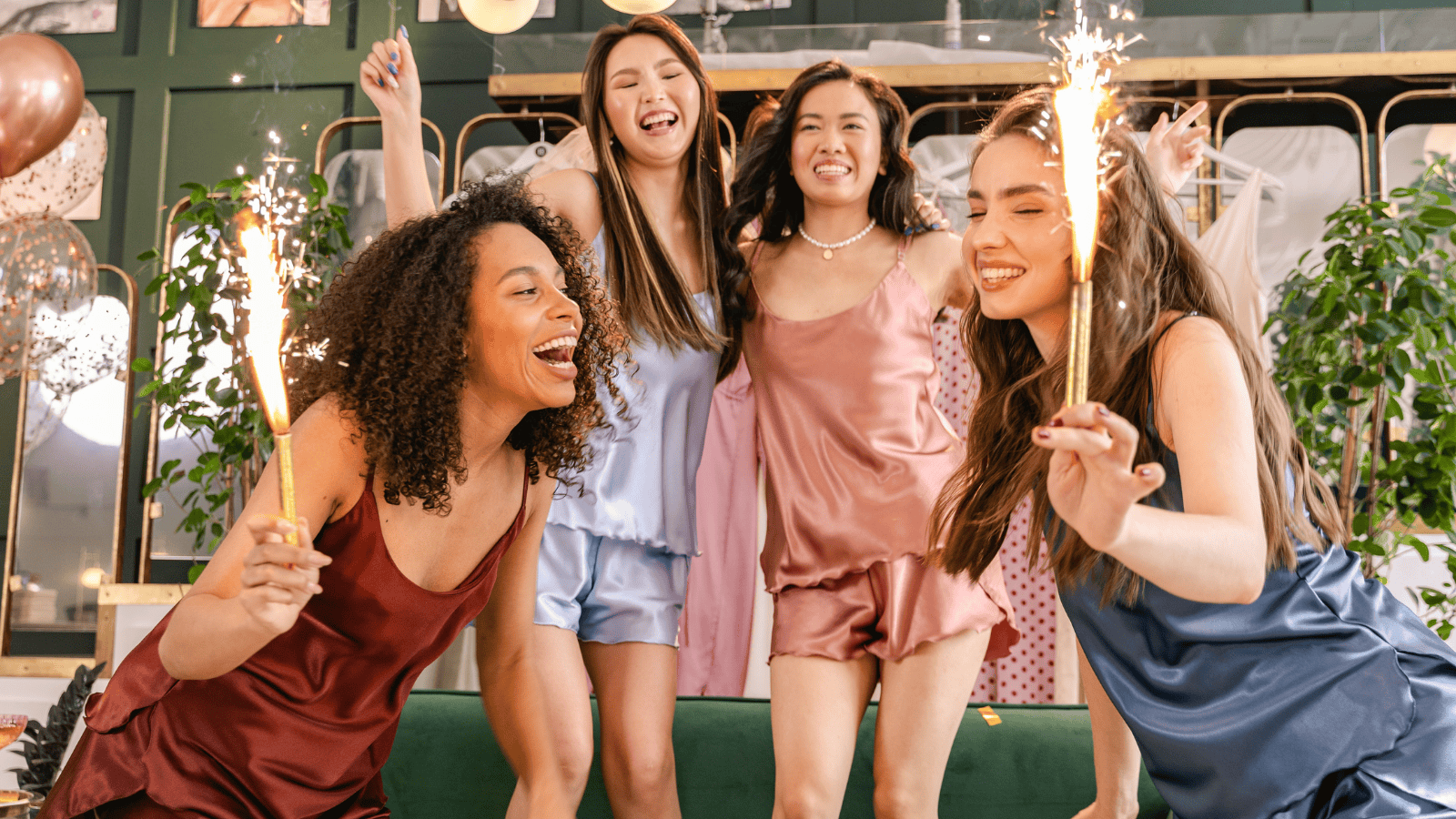
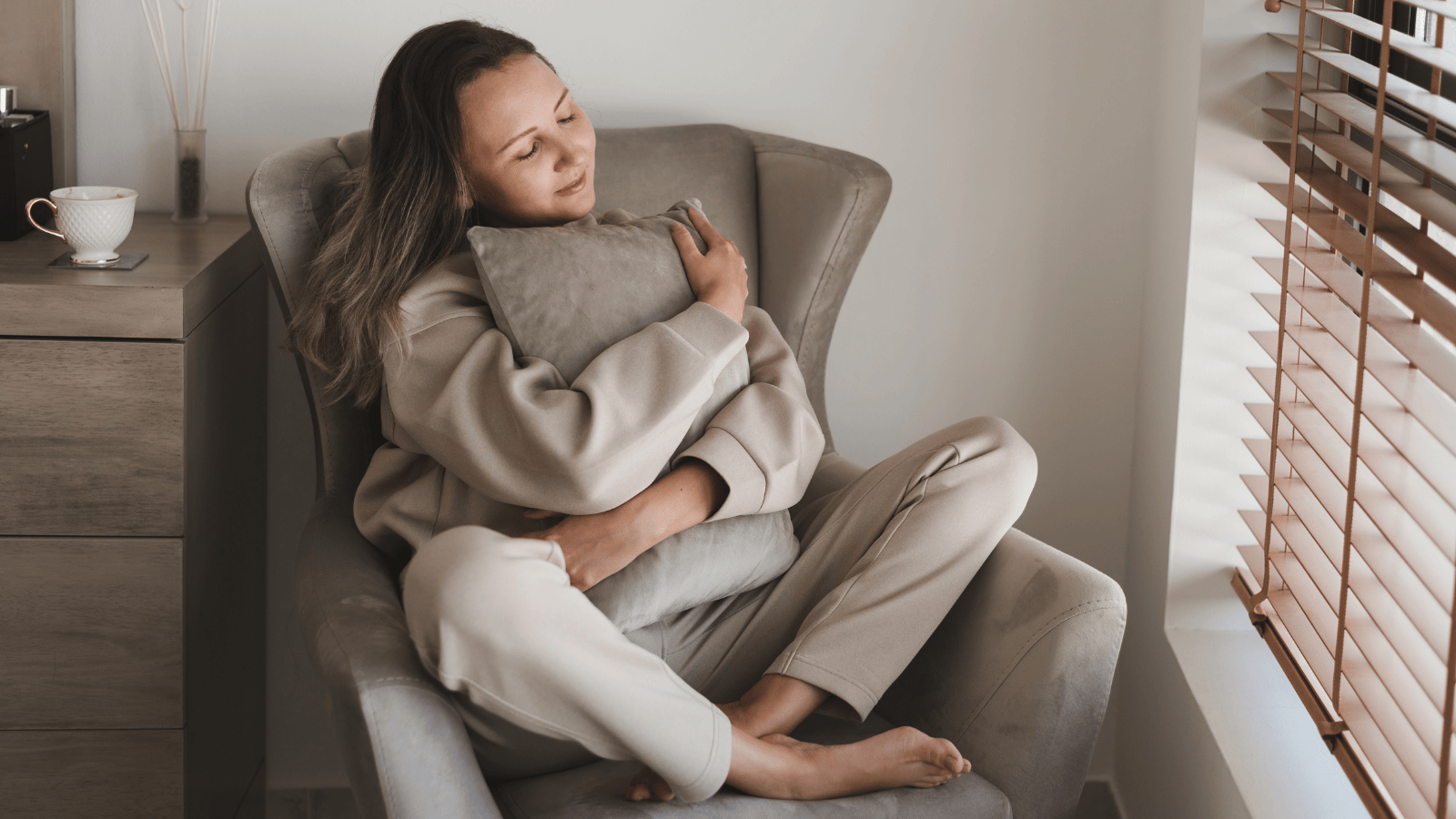
Loungewear is a type of clothing designed for comfort and relaxation, typically worn at home or in casual settings. It is characterized by its soft, flexible fabrics such as cotton, fleece, silk, and spandex, and is often designed to be both stylish and presentable. Unlike traditional sleepwear, loungewear can be worn in public settings, making it a versatile option for those who want to look good while staying comfortable. For example, you might wear a pair of lounge pants with a casual top for a day out or a Zoom call .
Some popular examples of loungewear include oversized t-shirts, sweatpants, hoodies, and even robes. The key characteristic of loungewear is that it is designed to be worn in a relaxed environment, but it is not limited to the bedroom. In fact, many people now wear loungewear as part of their everyday wardrobe, blurring the lines between casual and formal wear.
What is Pajamas?
Pajamas, on the other hand, are specifically designed for sleep. They are typically made from lightweight, breathable fabrics such as cotton, silk, or flannel, and are intended to be worn only in the privacy of one's home. Pajamas come in a variety of styles, including two-piece sets, one-piece jumpsuits, and nightgowns. While some pajamas may feature fun prints or bright colors, others are designed to be more subdued and practical for bedtime .
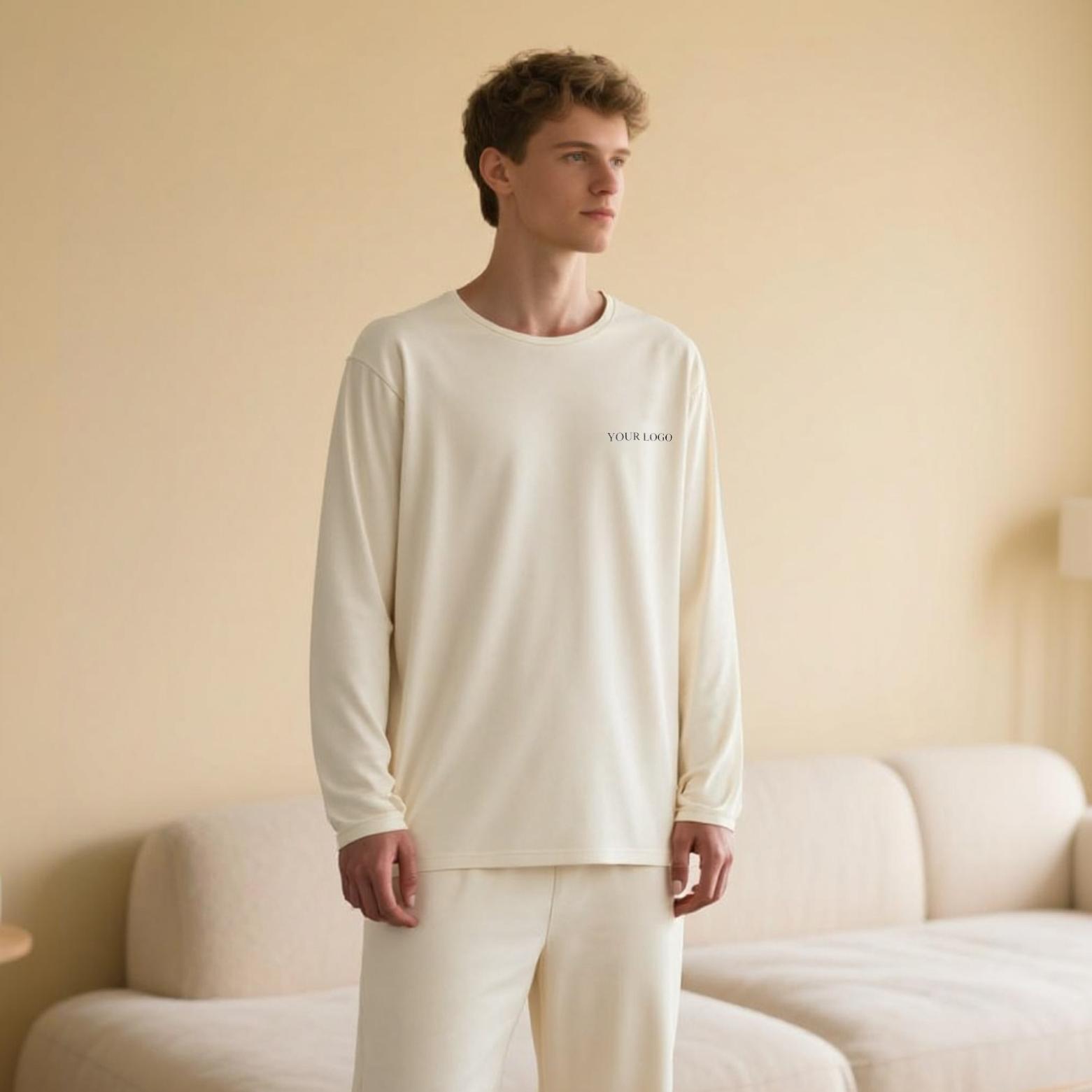
The key difference between loungewear and pajamas lies in their intended use. Loungewear is meant to be worn in a relaxed, comfortable setting, while pajamas are specifically designed for sleep. Additionally, pajamas are often made from lighter fabrics to ensure breathability during the night, whereas loungewear may use heavier fabrics for warmth and comfort .


Key Differences Between Loungewear and Pajamas
|
Aspect |
Loungewear |
Pajamas |
|
Intended Use |
Casual, home, or public settings |
Sleep only |
|
Fabric |
Soft, flexible, and often stretchy |
Lightweight, breathable, and comfortable |
|
Fit |
Relaxed and loose |
Snug and form-fitting |
|
Versatility |
Can be worn in public |
Best kept at home |
|
Style |
Fashion-forward and trendy |
Practical and functional |
Trends for Loungewear and Pajamas in 2025
In 2025, both loungewear and pajamas continue to evolve, with new trends emerging in terms of design, materials, and consumer preferences.
Loungewear Trends in 2025
1. Sustainability and Eco-Friendly Materials: With increasing awareness of environmental issues, there is a growing demand for eco-friendly loungewear. Brands are incorporating organic cotton, recycled polyester, and other sustainable materials into their collections. This trend is particularly relevant for families who prioritize both comfort and sustainability .
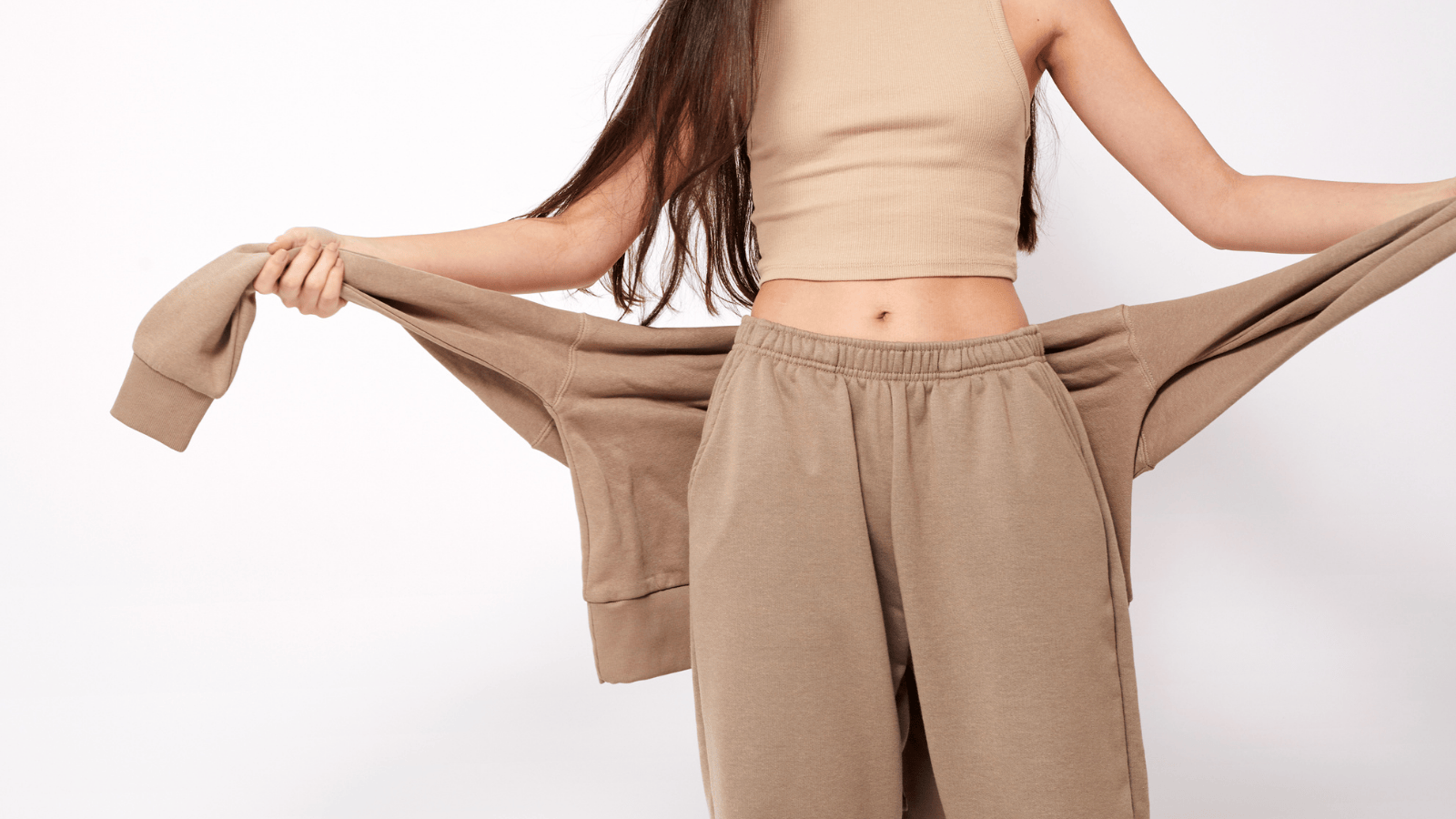
2. Minimalist and Neutral Colors: While bold prints and patterns were popular in the past, minimalist and neutral colors are gaining traction in 2023. These colors offer a timeless and versatile look that can be easily paired with other wardrobe essentials.
3. Functional and Practical Designs: Loungewear is becoming more functional, with features such as pockets, adjustable waistbands, and multi-use designs. These practical elements make loungewear suitable for a wider range of activities, from working from home to running errands.
4. Luxury and High-End Fabrics: There is a growing trend towards luxury loungewear, with brands using high-quality fabrics like silk, cashmere, and premium cotton. This trend is especially evident in the baby and children's market, where parents are willing to invest in high-quality, comfortable clothing for their little ones.
Pajama Trends in 2025
1. Comfort and Breathability: As temperatures fluctuate throughout the year, there is a growing demand for pajamas that are both warm and breathable. Brands are introducing new materials such as bamboo silk, bamboo viscose, and moisture-wicking fabrics to meet this demand.
2. Stylish and Fashionable Designs: While pajamas have traditionally been associated with comfort, they are now being designed with fashion in mind. Brands are offering stylish and trendy pajama sets that can be worn as part of a loungewear ensemble or even as a night-out outfit.
3. Personalization and Customization: Consumers are increasingly looking for personalized and customizable pajama options. This includes everything from monogrammed designs to custom-fit sizes, allowing individuals to express their unique style and preferences.
4. Health and Wellness Focus: With the rise of health and wellness trends, there is a growing interest in pajamas that support better sleep. This includes features such as temperature-regulating fabrics, hypoallergenic materials, and ergonomic designs that promote restful sleep.
Conclusion
In conclusion, while loungewear and pajamas share some similarities in terms of comfort and relaxation, they serve different purposes and are designed with distinct features. Loungewear is ideal for casual, everyday wear, while pajamas are specifically designed for sleep. In 2025, both categories are evolving to meet the changing needs and preferences of consumers, with a focus on sustainability, functionality, and style.
For our company, this means that we can continue to innovate and expand our product lines to cater to a wider range of customer needs. Whether it's developing new eco-friendly loungewear collections or introducing stylish and functional pajama sets, we have the opportunity to lead the market in both comfort and innovation.
How to Choose Baby Clothes: Types, Brands, and Safety Tips
How to Choose Garment Labels: Best Materials for Comfort & Branding
Related Article