From Craftsmanship to Artistry: Principles of Value Leapfrogging in Apparel Luxury Transformation
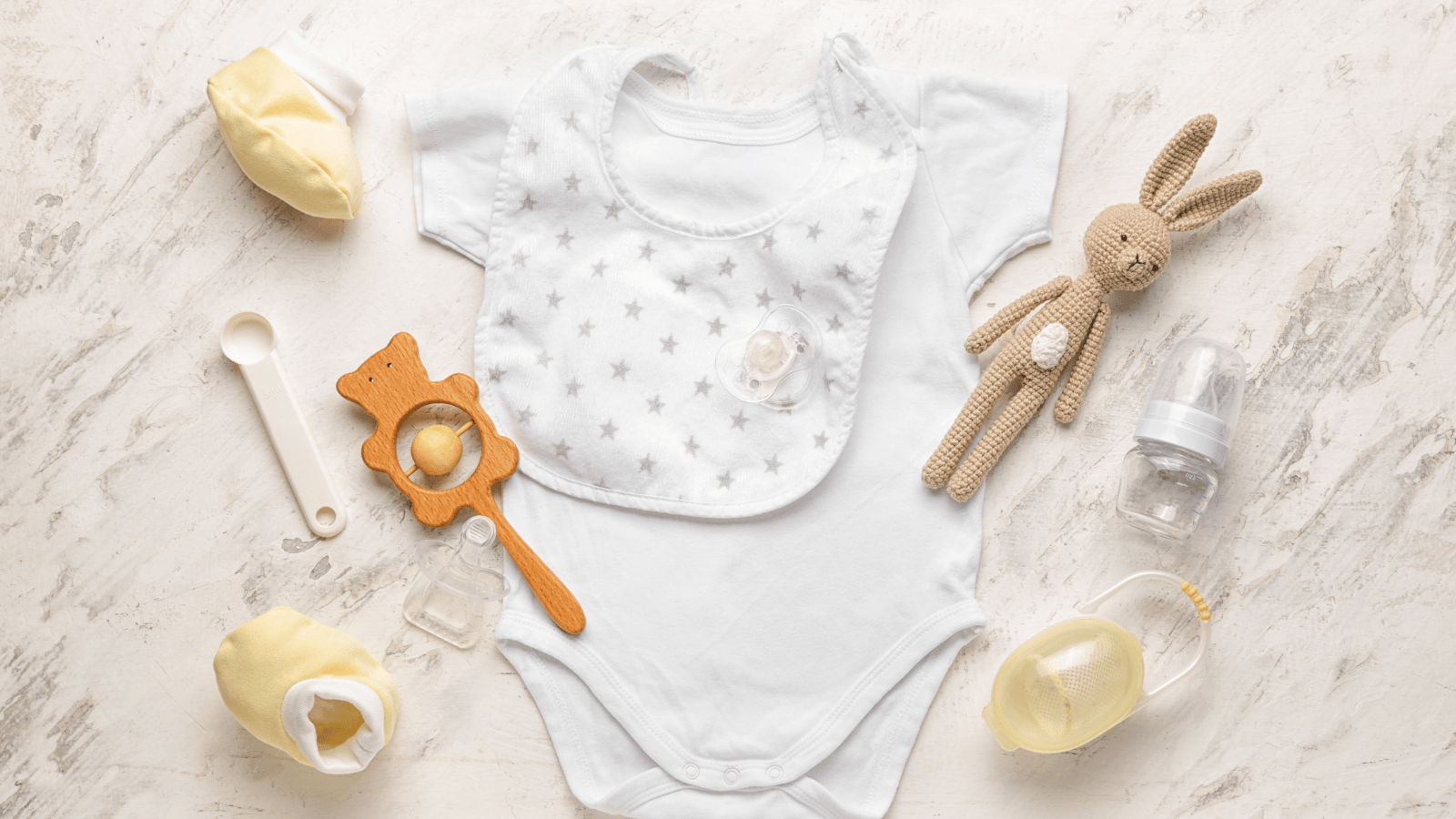
In the red ocean of apparel manufacturing, the disparity between a ¥3,000 infant garment and its ¥300 counterpart extends far beyond a tenfold price premium. The essence of luxury lies in the triumph of emotional economics—when retailers pay premiums for your OEM orders, they purchase not merely fabric, but bestowed identity and aesthetic surplus value. As a vertically integrated enterprise specializing in loungewear and infant wear, the shift toward high-end requires reconstructing three value dimensions: obsession with materials & craftsmanship, alchemy of cultural storytelling, and precision-engineered scarcity.
Material & Craftsmanship Obsession constitutes the first barrier between luxury and mass-market goods. While ordinary loungewear stops at "passing quality inspection," luxury begins with traceable rare materials and anti-efficient handcrafted rituals. Example: In infant wear, mass products use Class-A cotton, while luxury brands source 14.5μm superfine merino wool—exclusively from 3 global pastures. Each garment includes a QR code tracing to "morning mist in golden pasture belts at 38°N latitude," enabling retailers to narrate fiber origin stories to clients. Technically, heavy embroidery demands 0.2mm stitch density (industry standard: 0.5mm), and a silk robe's hand-rolled hem consumes 120 labor hours versus 15 minutes for assembly-line output. Such "time luxury" becomes core currency for B2B clients to justify value to end consumers.

The alchemy of cultural narrative
The Alchemy of Cultural Storytelling serves as luxury brands' ultimate means to transform products into emotional vessels. While typical OEMs tout "95% breathability meets national standard," luxury manufacturers embed cultural narratives into fabrics. Japanese brand Nishiyama links infant wear dyeing techniques to "life totems", including artisan-handwritten blessing cards—commanding 300% premiums for "birth ritual significance". Chinese OEM Silk Road Workshop pairs Suzhou embroidery textiles for European brands with "Jiangnan Silk: 24 Solar Terms Cultivation Chronicle", turning crop cycles into brand equity. Such cultural DNA infusion not only fuels premium pricing but forges emotional bonds with consumers.
Precise control of scarcity
Precision-Engineered Scarcity constitutes luxury brands' core tactic to manufacture exclusivity. While Hermès employs "prespend requirements" (配货制), manufacturers engineer scarcity through affordable-luxury tactics and service-enhanced value. Examples:
Co-developing limited-edition fabrics with intangible heritage workshops—annual yield: 500 meters with unique serial numbers—granting B2B clients "exclusive distribution rights";
Providing retailers "client heritage archive systems" documenting maintenance histories, transmuting infant wear into heirloom assets. Such calibrated rarity elevates collectible value while cementing the brand's unique status in consumers' minds.

The path for the high-end transformation of industrial and trade enterprises
For manufacturing-trading enterprises, high-end transformation pivots on three core pathways: craftsmanship elevation, cultural supply chain revolution, and sustainable luxury.
Craftsmanship Elevation: Build trust through millimeter-scale differentiators. Example: Layering EU ECOLABEL certification ("zero fluorescent agents + botanical dyes") atop Class-A standards; reducing seam binding from 2mm to 1.5mm—this 0.5mm gap targets affluent clients' tactile sensitivity thresholds.
Technological Empowerment: Adopting cold-transfer printing slashes water usage by 50%; substituting corn fiber for synthetics converts eco-pledges into price premiums.
Sustainable luxury: Sustainable luxury has emerged as a non-negotiable strategic imperative for future luxury brands. With 73% of European and American boutiques now incorporating carbon footprint reports into procurement decisions, brands must establish transparent supply chain systems that trace each product's carbon emissions from yarn to garment. Switching to biodegradable packaging—such as replacing PVC gift boxes with linen storage cases—increases terminal display costs by 15% yet expands premium margins by 40%, demonstrating how environmental commitments align with consumer expectations while elevating brand responsibility.
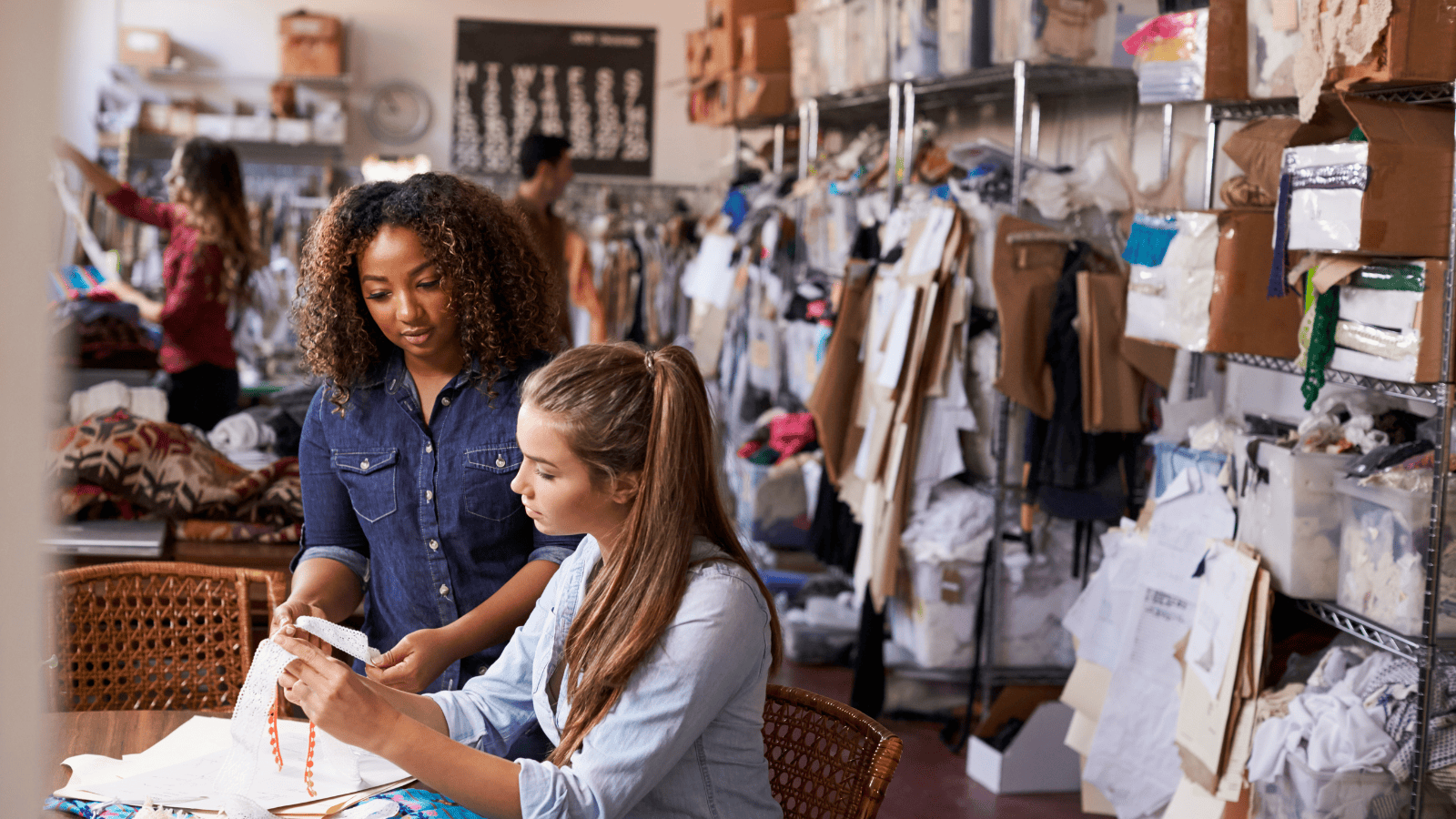
The golden formula for affordable luxury transformation lies in accessible-luxury experimentation, collaborative leverage, and digital heritage preservation. For infant sleep sacks, combining organic silk with hand-quilting raises material costs by ¥200 but enables wholesale pricing at triple traditional rates, positioning it as a gateway to premium collections. Retailers implementing sensory-rich museum-style displays with soft-lit showcases and wooden hangers instantly elevate standard shelves to boutique standards. Collaborative projects—like a Dongguan OEM partnering with Gen-Z ink painters to imprint Classic of Mountains and Seas mythical beasts on children's robes—showcase cultural infusion's power: with merely ¥50,000 in licensing fees, products entered Harrods at £200/unit, proving cultural barriers outperform material R&D costs. Meanwhile, embedding QR codes in product tags linking to 4K documentaries of artisans' craftsmanship drives a 34% repeat-purchase rate as consumers “touch the craftsman's warmth,” transforming emotional engagement into commercial value.
The essence of apparel luxury transformation lies in transcending industrial logic into an artistic philosophy. Through obsessive material craftsmanship, cultural alchemy, and orchestrated scarcity, it achieves a qualitative leap from "product functionality" to emotional assets. This metamorphosis not only reconfigures value distribution across the industrial chain but also redefines the core of luxury—no longer a profligate expenditure of resources, but the ultimate expression of human artistry, cultural wisdom, and planetary responsibility.
Sustainable, Scalable, Stylish: The Triple Advantage of Blank Apparel
From Inspiration to Shelf: The Systematic Journey of Apparel Concept Realization
Related Article