2026 Pajama Style Forecast: Where Luxury Meets Sustainable Innovation
The 2026 pajama style forecast reveals a market shaped by hybrid lifestyles, sustainability imperatives, and technological advancements. This pajamas style forecast highlights how sleepwear is evolving into versatile, multi-functional wardrobe staples, demanding collaboration with a skilled pajamas manufacturer to align production with emerging trends. Here's a concise overview of key developments for industry professionals.
1. Hybrid Designs: The Rise of "Day-to-Night" Pajamas
The boundary between home, work, and social spaces has blurred, accelerating demand for pajamas that transition seamlessly across settings. Versatility is now the primary driver of purchasing decisions, with designs balancing comfort and sophistication. For example, formal loungewear incorporates tailored silhouettes—such as trousers with buckle accents or curved collars—enabling wearers to move from remote work to casual outings without sacrificing elegance.
Major fashion houses like Prada, Max Mara, and Dolce & Gabbana have embraced this trend, integrating sleepwear elements into ready-to-wear collections. Dolce & Gabbana's 2026 "Pyjama Boys" series, for instance, redefines modern masculinity through relaxed yet refined silk sets paired with structured blazers. For brands, partnering with a pajamas manufacturer capable of precision cutting and advanced construction techniques is critical to achieving this balance.

2. Sustainable Materials and Performance Fabrics
Sustainability is no longer optional; it's a baseline expectation. The 2026 pajama style forecast emphasizes eco-friendly materials like organic cotton, bamboo, and Tencel, which combine softness with reduced environmental impact. Certifications such as GOTS (Global Organic Textile Standard) serve as key differentiators for B2B clients seeking transparent supply chains.
Concurrently, performance fabrics are gaining traction. Temperature-regulating blends, moisture-wicking bamboo, and anti-odor treatments enhance functionality, appealing to consumers prioritizing wellness. A forward-thinking pajamas manufacturer can integrate these technologies while maintaining luxury aesthetics—for example, by using silk-bamboo blends for breathable, high-shine sets.
3. Key Styles Dominating 2026 Collections
• Tie-Front Pajamas: Signature bow details and butterfly accents refresh classic silhouettes, offering mix-and-match versatility for personalized styling.
• Body-Hugging Knit Sets: Stretchy jersey fabrics provide fluid, modern silhouettes ideal for both lounging and errands.
• Short Slips & Luxe Kimonos: Once reserved for bedrooms, these pieces now double as evening wear or cover-ups, featuring delicate lace, bold prints, and graceful draping.



4. Color Palettes and Patterns: Subtle Nuances
Color trends diverge into two directions:
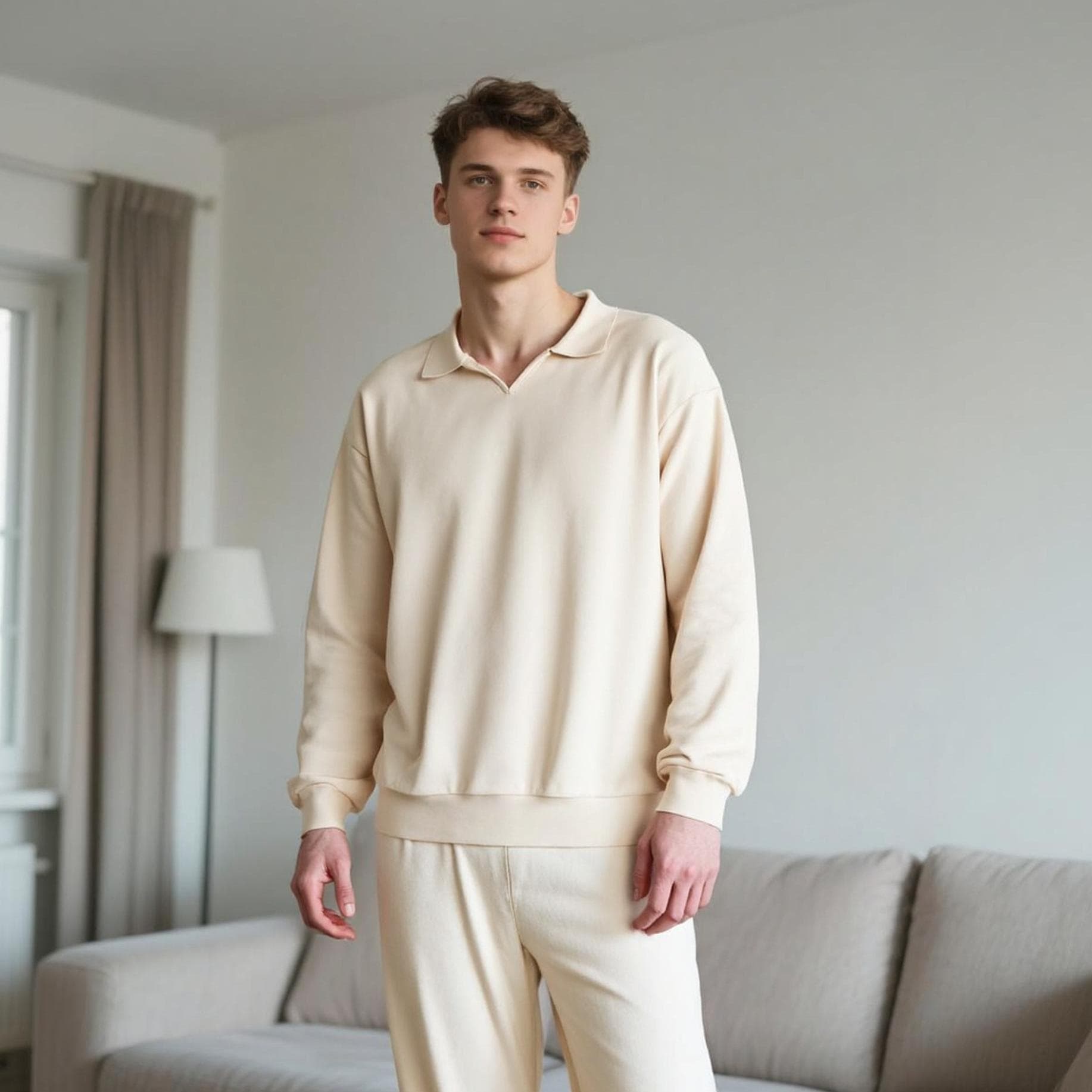
• Soothing Neutrals: Naked pinks, cream whites, and tea browns promote relaxation, aligning with self-care themes.
• Bold Expressions: Jewel tones (sapphire, emerald) and playful patterns (small florals, geometric prints) cater to fashion-forward consumers viewing sleepwear as a style statement.
5. Strategic Implications for Industry Partners
• Manufacturing Agility: Design complexity requires a pajamas manufacturer adept with diverse materials—from structured cottons to delicate silks—while ensuring consistent quality and ethical production.
• Market Opportunities: The menswear segment shows strong growth potential, exemplified by Dolce & Gabbana's gender-neutral "Pyjama Boys" collection. Luxury materials like silk satin also appeal to gifting and holiday sales peaks.
• Tech Integration: Smart textiles (e.g., temperature-regulating fabrics) represent the next frontier. Brands collaborating with innovative manufacturers will lead in functionality-driven segments.

Conclusion: Positioning for 2026 Success
The 2026 pajama style forecast underscores a market where comfort, sustainability, and versatility converge. For B2B stakeholders, success hinges on selecting a pajamas manufacturer capable of translating these trends into commercially viable products—blending eco-conscious materials, technical innovation, and cross-scenario functionality. By aligning product development with these insights, brands can capture value in an increasingly competitive and discerning market.
This analysis synthesizes insights from leading runway trends (e.g., Dolce & Gabbana, Prada) and industry reports to provide actionable intelligence for trade professionals. For tailored manufacturing solutions, consult specialists with proven expertise in sustainable and hybrid sleepwear production.


Essential Certifications and Qualifications for Your Baby Clothing Supplier Selection
Newborn Baby Set Manufacturer: How Retailers Choose Quality Infant Clothing
Related Article