Sustainable Baby Clothing Brand: A Guide to Eco-Friendly Design & Supplier Selection
The market for sustainable baby clothing brand ventures is growing rapidly, as modern parents increasingly seek out eco-friendly, ethically produced options for their little ones. For entrepreneurs wondering how to start a baby sleepwear brand focused on sustainable materials like bamboo and cotton, this guide covers essential steps from branding to finding the right manufacturer for your custom baby pajamas.
1. Laying the Foundation: Market Research and Niche Identification
Before diving into designs, thorough market research is crucial. The baby sleepwear market is competitive, but a unique angle can set your brand apart. Analyze current trends, which show a strong preference for soft, breathable fabrics like bamboo and organic cotton, gender-neutral designs, and smart functionality such as two-way zippers for easy diaper changes.
Identify a specific niche—perhaps you'll focus on GOTS-certified organic cotton pajamas, bamboo blends known for their hypoallergenic properties, or heirloom-quality pieces meant to be passed down through generations. Understanding your target audience—typically parents aged 25-40 who value sustainability, quality, and transparency—will guide your branding and product decisions.
2. Crafting Your Brand Identity and Design Aesthetic
Your brand identity should communicate your values and resonate with your target market. Choose a memorable name, logo, and brand story that reflect your commitment to sustainability and quality. Many successful sustainable baby clothing brand ventures emphasize their use of non-toxic materials, ethical production, and environmental responsibility in their branding.
When designing your custom baby pajamas, prioritize both aesthetics and functionality. Parents appreciate:
• Practical features like snap closures, two-way zippers, and stretchy necklines.
• Cohesive color palettes with soft pastels or gender-neutral tones.
• Timeless patterns that appeal to both parents and children.
Extend your product line to include complementary items like matching hats or blankets, which can increase average order value.
3. Sourcing Sustainable Materials and Ethical Production Partners
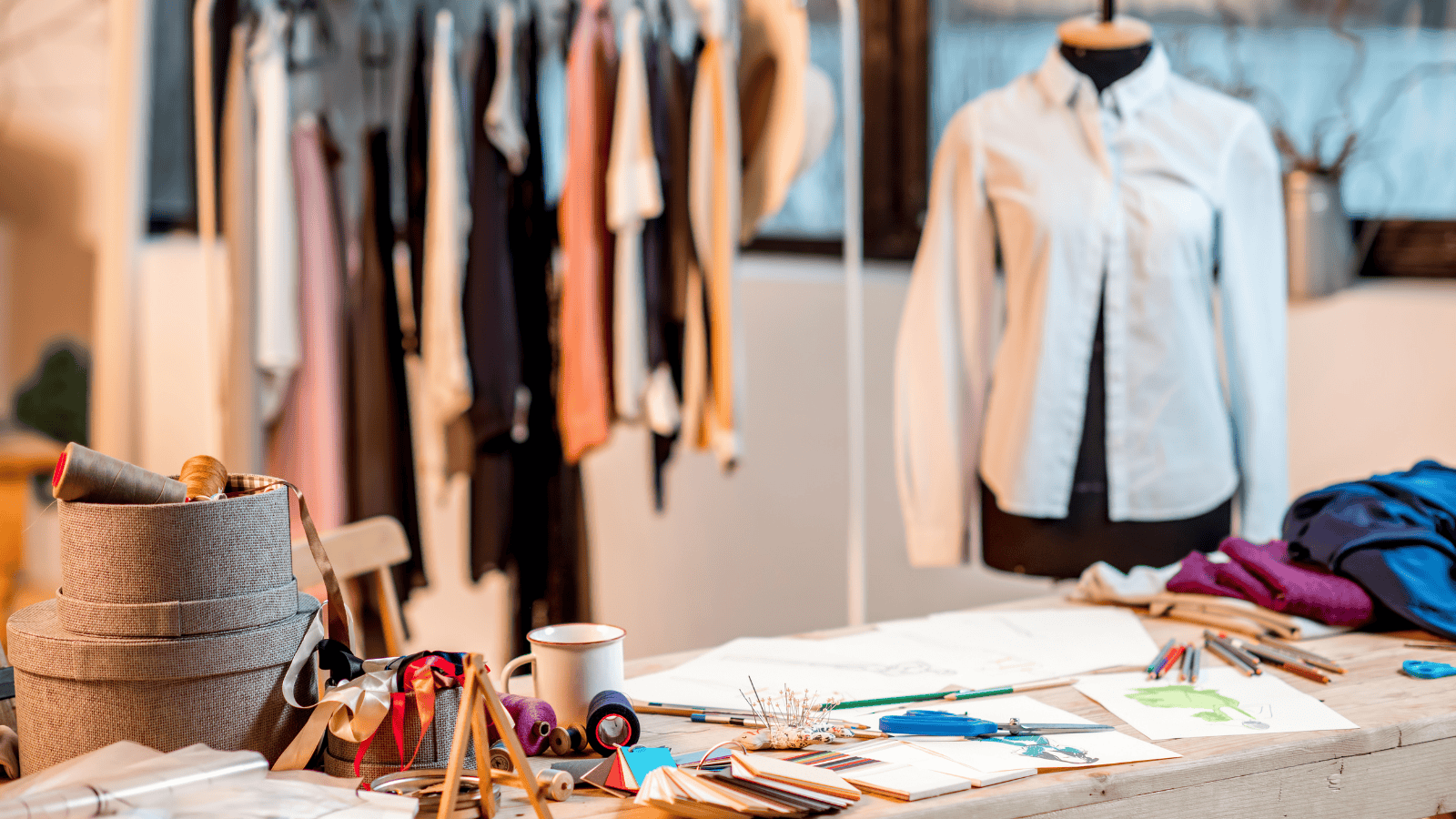
Selecting the right materials is critical for a sustainable baby clothing brand. Organic cotton and bamboo are popular choices for their softness, breathability, and eco-friendly properties . When sourcing materials, look for certifications like GOTS (Global Organic Textile Standard) and OEKO-TEX, which verify that textiles are free from harmful chemicals and produced sustainably.
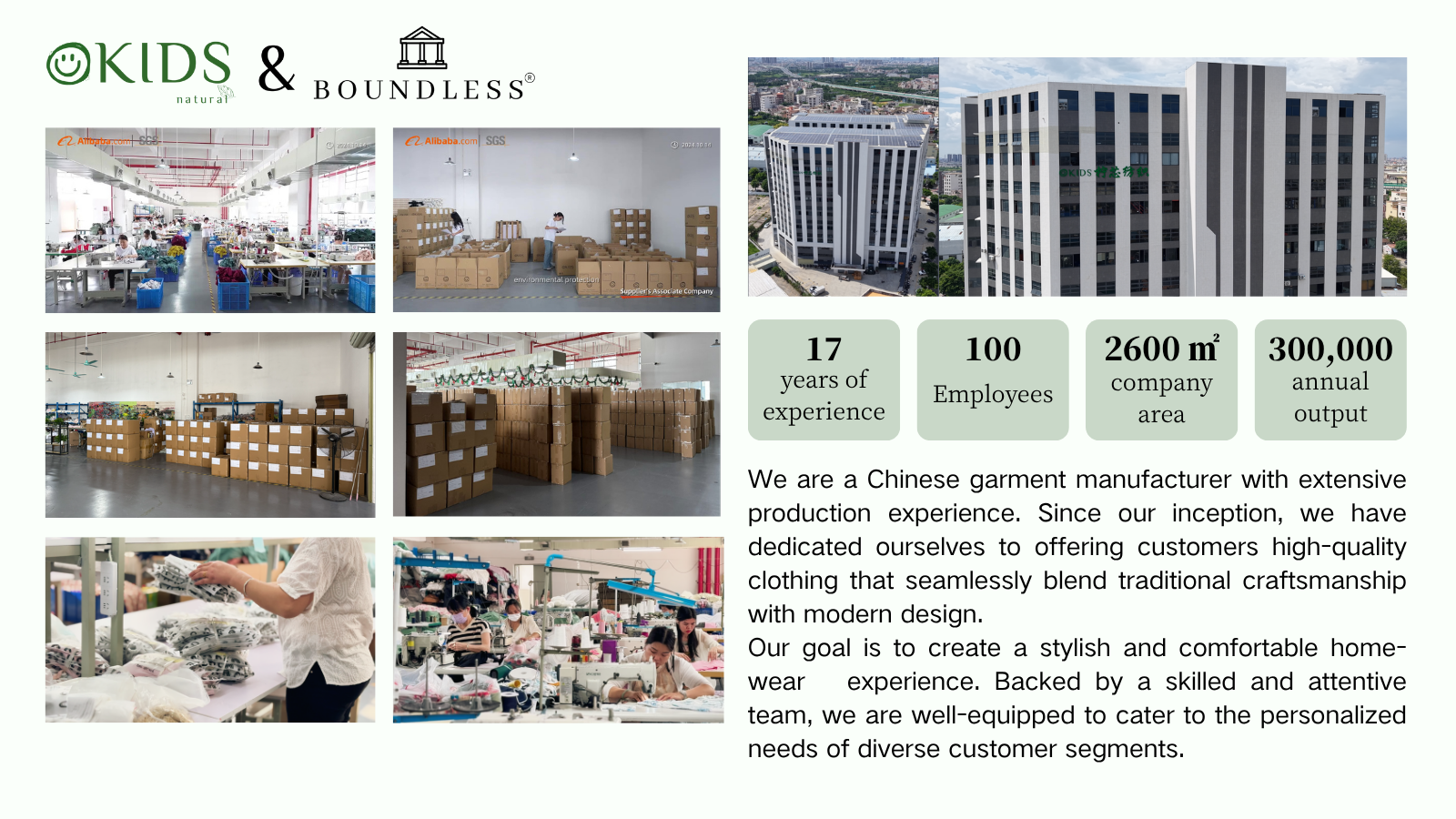
Finding reliable manufacturers is one of the most important steps in how to start a baby sleepwear brand. Look for partners with experience producing baby clothing who can provide custom baby pajamas with attention to safety and quality . Many manufacturers offer OEM/ODM services, allowing you to customize fabrics, prints, sizes, and labels with relatively low minimum order quantities.
When evaluating potential manufacturers, consider:
• Their experience with sustainable materials and baby clothing production.
• Compliance with safety standards regarding snaps, buttons, and dyes.
• Minimum order quantities and flexibility for small batches.
• Ethical production practices and transparency in their supply chain.
4. Marketing and Launching Your Sustainable Baby Sleepwear Line
A strong online presence is essential for reaching your target audience. Develop a professional website that showcases your brand story, values, and products. Utilize social media platforms like Instagram and Pinterest, which are particularly effective for visual products like custom baby pajamas.
Content marketing can help establish your expertise and attract potential customers. Consider creating blog posts or social media content about topics such as:
• The benefits of organic cotton and bamboo for baby sleepwear.
• Tips for choosing the right sleepwear for different seasons.
• Your brand's commitment to sustainability and ethical production.
Collaborating with parenting influencers and bloggers can increase your brand's visibility and credibility. Many parents trust recommendations from influencers they follow, making this an effective strategy for introducing your sustainable baby clothing brand to a wider audience.
5. Ensuring Long-Term Success and Growth
After launching your sleepwear line, focus on maintaining quality and engaging with your customers. Collect feedback to improve your products and consider creating limited edition collections to keep your offerings fresh and exciting.
As your sustainable baby clothing brand grows, explore ways to deepen your environmental commitment, such as:
• Using recycled and recyclable packaging.
• Implementing a take-back program for used items.
• Partnering with environmental organizations or contributing to relevant causes.
Remember that transparency and consistency are key to building trust with your customers. Share updates about your production process, sustainability initiatives, and the stories behind your custom baby pajamas to create a connection with your audience.

Conclusion
Launching a sustainable baby clothing brand requires careful planning, from identifying your niche to sourcing ethical manufacturers for your custom baby pajamas. By focusing on quality materials, thoughtful design, and authentic marketing, you can build a successful business that resonates with modern parents. The journey of how to start a baby sleepwear brand is challenging but rewarding, offering the opportunity to create products that are gentle on babies' skin and kinder to the planet.
With growing consumer interest in sustainable products, now is an excellent time to enter the market with a sustainable baby clothing brand that offers high-quality custom baby pajamas. By following these steps and maintaining a focus on your values, you can create a brand that stands out in the competitive baby sleepwear market.
Newborn Baby Set Manufacturer: How Retailers Choose Quality Infant Clothing
Selecting a Trusted Baby Clothing Manufacturer
Related Article