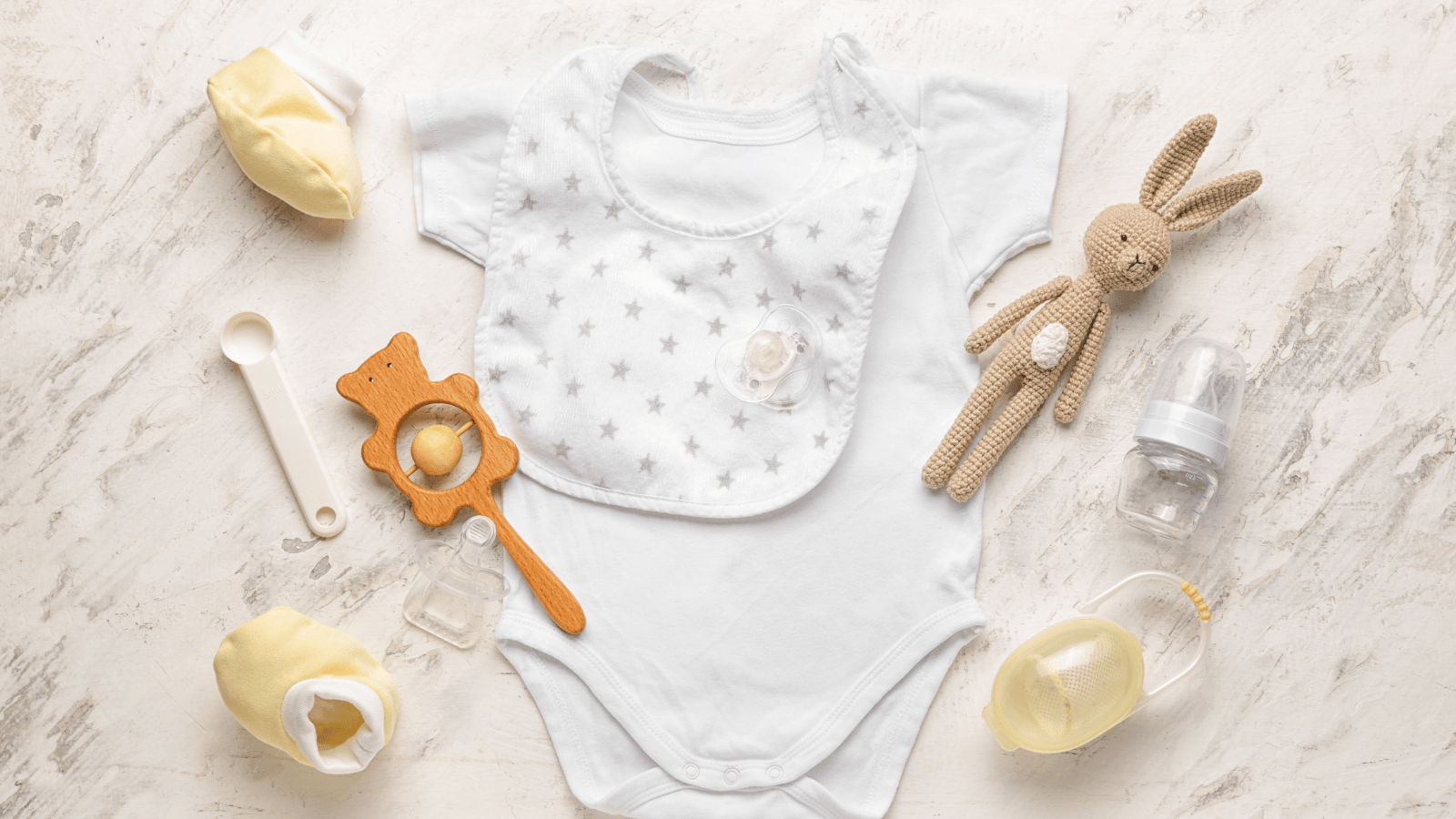
Bamboo Fiber: Sustainable, Antibacterial & Comfortable Textile Revolution
Bamboo fiber, as a natural, environmentally friendly and excellent fiber material, has shown great application potential in many fields such as textiles, home furnishings and medical care in recent years. It not only has excellent physical properties, but also is favored by more and more consumers for its sustainability and environmental protection characteristics.
1. The source of bamboo fiber
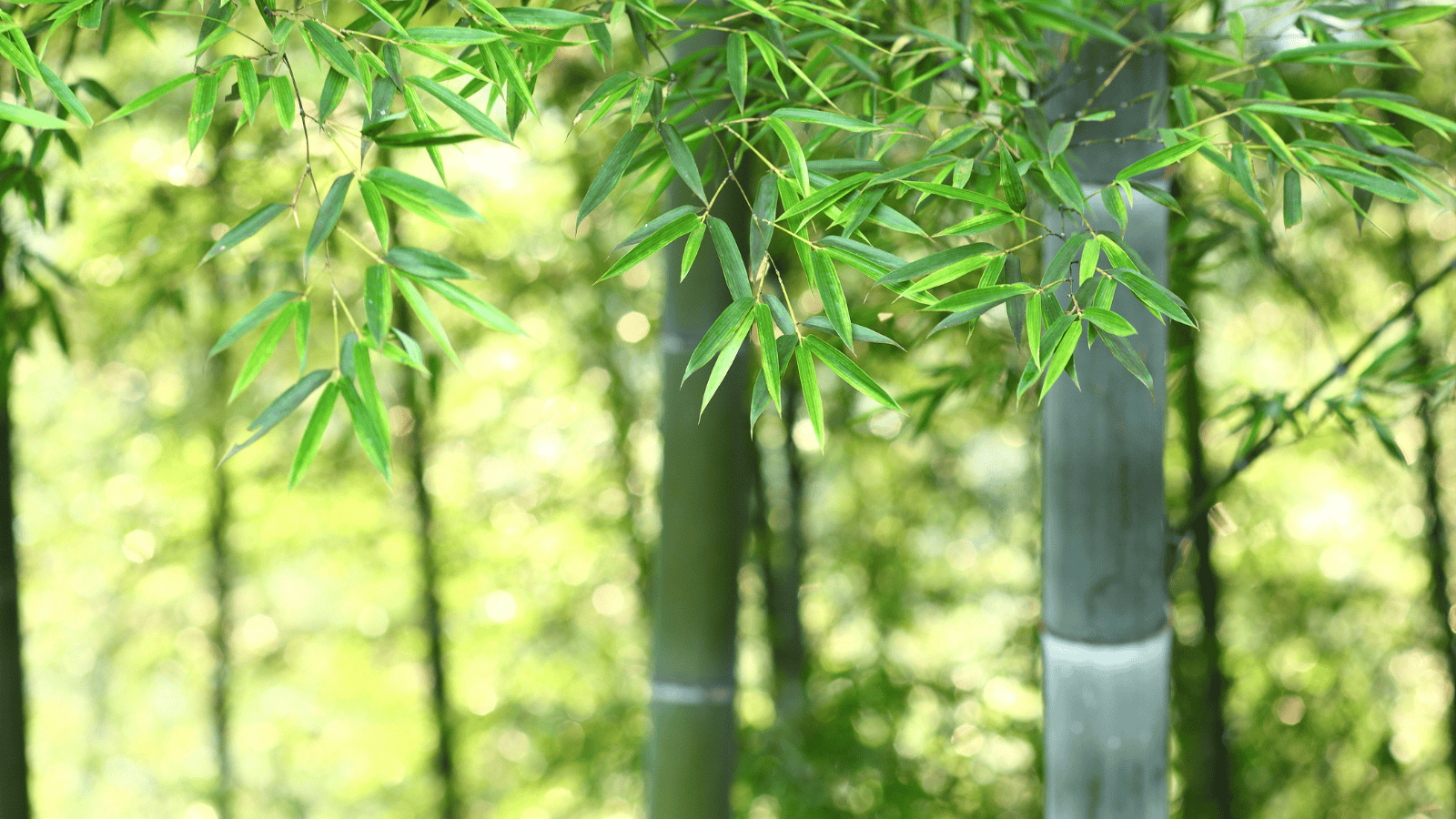
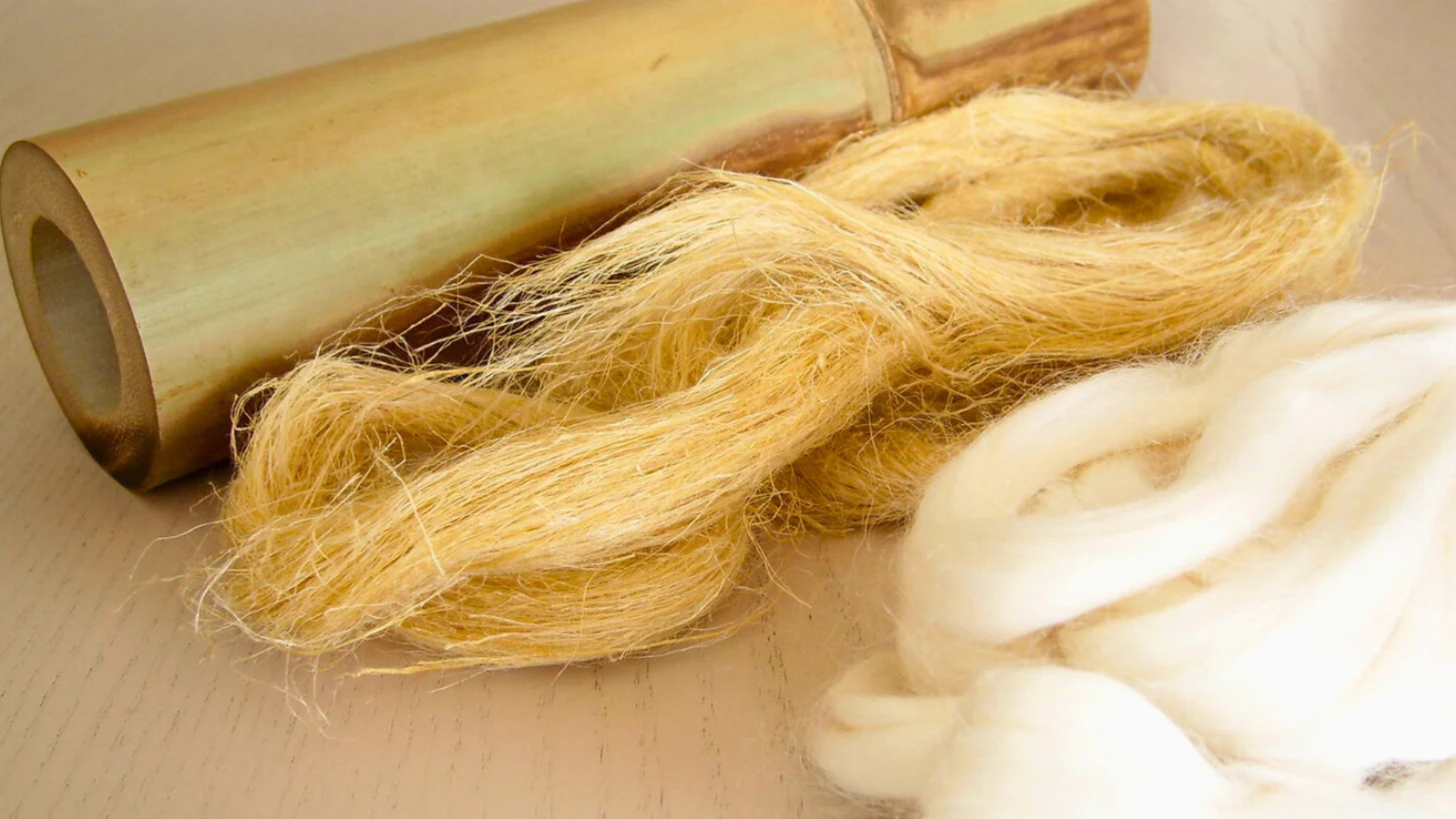
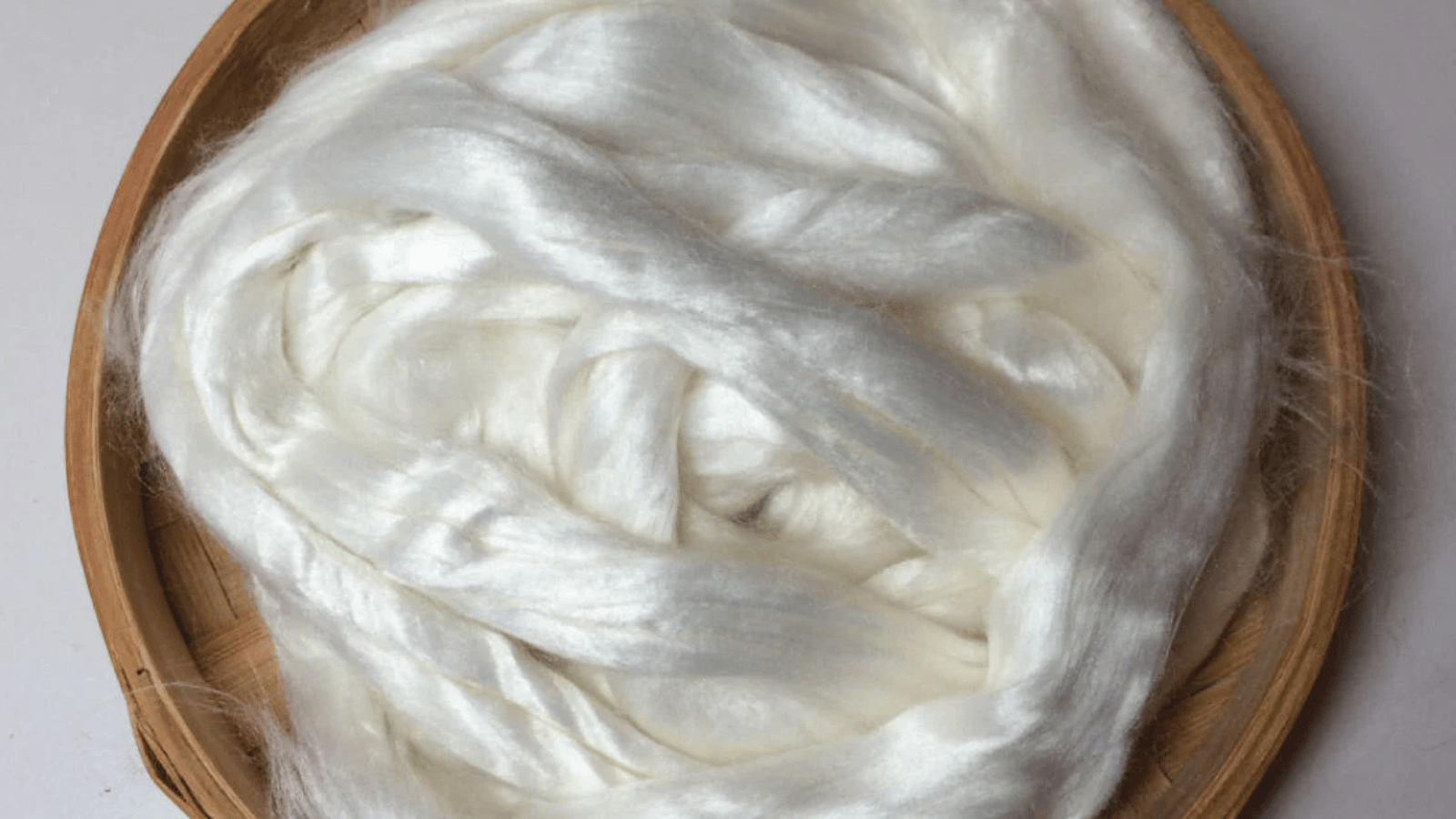
Bamboo fiber is a fiber extracted from natural bamboo and is a renewable resource. Bamboo grows rapidly, has strong adaptability, can grow under a variety of climatic conditions, and does not require the use of fertilizers and pesticides, so it has little impact on the environment. The extraction process of bamboo fiber mainly includes steps such as cooking, enzymatic hydrolysis, and mechanical treatment. Through these processes, lignin and hemicellulose in bamboo can be removed to obtain pure cellulose fiber. Because bamboo has a short growth cycle, it usually only takes 3-5 years to mature, so the production process of bamboo fiber is not only efficient, but also has less burden on the environment.
2. Application scenarios of bamboo fiber
Due to its unique physical and chemical properties, bamboo fiber is widely used in many fields. The following are its main application scenarios:
-
Textile industry
Bamboo fiber can be blended with other fibers to make various garments, such as T-shirts, shirts, socks, underwear, etc. Bamboo fiber has excellent air permeability and moisture absorption, is comfortable to wear, and has natural antibacterial properties, which can effectively prevent bacterial growth and odor. In addition, the softness and drape of bamboo fiber also make it very suitable for making summer clothing and bedding.


-
Household products
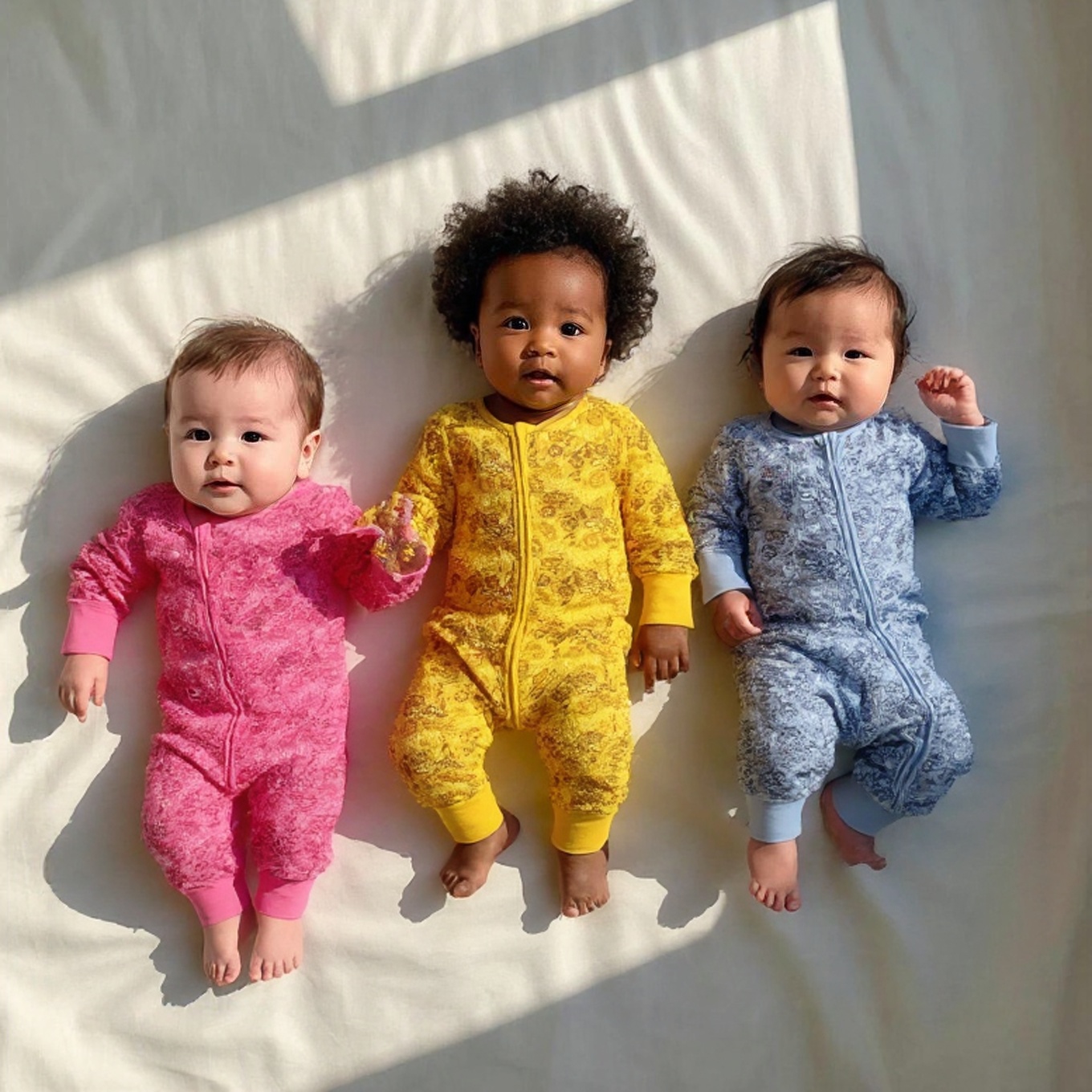
Bamboo fiber is also widely used in the field of home textiles, such as sheets, quilt covers, towels, carpets, etc. Due to its natural antibacterial properties, bamboo fiber products can keep the home environment clean and hygienic, especially suitable for families with infants and young children. In addition, bamboo fiber is also used to make decorative items such as mats and curtains, which improves the comfort and beauty of the home.
-
Medical and sanitary products
The natural antibacterial and hypoallergenic properties of bamboo fiber make it of great value in the medical field. It can be used to make medical supplies such as nurse uniforms, surgical gowns, masks, bandages, etc. to ensure the safety and health of medical staff and patients. In addition, bamboo fiber is also used to produce sanitary napkins, diapers and other personal hygiene products, which are environmentally friendly due to its biodegradable properties.
-
Industrial and technological applications
The high strength and wear resistance of bamboo fiber also make it have certain applications in the industrial field. For example, it can be used to make tents, conveyor belts, parasols and other products. In addition, bamboo fiber can also be used to make disposable products such as environmentally friendly paper and wet wipes. These products can be naturally degraded while maintaining functionality, reducing pollution to the environment.
3. Advantages of bamboo fiber
As a new type of environmentally friendly material, bamboo fiber has many advantages, making it popular in many fields:
Bamboo fiber comes from a renewable resource - bamboo. Bamboo grows fast, consumes low resources, and does not require the use of fertilizers and pesticides, so it has less impact on the environment. In addition, bamboo fiber is 100% biodegradable and will not cause long-term pollution to the environment. Compared with non-degradable synthetic materials, bamboo fiber processing is more environmentally friendly.
-
Comfort and functionality
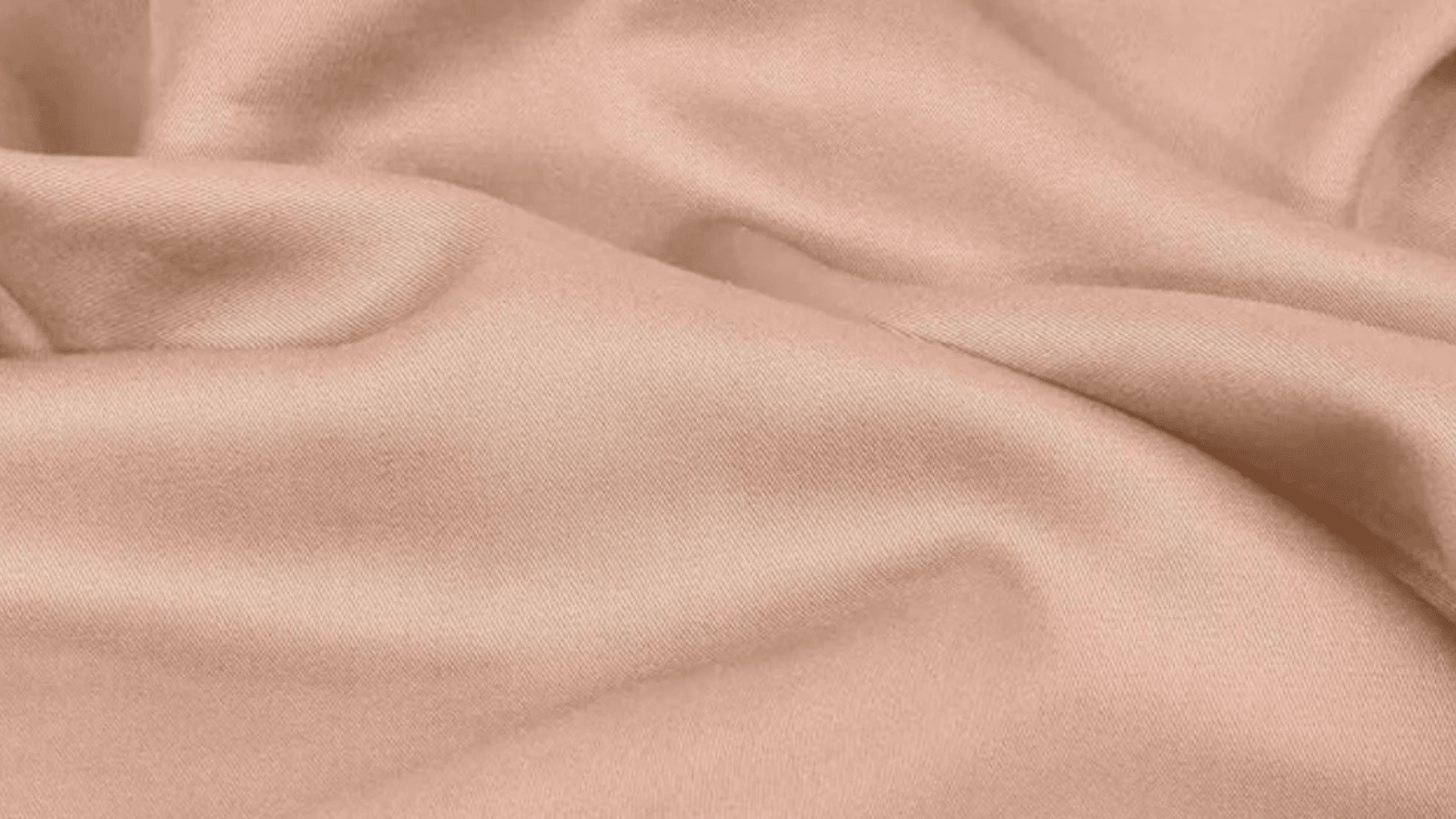
Bamboo fiber has good air permeability and moisture absorption, which can effectively regulate body temperature and keep the wearer cool and comfortable. In addition, the natural antibacterial properties of bamboo fiber make it widely used in medical and sanitary products. The softness and drape of bamboo fiber also make it very suitable for making baby clothes and high-end fashion items.
-
Economy and cost advantage
Compared with cotton pulp viscose fiber, bamboo fiber has obvious cost advantages. The production process of bamboo fiber is relatively simple, and the raw materials are widely available, so it can reduce production costs and improve the market competitiveness of products. In addition, the production technology of bamboo fiber is also constantly improving, and it is expected to further reduce costs and expand market applications in the future.
-
Versatility
Bamboo fiber is not only suitable for clothing and household items, but also can be used in many fields such as medical, industrial and scientific and technological fields. For example, bamboo fiber can be used to make environmentally friendly paper, wet wipes, tents and other products, demonstrating its versatility and wide applicability.
4. Conclusion
As a new type of environmentally friendly material, bamboo fiber is gradually changing the face of the traditional textile and home furnishing industries with its excellent performance and sustainability. Whether it is baby clothing or household items, bamboo fiber can provide comfortable, healthy and environmentally friendly choices. With the continuous advancement of technology and the increase in market demand, the application prospects of bamboo fiber will be broader. We believe that bamboo fiber will become an important development direction of the textile and home furnishing industries in the future, bringing consumers a greener and healthier lifestyle.
How to Choose Garment Labels: Best Materials for Comfort & Branding
The Tide of Fast Fashion: Impacts on Consumption and Brand Strategy
Related Article