Sustainable Fashion Revolution: From Fast to Circular, Innovation to Consumer Empowerment
In the rapid-paced consumerist era, an increasing number of shoppers are now focusing on the 'story' behind their clothing—its environmental impact, sustainability, and long-term value. This shift transcends mere consumer trend; it represents a profound introspection within the fashion industry. From the reign of 'fast fashion' to the rise of 'slow fashion', and from 'disposable consumption' to 'circular consumption', sustainable fashion is surging forward at an unprecedented pace, becoming a vital choice for the modern consumer.
-
Innovative Adoption of Eco-Materials
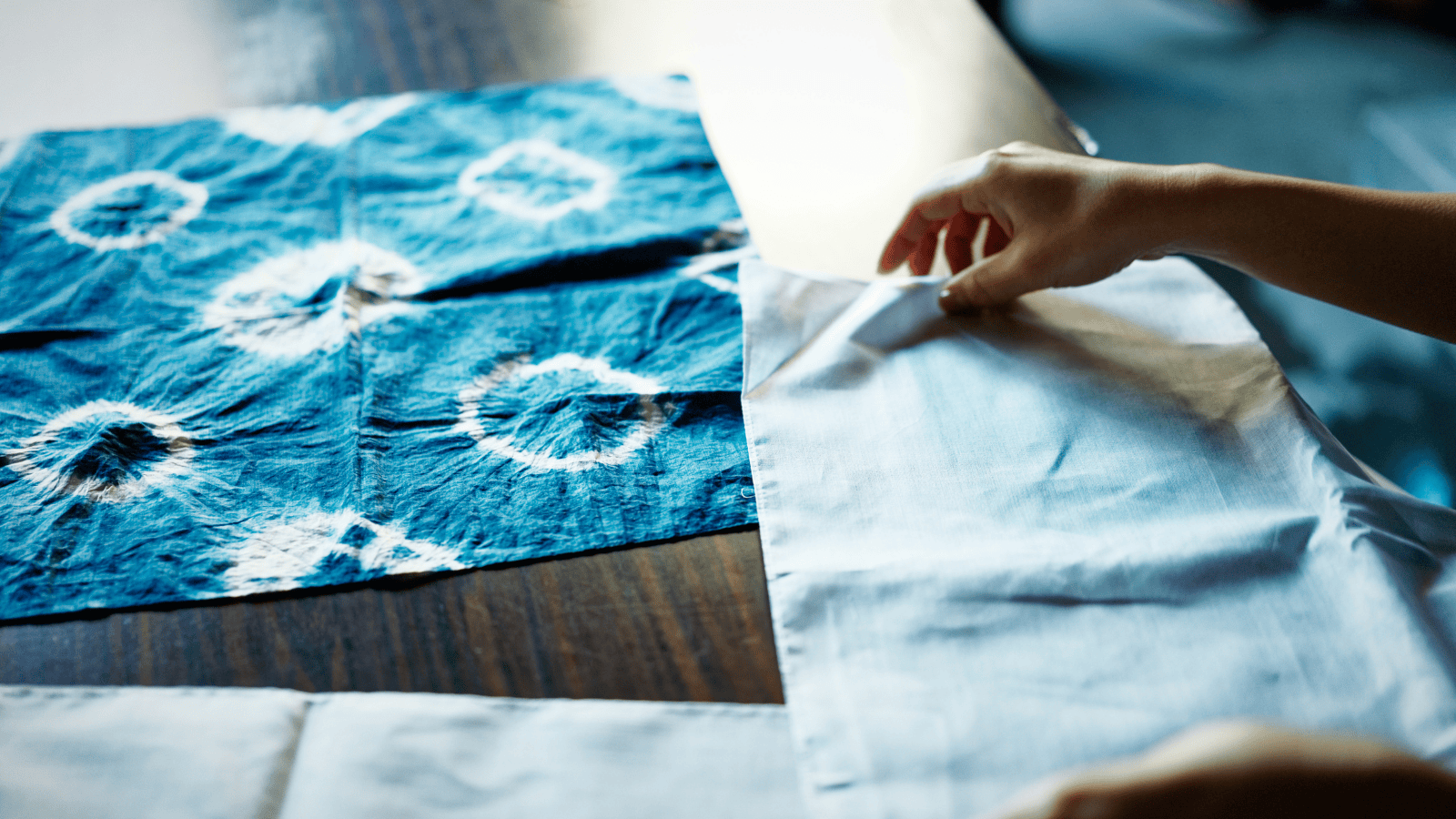
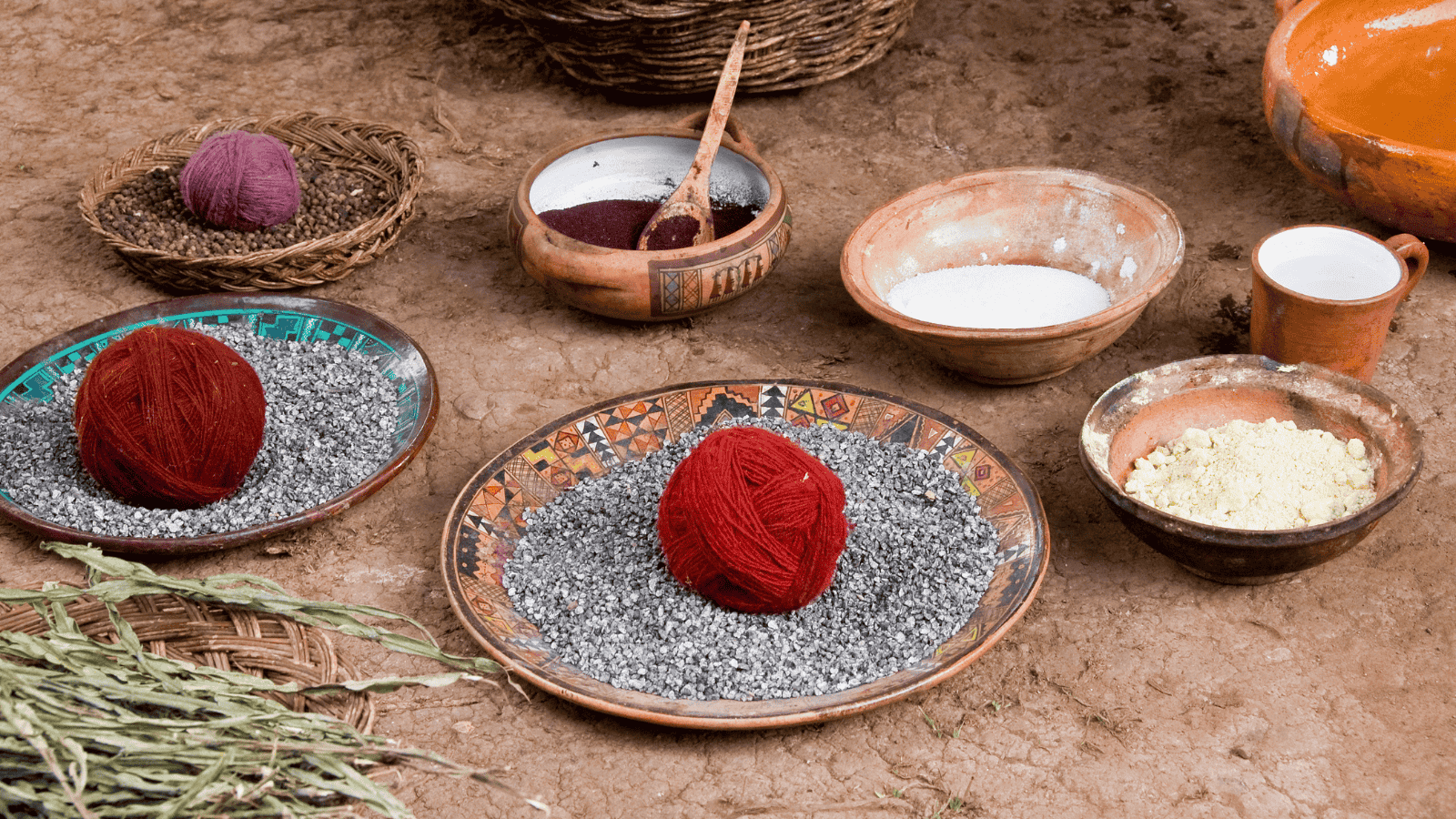
As consumer awareness of environmental protection intensifies, eco-friendly materials are rapidly becoming a core competitive advantage for fashion brands. The use of materials like organic cotton, recycled fibers, and plant-derived dyes not only alleviates the burden on the environment but also enhances garment quality and durability. For instance, organic cotton cultivation bans chemical pesticides and fertilizers, safeguarding soil and water sources from contamination; recycled fibers are made from reclaimed textiles, effectively curbing resource waste. Utilizing these materials doesn't just bolster a brand's ethical responsibility; it also allows consumers to tangibly experience the ethos of environmental conservation through their garments.

- Low-Carbon Production and the Circular Economy
Within production, low-carbon principles are fundamentally reshaping the industry's operations. By optimizing manufacturing processes and slashing energy consumption and carbon emissions, brands diminish their environmental footprint while strengthening their own sustainability. Concurrently, the emergence of the circular economy model has unlocked the potential for recycling and reusing worn-out garments. Many brands implement 'closed-loop' production systems, feeding discarded materials back into the manufacturing cycle to achieve resource circularity. Examples include brands launching 'take-back schemes', encouraging consumers to return used items to stores or online platforms for reprocessing, thereby extending product lifecycles.
- The Evolution of Consumer Environmental Consciousness
Heightened consumer environmental concern is the driving force propelling sustainable fashion forward. Fuelled by widespread environmental education and social media advocacy, more people are scrutinizing a garment's 'carbon footprint' and 'eco-value'. They are shifting away from the 'buy more, wear less' mentality, gravitating instead towards brands authentically committed to eco-friendliness and sustainability. This transformation in consumer mindset has not only spurred innovation in sustainable materials and low-carbon production but also compelled brands to re-evaluate their product design, supply chain management, and core brand values.
-
How Brands Can Seize This Opportunity
As an integrated apparel manufacturer encompassing both design and production, we recognize that sustainability transcends being a market trend—it is the essential core value for long-term brand success. We can actively embrace this trend and earn consumer trust through the following strategies:
-
Prioritize Eco-Materials: Champion the use of organic cotton, recycled fibers, and other sustainable materials in product design to lessen environmental impact. Implement transparent supply chain management to rigorously ensure material sourcing and production adhere to ecological standards.
-
Champion the Circular Economy: Establish comprehensive end-of-life garment recycling programs. Motivate consumer participation through 'trade-in initiatives' where old clothing can be exchanged or returned. Reprocess collected items to create new products, maximizing resource use and product lifespan.
-
Articulate the Sustainability Narrative: Craft compelling narratives through featured articles on environmental themes, comprehensive sustainability reports, and active participation in eco-initiatives. Showcase our commitment and concrete achievements in sustainability, building authentic trust and alignment with consumers.
-
Elevate the Conscious Consumer Experience: Enhance the shopping journey by implementing eco-packaging and minimizing packaging waste. Leverage social media and online platforms to proactively disseminate environmental values and attract the growing segment of eco-conscious shoppers.
-
Foster Collaborative Impact: Partner with environmental NGOs and sustainability bodies to collectively drive the fashion industry's green transition. Engage in industry forums and publish thought leadership reports to amplify our social influence and demonstrate commitment.
 The ascent of sustainable fashion is not just an inevitable trajectory for the industry; it signifies our shared stewardship for the planet's future. By embracing eco-materials, advocating for the circular economy, and elevating environmental awareness, we deliver superior products and actively contribute to building a greener, more sustainable world. Let's unite our efforts to propel the fashion industry towards a brighter horizon.
Building an Apparel Brand from the Ground Up: A 360-Degree Guide Encompassing Design to Consumer Fulfillment
The Power of Brand Narratives: Why Your Clothing Brand Needs a "Soul"
Related Article