Sustainable Clothing Manufacturer: Making the Right Choice for Your Business
In today's fashion industry, the decision between partnering with a sustainable clothing manufacturer and a conventional producer has never been more significant. This choice impacts not only your product quality and brand reputation but also contributes to a larger global footprint. Understanding the fundamental differences can guide your business toward more informed, responsible decisions.
Core Distinctions Between Sustainable and Conventional Manufacturers
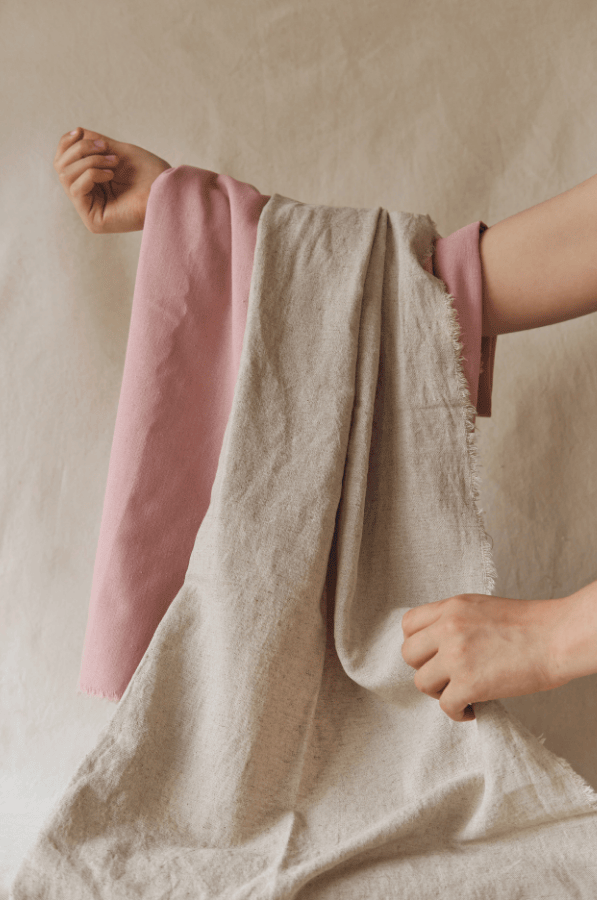
The environmental approach also differs drastically. Traditional manufacturers often rely on water-intensive processes and synthetic materials, with the production of a single cotton T-shirt consuming up to 2,700 liters of water. In contrast, sustainable clothing manufacturers utilize eco-friendly materials like organic cotton (which uses 91% less water), recycled polyester and low-impact dyes, significantly reducing their environmental footprint.
The True Cost of Your Partnership
While the initial price tag from a sustainable clothing manufacturer may be higher, the long-term value tells a different story. A sustainable shirt costing 120 and lasting over 100 wears has a cost per wear of approximately 1.50. Meanwhile, a conventional 30 shirt lasting only 10-15 wears costs 2-3 per wear. This economic advantage extends to your brand's perception, as consumers increasingly value and seek out environmentally responsible products.
Sustainable manufacturers also prioritize ethical labor practices, ensuring fair wages and safe working conditions - a stark contrast to the exploitative practices that sometimes characterize conventional fashion production. This ethical commitment not only aligns with modern values but also reduces risks in your supply chain.
Selecting the Right Sustainable Partner
Identifying a genuinely sustainable clothing manufacturer requires careful consideration. Look for transparency in their supply chain and certifications like GOTS (Global Organic Textile Standard) or Fair Trade, which verify environmental and social standards.
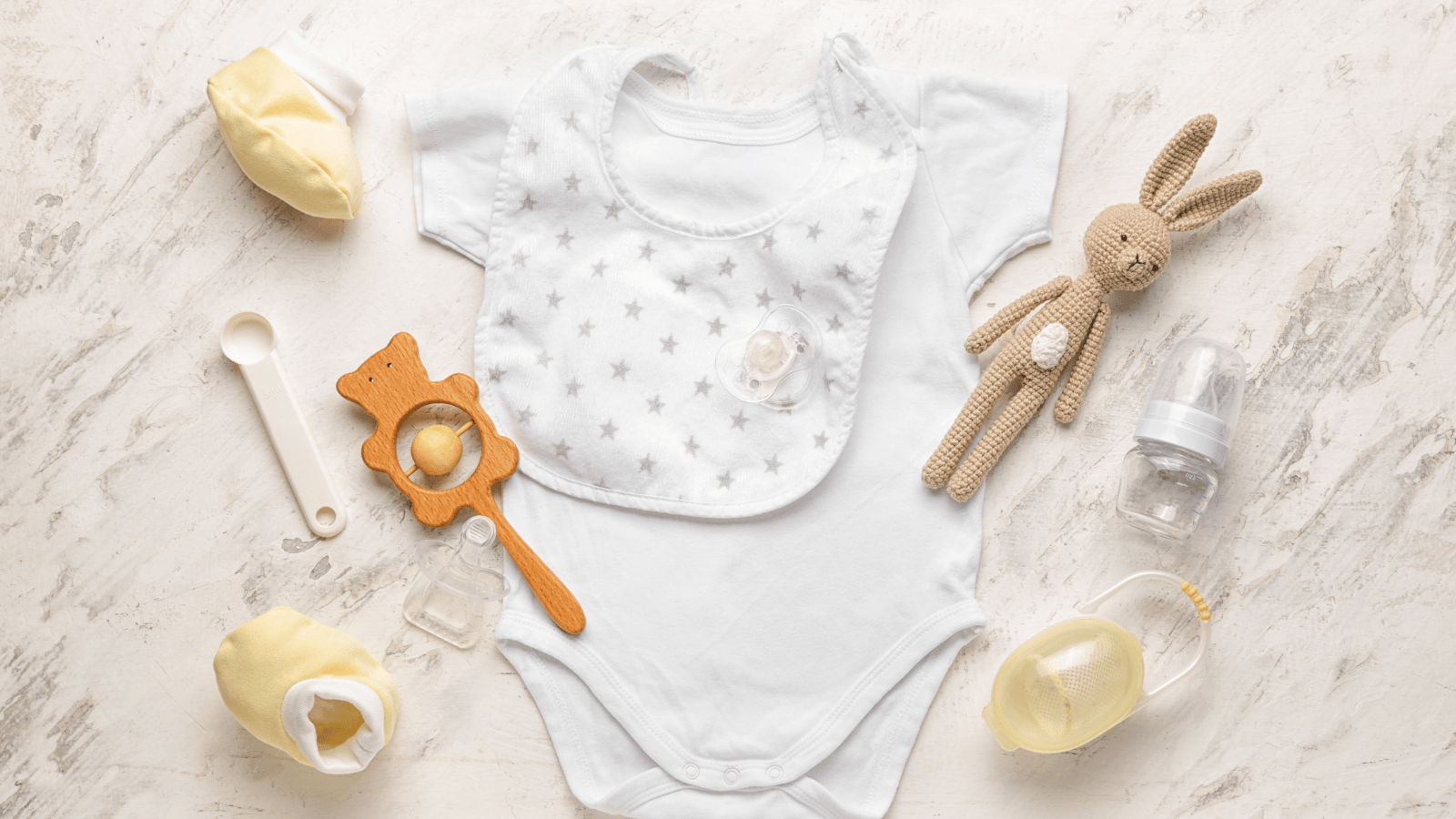
Evaluate their material choices. Preferred sustainable clothing manufacturers utilize organic cotton, hemp, linen, Tencel and recycled materials, all of which have a lower environmental impact compared to conventional fabrics. For sustainable baby clothes specifically, these natural materials offer the additional benefit of being gentler on sensitive skin.
Consider their circular economy initiatives. Leading manufacturers like Patagonia and Eileen Fisher offer take-back programs, repairing and recycling garments to extend their lifecycle. This approach significantly reduces waste and aligns with growing consumer expectations for responsible business operations.
Examine their production standards. Sustainable clothing manufacturers typically produce in smaller batches with greater attention to detail, resulting in higher quality sustainable women's clothing that lasts longer. This contrasts with conventional mass-production that often prioritizes quantity over quality.
A Strategic Decision for Forward-Thinking Businesses
Choosing a sustainable clothing manufacturer is more than an ethical statement—it's a strategic business decision. By partnering with manufacturers who prioritize durability, environmental responsibility, and ethical practices, you invest in longer-lasting products, a stronger brand reputation and alignment with evolving market values.
This approach particularly resonates for sustainable baby clothes and sustainable women's clothing, where quality, safety and comfort are paramount considerations for end consumers. In these segments, the natural materials and non-toxic dyes used by sustainable manufacturers provide tangible benefits that discerning customers recognize and value.
Craft a Unique Collection: The Advantage of Custom Bamboo Baby Rompers
Expanding Your Baby Clothing Line: A Strategic Guide to Succeeding with Bamboo
Related Article