
The Global Trend of Infant Clothing Preferences in 2025
author: Vivian
2025-05-08
As the global infant apparel market evolves, consumers across the world are driving demand for clothing that prioritizes safety, comfort, and sustainability. Based on recent industry trends and market reports, key factors shaping consumer preferences in 2025 include fabric choice and design focus.
Preferred Fabrics: Sustainability and Safety Lead the Way
-
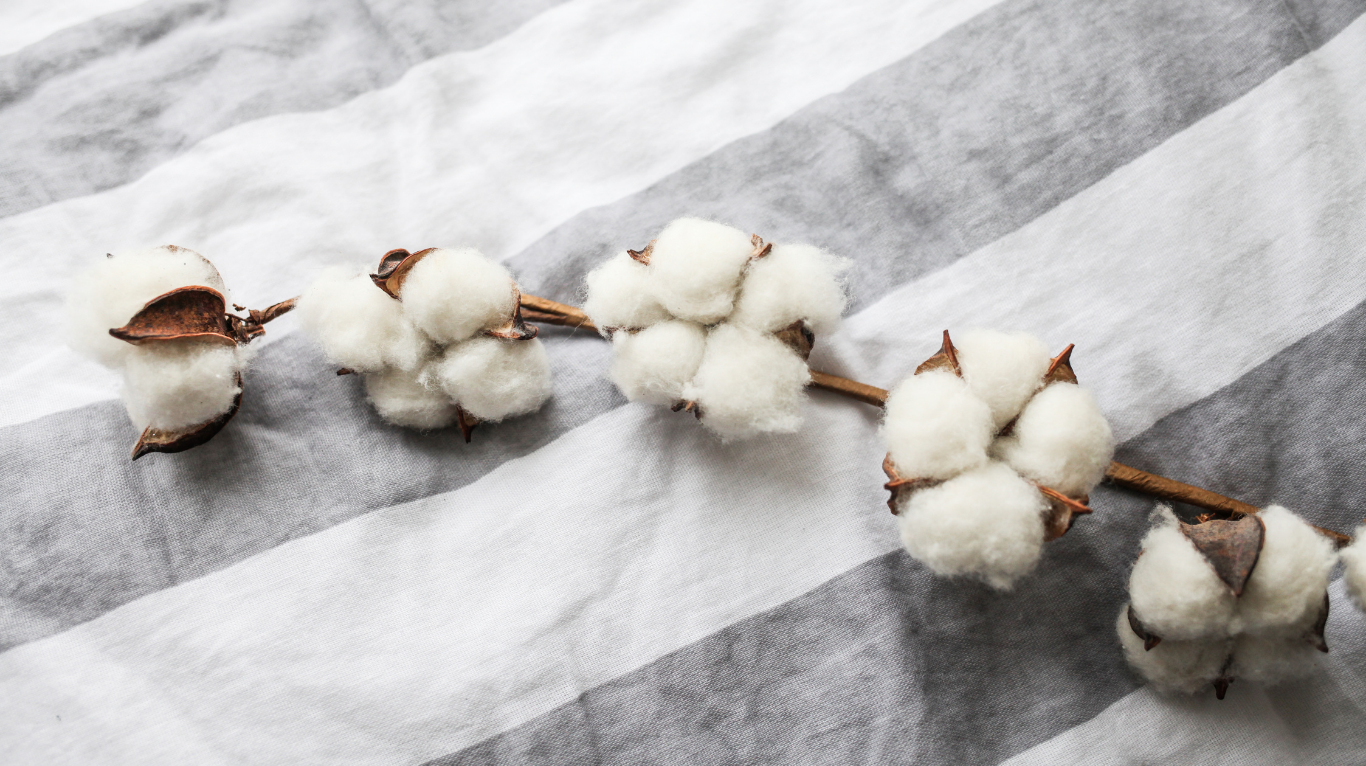
Organic cotton remains the top choice for infant clothing globally. Its hypoallergenic properties, breathability, and absence of harmful chemicals align with parents’ increasing awareness of skin health. Brands like PurCotton and Burt’s Bees Baby emphasize natural materials, catering to affluent buyers who value eco-friendly options.
-
Beyond organic cotton, innovative fibers gain traction. Bamboo viscose, praised for its antibacterial qualities and moisture-wicking performance, addresses hygiene concerns. Additionally, biodegradable fabrics such as plant-based PET and recycled polyester emerge as sustainable alternatives, meeting regulatory pressures like the EU Circular Economy Action Plan and similar global sustainability initiatives.
-
Functional materials also rise in popularity. Temperature-regulating textiles, such as those with phase-change microcapsules, ensure optimal comfort across climates. Antimicrobial finishes and UV-protective coatings further enhance utility, particularly in outdoor wear, responding to rising consumer concerns about health and safety worldwide.
Style Trends: Minimalism Meets Personalization
-
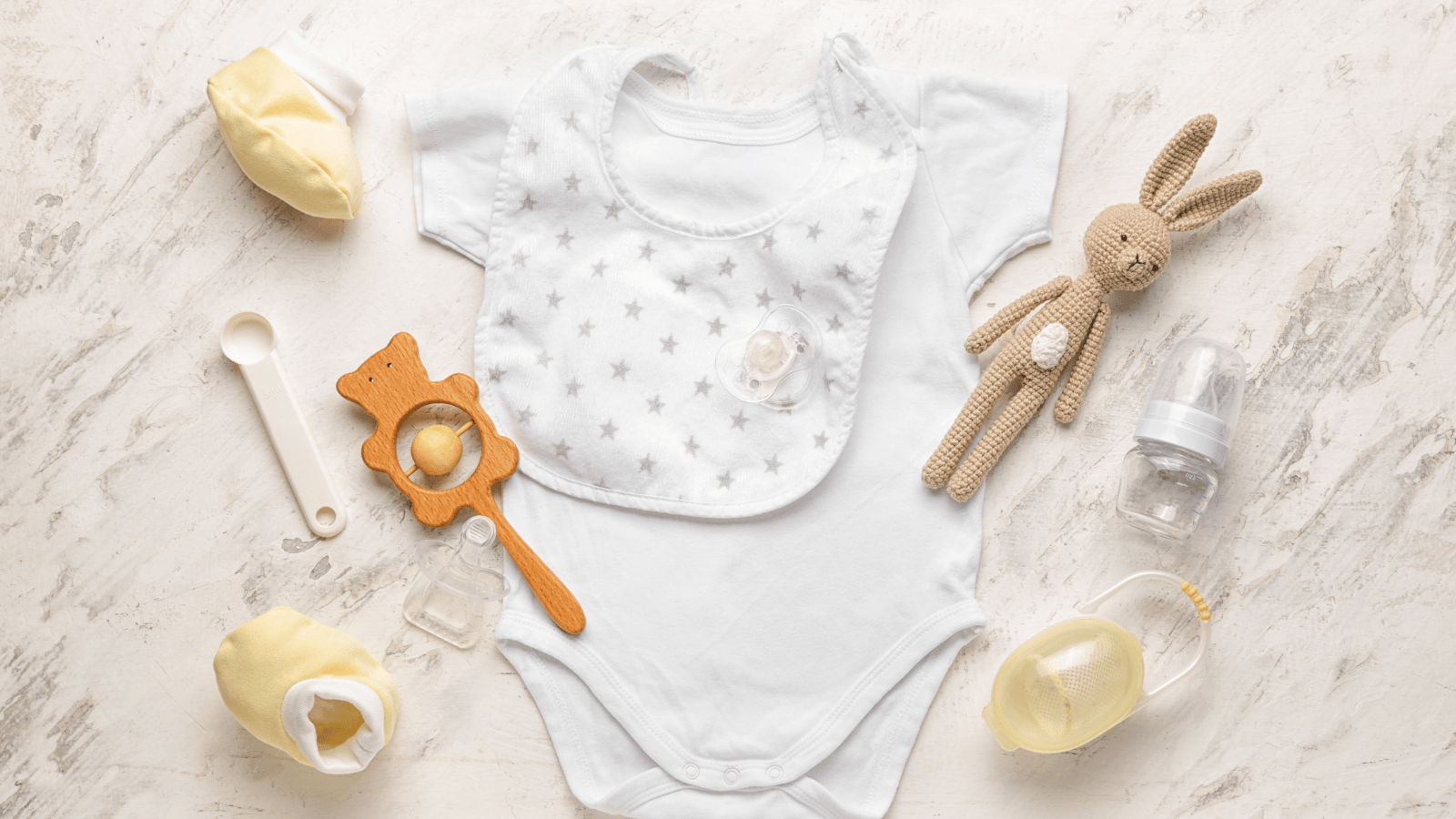
Design aesthetics globally in 2025 pivot toward simplicity and functionality. Loose-fitting bodysuits, rompers, and sleepsuits dominate wardrobes, prioritizing unrestricted movement. Neutral and muted tones (e.g., beige, sage green) reflect a growing preference for timeless over trend-driven patterns.
-
Customization becomes a global differentiator. Parents increasingly seek monogrammed garments or limited-edition collaborations, as seen in premium brands’ partnerships with celebrities or designers (e.g., The Row’s unisex infant collections). Meanwhile, playful elements like embroidered animal motifs or subtle metallic accents cater to younger demographics seeking modern yet understated charm.
-
E-commerce further transforms preferences globally. Fast fashion brands leverage social media trends—collaborations with influencers and viral styling tutorials—to popularize affordable yet trendy items. Yet, sustainability-conscious buyers favor slow fashion, supporting local artisans or upcycled apparel, as evidenced by platforms promoting second-hand and repair services in multiple regions.
Market Drivers: Regulation and Innovation
Stringent safety standards globally, such as the 2025 amended EU Toys and Safety Regulation and similar frameworks in other regions, push fabric testing for allergens and dyes. Simultaneously, technological advancements enable smart textiles—embedded sensors for vital monitoring or self-cleaning coatings—catering to health-conscious parents worldwide.
In summary, consumers globally in 2025 demand infant clothing balancing sustainability, safety, and aesthetics. Brands achieving this balance will likely dominate the evolving market landscape.
Sources: Industry reports 2024 - 2025; Consumer preference analyses from leading e-commerce platforms.
How to Find Low MOQ Clothing Manufacturers
The Real Reason Your Clothing Samples Are Expensive And How to Fix It?
Related Article

This guide details how to select and verify OEKO-TEX certified clothing manufacturers, ensuring safe, sustainable apparel production for your business.
How to Select and Verify an OEKO-TEX Certified Clothing Manufacturer for Quality Apparel

Discover the key baby clothes fabric trends favored by leading Russian baby clothes brands like Kotmarkot and Crockid. This analysis covers materials like GOTS-certified cotton and OEKO-TEX standards for industry alignment.
Understanding Baby Clothes Fabric Choices in Russia's Leading Sleepwear Brands
This analysis explores the preferred baby clothes fabric, like organic cotton and bamboo, used by leading Australian baby clothes brands, offering insights for industry partners.
Australian Baby Clothes Brands: A Deep Dive into Preferred Baby Clothes Fabric
Discover the key baby clothes fabric trends favored by leading American baby clothes brands. This analysis covers materials like GOTS-certified organic cotton and bamboo, brand case studies including Burt’s Bees Baby and Carter’s, and insights for industry alignment.
Comfort & Care: Analyzing Baby Clothes Fabric in America's Leading Brands