Why Certifications Like OEKO-TEX and BSCI Matter in Pyjamas Manufacturing
For brands in the homewear industry, choosing the right pyjamas manufacturer is a critical decision that impacts product quality, brand reputation, and supply chain stability. Partnering with a qualified supplier ensures your sleepwear meets both quality standards and customer expectations. This guide outlines the key certifications and supplier qualifications to consider when selecting a manufacturing partner for your pyjama collection.

Understanding Essential Certifications
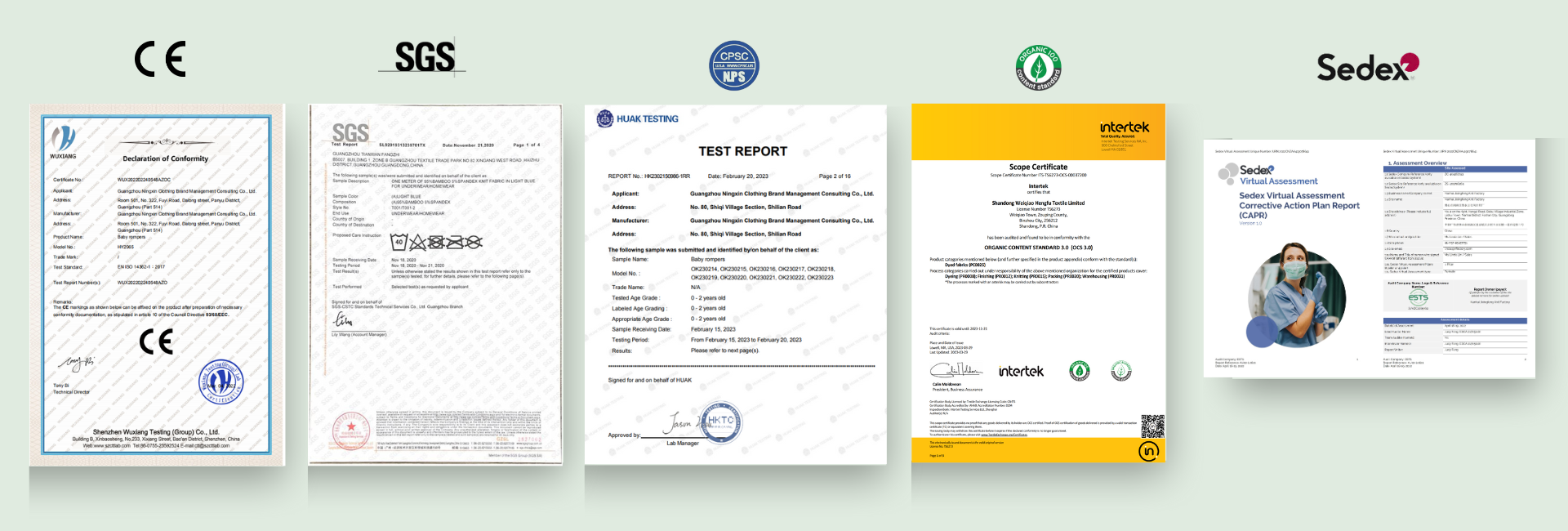
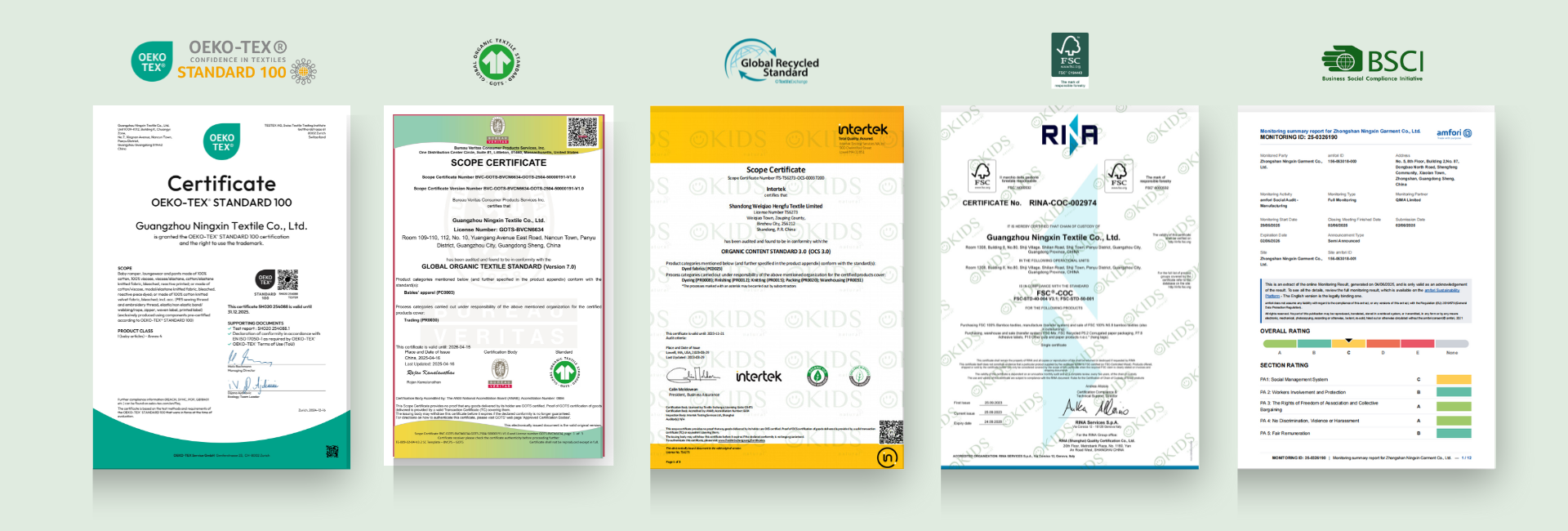
Certifications serve as independent verification of a manufacturer's commitment to quality, safety and ethical practices. When evaluating potential partners, prioritize those with internationally recognized certifications that align with your brand values.
Quality Management Certifications including ISO 9001 demonstrate that the manufacturer has implemented standardized quality control systems throughout production. Many reputable manufacturers in the pyjamas industry maintain this certification, ensuring consistent product quality. Additionally, ISO 14001 certification indicates environmentally responsible manufacturing processes, increasingly important in today's eco-conscious market.
Material Safety Certifications are particularly crucial for pyjamas that comes into direct contact with skin. The Oeko-Tex Standard 100 certifies that textiles are free from harmful substances, making it especially valuable for pyjamas manufacturing. Some manufacturers also hold GOTS (Global Organic Textile Standard) certification for organic fabric production, providing assurance of both environmental and social responsibility.
Social Compliance Certifications such as BSCI (Business Social Compliance Initiative) and Sedex ensure ethical treatment of workers throughout the supply chain. These certifications have become benchmarks for responsible manufacturing practices in the garment industry. For brands requiring verification of specific compliance aspects, SMETA (Sedex Members Ethical Trade Audit) certification provides additional assurance of social and environmental standards.
Evaluating Supplier Qualifications and Capabilities
Beyond certifications, comprehensive supplier qualifications encompass manufacturing capabilities, experience and business practices that determine a partner's ability to meet your specific requirements.
Production Capacity and Expertise should align with your business needs. Evaluate the manufacturer's monthly production volume, workforce size and experience in pyjamas manufacturing. Established manufacturers often have 15-20 years of industry experience and employ hundreds to thousands of skilled workers. For instance, some leading pyjama manufacturers produce 200,000 to nearly 7 million pieces monthly, demonstrating significant scalability.
Service Flexibility is another critical consideration. Many manufacturers offer OEM (Original Equipment Manufacturer), ODM (Original Design Manufacturing) and OBM (Own Branding Manufacturing) services. This flexibility allows brands to choose the level of involvement in the design and development process. The ability to accept buyer's specifications indicates a manufacturer's willingness to accommodate custom designs and specific requirements.
Quality Control Processes extend beyond basic certifications. Look for manufacturers that implement AQL (Acceptable Quality Limit) inspection procedures and have dedicated R&D departments. These elements demonstrate a commitment to continuous improvement and product excellence. Some suppliers also have the necessary production capacity and quality assurance capabilities to meet specific product requirements, which is fundamental for a qualified international supplier.

Implementing a Thorough Supplier Selection Process
A structured approach to supplier selection helps identify partners who not only meet certification requirements but also align with your long-term strategic goals.
Comprehensive Due Diligence should include verifying business licenses, tax registration certificates and other legal documents that confirm the supplier's legal operation status. Assess their financial stability, production facilities and equipment quality to gauge their ability to fulfill contracts reliably. A truly qualified supplier must have fixed production sites, necessary equipment and adequate organization to ensure consistent output.
Supply Chain Transparency has become increasingly important in the apparel industry. Manufacturers who openly share information about their production processes, material sourcing and subcontracting relationships enable brands to make informed decisions. This transparency is essential for brands committed to ethical and sustainable practices.
Sample Evaluation and Communication provides practical insights into a manufacturer's capabilities and responsiveness. Before committing to a partnership, request samples to assess workmanship, fabric quality and attention to detail. Additionally, evaluate their communication efficiency and problem-solving approach, as these factors significantly impact the partnership's success. A qualified supplier should be able to promptly address and provide feedback on issues related to product quality, transportation and delivery requirements.

Conclusion
Selecting the right pyjamas manufacturer requires careful evaluation of both certifications and overall supplier qualifications. By prioritizing partners with appropriate credentials, demonstrated production expertise and transparent business practices, pyjamas brands can establish manufacturing relationships that support quality products and business growth. The ideal manufacturer should not only meet current needs but also demonstrate the capacity to evolve with your brand's changing requirements in the dynamic pyjamas market.


Expanding Your Baby Clothing Line: A Strategic Guide to Succeeding with Bamboo
Essential Certifications and Qualifications for Your Baby Clothing Supplier Selection
Related Article