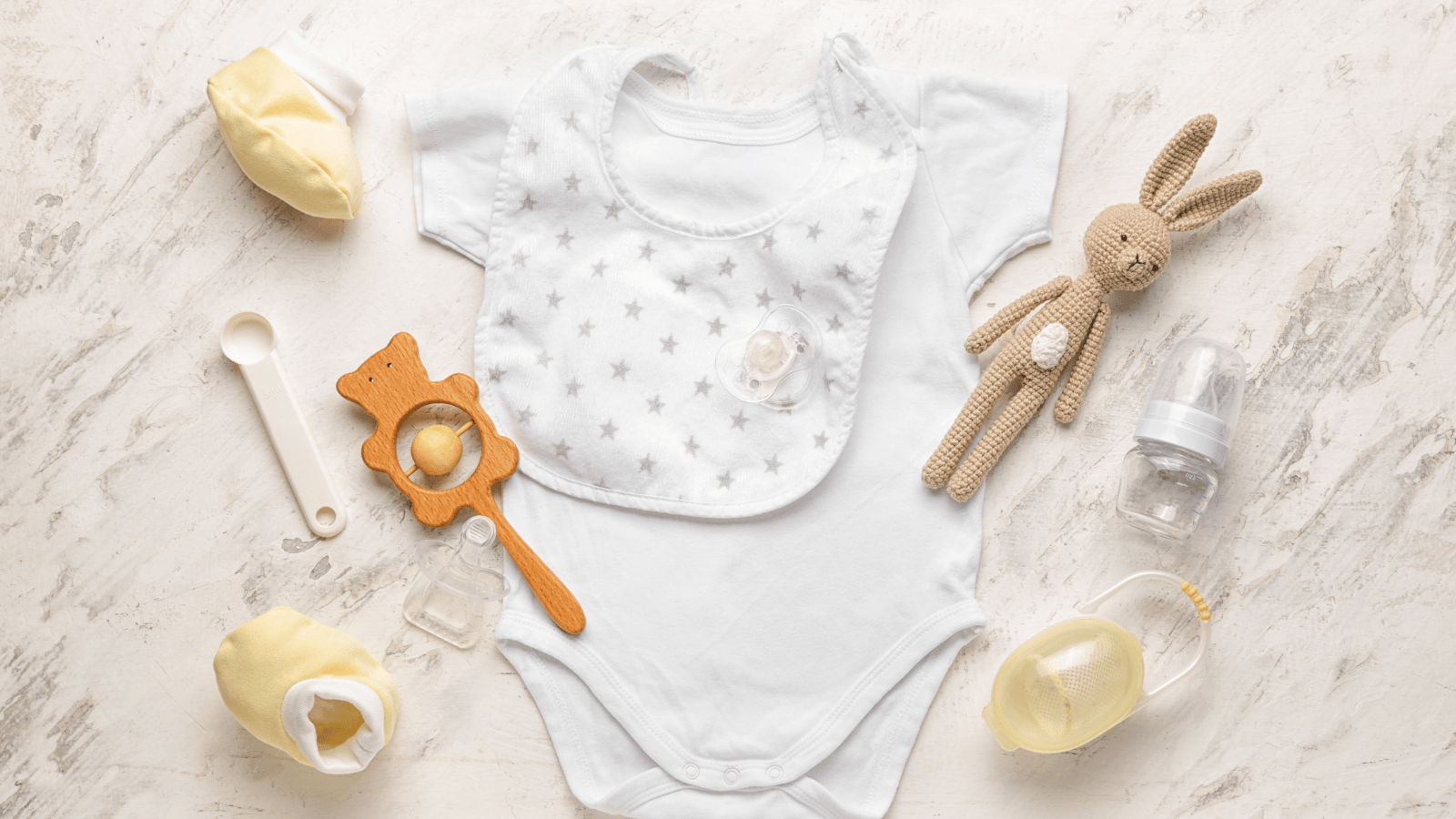
Why Choosing a Sustainable Clothing Manufacturer Is Important
In today's market, consumers are no longer satisfied with merely fashionable garments; they demand products that are responsibly made and safe for the most vulnerable users-babies and families. Partnering with a sustainable clothing manufacturer not only meets this growing expectation but also brings tangible environmental, economic, and brand‑building benefits.
1. Growing Market Demand
The global sustainable fashion market is expanding rapidly. From 2022 to 2026 its value is projected to rise from US $10.28 billion to US $15.69 billion, with an average annual growth rate of about 10%. In Asia-Pacific alone, sustainable clothing accounts for 23% of the worldwide revenue and is expected to grow at a 5.6% CAGR through 2031. Such momentum reflects a clear shift in consumer purchasing power toward greener options.
2. Environmental Impact
The apparel industry contributes roughly 10% of global greenhouse-gas emissions and sees 60% of garments ending up in landfills within a year. By selecting a sustainable clothing manufacturer, brands can dramatically cut carbon footprints through low-impact dyes, recycled fibers, and closed-loop production processes. This not only aligns with international climate goals but also reduces waste-disposal costs.
3. Health & Safety for Babies
Infants have delicate skin that is highly sensitive to chemical residues. Sustainable clothe production emphasizes organic cotton, GOTS-certified fibers, and non-toxic finishes, minimizing exposure to harmful substances such as formaldehyde or azo dyes. Parents increasingly prioritize these safety standards, making sustainability a decisive factor in purchase decisions.
4. Brand Trust & Competitive Edge
Searches for “sustainable fashion” have tripled from 2016 to 2019, indicating rising consumer awareness. Brands that choose sustainable clothing manufacturer can leverage this trend to build credibility, differentiate from fast-fashion rivals and command premium pricing. Transparent supply-chain reporting further strengthens trust among eco-conscious shoppers.

5. Long-Term Cost Efficiency
Although initial material costs may be higher, sustainable manufacturing reduces long-term expenses through lower energy consumption, waste minimization, and longer product lifespans. A study on slow-fashion businesses shows that durability and versatility directly boost product utility, translating into higher customer lifetime value.
6. Regulatory Compliance
Governments worldwide are tightening regulations on textile waste and chemical usage. Partnering with a sustainable clothing manufacturer ensures compliance with emerging standards, avoiding potential fines and supply-chain disruptions.

7. Supporting Innovation
Sustainable manufacturers invest heavily in R&D for bio-based fabrics, recycled polyester, and water-saving technologies. By collaborating with such partners, brands gain early access to cutting-edge materials that can set new market trends.
Conclusion
Choosing a sustainable clothing manufacturer is no longer a niche preference-it is a strategic imperative. It satisfies rising consumer demand for sustainable clothe, safeguards infant health, reduces environmental impact, and positions the brand for long-term growth. Companies that act now will reap the rewards of a greener, more resilient market.
A Comprehensive Guide to Sourcing Quality Baby Sleeping Bags: Key Considerations for Buyers
Comprehensive Fabric Testing Standards and Certifications for Premium Baby Clothing Manufacturing
Related Article